


Unlocking the Secret Power of Herbal Teas for Mental Well-Being: An Unexplored Path to Inner Peace

In the hustle and bustle of modern life, achieving a sense of tranquility can seem almost unattainable. Many people are burdened by stress and anxiety as they manage everyday pressures. Fortunately, nature offers solutions such as herbal teas. These teas not only provide warmth and solace but also have significant advantages for mental well-being. This blog delves into various herbal teas renowned for their soothing properties and how they can guide us toward a more serene state of mind.

The Therapeutic Tradition of Herbal Teas
For centuries, herbal teas have been integral to human culture, valued for their calming effects. From the traditions of ancient Egypt and China to the indigenous practices across different cultures, the use of herbs for relaxation has been widely accepted. These brews are abundant in essential oils and antioxidants, vital components that support mental well-being.
Recent research backs these traditional practices. Studies suggest that certain herbal teas can influence brain neurotransmitters, resulting in decreased anxiety. For instance, research conducted by the University of Vienna demonstrated that participants showed a notable reduction in anxiety levels after drinking chamomile tea.
Common Herbal Teas for Mental Health

Chamomile is likely the most famous herbal tea for calming the mind. This floral brew not only provides comfort but also actively combats anxiety. Chamomile contains apigenin, a potent antioxidant that attaches to brain receptors, encouraging relaxation and improving sleep quality. In fact, research published in the Journal of Clinical Psychopharmacology showed that participants who consumed chamomile tea daily experienced a 28% decrease in anxiety symptoms over an eight-week period.
Many individuals discover that drinking chamomile tea before bed aids in a smooth transition to sleep. Consider brewing it in a comfortable environment, adding a bit of honey for mild sweetness, and savoring the calming scent.
Lavender Tea
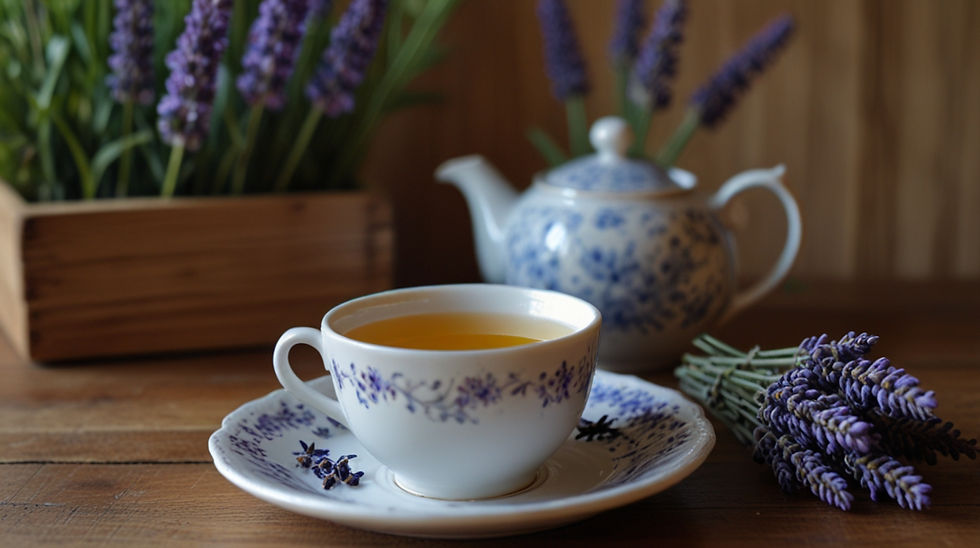
Lavender is renowned for its delightful scent, but it also performs remarkably well when made into tea. The calming properties of lavender can help relieve stress and enhance mood. According to studies by Harvard Health Publishing, inhaling the aroma of lavender can lower anxiety levels by approximately 30%.
Incorporating lavender tea into your daily routine can become a calming ritual. Try enjoying this tea after a challenging day, as its gentle sedative properties may help you attain deeper, more restful sleep.
Lemon Balm Tea

Lemon balm, belonging to the mint family, is also an outstanding option for alleviating anxiety. Studies show that lemon balm intake can decrease cortisol levels by as much as 40%, significantly easing stress. It is particularly beneficial as a mid-afternoon boost when energy levels decline.
Savoring lemon balm tea can uplift your mood with its invigorating flavor. You might add a slice of lemon for extra zest, creating a pleasant drink that encourages tranquility and concentration.
Peppermint Tea
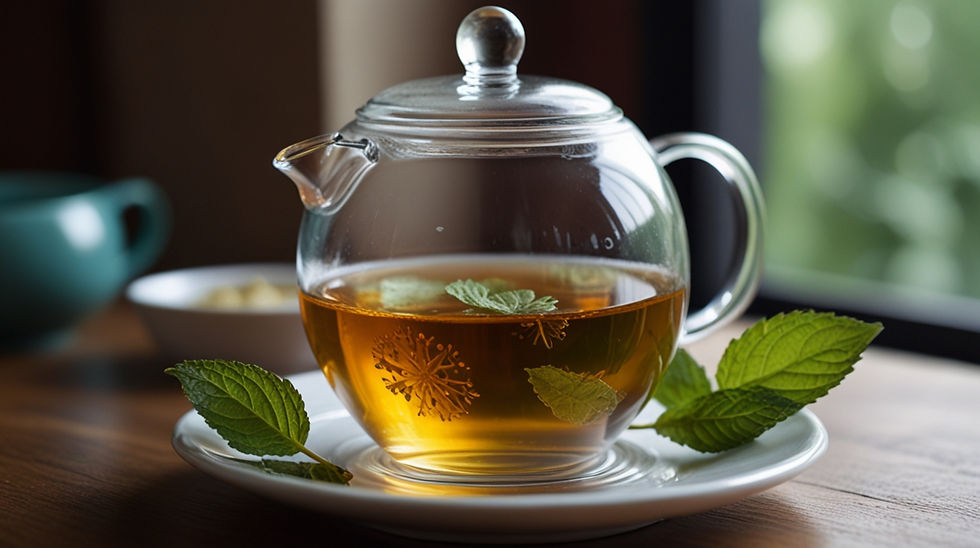
Peppermint tea is refreshing and soothing, providing relief from mental exhaustion. The scent of peppermint can elevate mood and improve mental sharpness. For example, a study in the International Journal of Neuroscience revealed that participants who drank peppermint experienced a 25% increase in focus after only one cup.
If you're feeling overwhelmed, peppermint tea can offer a quick refreshment. Brew a cup when your tasks seem daunting, and let its soothing effects provide a peaceful moment amidst the chaos.
How to Brew the Perfect Cup
Preparing herbal tea can be a delightful experience, and to fully appreciate its advantages, adhere to these key steps:
Choose Quality Herbs: Select organic, dried herbs for the best flavor and benefits.
Hot Water: Use freshly boiled water, allowing it to cool slightly to about 190°F (88°C), as too-hot water can diminish the tea's qualities.
Tea Amount: A good rule of thumb is one teaspoon of dried herbs per cup. Adjust to your taste for stronger flavors.
Steep Time: Steeping for 5-10 minutes will enhance both flavor and benefits. The longer it steeps, the more potent it becomes.
Enjoy Mindfully: Take time to sip your tea. Focus on the aroma and flavor as you drink, as this can heighten your relaxation experience.

The Connection between Herbal Teas and Mindfulness
Adding herbal teas to your daily routine can turn an ordinary drink into a mindful experience. Setting aside time to savor your tea can foster tranquility, providing a refreshing break from the hustle and bustle of daily life.
Mindfulness promotes being present in the moment, and savoring tea offers an ideal chance to hone this ability. Dedicate some peaceful time with gentle lighting and a comfortable chair as you drink your tea and contemplate your day. Studies indicate that participating in mindfulness practices can greatly alleviate symptoms of anxiety and depression.
Wrapping It Up
Herbal teas deliver more than just taste; they open the door to better mental wellness. Whether you prefer chamomile, lavender, lemon balm, or peppermint, there's a comforting herbal option that matches your tastes. Incorporating these relaxing teas into our daily lives helps us reduce stress and boost mental health.
Therefore, when the world's burdens seem overwhelming, prepare a cup of herbal tea. Let its warmth surround you, revealing nature's soothing secrets and leading you toward inner tranquility.


Comments