


Delicious Dosa Recipes: A Guide to Making Perfect Dosas

Updated: Feb 10
Explore the World of Dosas
Dosas are a beloved dish in Indian cuisine. They are thin, crispy pancakes made from a fermented rice-and-lentil batter. There are many variations of dosas, each with its unique flavor and texture. In this guide, we will explore different types of dosas, their ingredients, and how to prepare them. Whether you prefer a classic plain dosa or a creative chocolate dosa, there’s something for everyone.
1. Plain Dosa or Sada Dosa

Ingredients:
1 cup of urad dal
3 cups parboiled rice
½ tsp fenugreek seeds
Salt, water
Oil or ghee
Instructions
Begin by soaking the dal and fenugreek seeds separately in water. This soaking process is crucial as it softens the grains, making them easier to grind later. For optimal results, allow the dal and fenugreek seeds to soak for at least 4 to 6 hours. In a separate bowl, soak the rice for 6 hours. The soaking time for rice is essential because it helps in achieving the right texture and consistency during grinding, which is vital for the final dish.
Once the soaking period is complete, drain the water from both the dal and fenugreek seeds. Using a wet stone grinder or a high-speed blender, grind the soaked dal and fenugreek seeds together until they form a smooth and creamy paste. The consistency should be similar to that of a thick pancake batter. In another container, grind the soaked rice until it reaches a similar smoothness. It’s important to ensure that both batters are well blended, as this will affect the texture of the final dish.
After you have successfully ground both the dal and rice into smooth pastes, combine the two batters in a large mixing bowl. Gently fold them together to ensure they are well integrated. At this stage, add salt to taste, which not only enhances the flavor but also aids in the fermentation process. Cover the bowl with a clean kitchen towel or plastic wrap and let it ferment overnight in a warm place. This fermentation period is key, as it allows the batter to develop a pleasant tangy flavor and improves the overall texture, making it light and airy when cooked.
On the following day, once the batter has fermented and has increased in volume, it’s time to cook. Heat a tawa (griddle) over medium heat until it is hot. To check if the tawa is ready, sprinkle a few drops of water on it; if they sizzle and evaporate quickly, it’s the right temperature. Pour a ladleful of the batter onto the center of the hot tawa and use the back of the ladle to spread it out in a circular motion, creating a thin, even layer. Drizzle a little oil around the edges and on top of the batter to enhance the crispiness and flavor.
Cook the batter until the edges start to lift and the bottom turns a beautiful golden brown color. This usually takes about 2 to 3 minutes. Once the underside is crispy and golden, carefully flip the dosa using a spatula and cook the other side for an additional minute or so. The goal is to achieve a perfectly crispy texture while ensuring the inside is cooked through. Once done, remove the dosa from the tawa and serve it hot with a side of sambar and a variety of chutneys, such as coconut chutney or tomato chutney. These accompaniments not only complement the dosa but also enhance the overall dining experience.
2. Masala Dosa
Ingredients:
1 cup of urad dal
3 cups parboiled rice
½ tsp fenugreek seeds
Salt, water
Oil or ghee
Instructions
Begin by soaking the dal and fenugreek seeds separately in water, allowing them to absorb moisture and swell. It is essential to soak them for a minimum of 6 hours to ensure they soften adequately, which will facilitate easier grinding. In a separate bowl, soak the rice alone for the same duration. This step is crucial as it helps in achieving the desired texture and consistency of the batter later on.
After soaking, drain the water from both the dal and fenugreek as well as the rice. Proceed to grind the dal and fenugreek together into a smooth paste, ensuring that there are no lumps. In a separate container, grind the soaked rice until it becomes a fine paste. Once both mixtures are prepared, combine them in a large mixing bowl. Add salt to taste, which not only enhances the flavor but also aids in the fermentation process. Cover the bowl with a clean cloth and let it ferment overnight in a warm place. This fermentation is vital as it develops the characteristic tangy flavor and airy texture of the dosa batter.
Once the fermentation process is complete, heat a tawa or a flat griddle over medium heat. Once hot, pour a ladleful of the fermented batter onto the center of the tawa. Using the back of the ladle, spread the batter in a circular motion to form a thin, even layer. Drizzle a small amount of oil around the edges and on top of the dosa to ensure it crisps up nicely. The oil not only adds flavor but also helps in achieving a golden-brown crust.
Cook the dosa until the underside turns a beautiful golden brown and crispy, which usually takes a few minutes. You can check the edges for crispness and lift a corner to ensure it is cooked through. Once done, carefully remove the dosa from the tawa and serve it hot with a side of steaming sambar and a variety of chutneys, such as coconut or tomato chutney, to complement the flavors. The combination of the crispy dosa with the rich sambar and tangy chutneys creates a delightful meal experience.
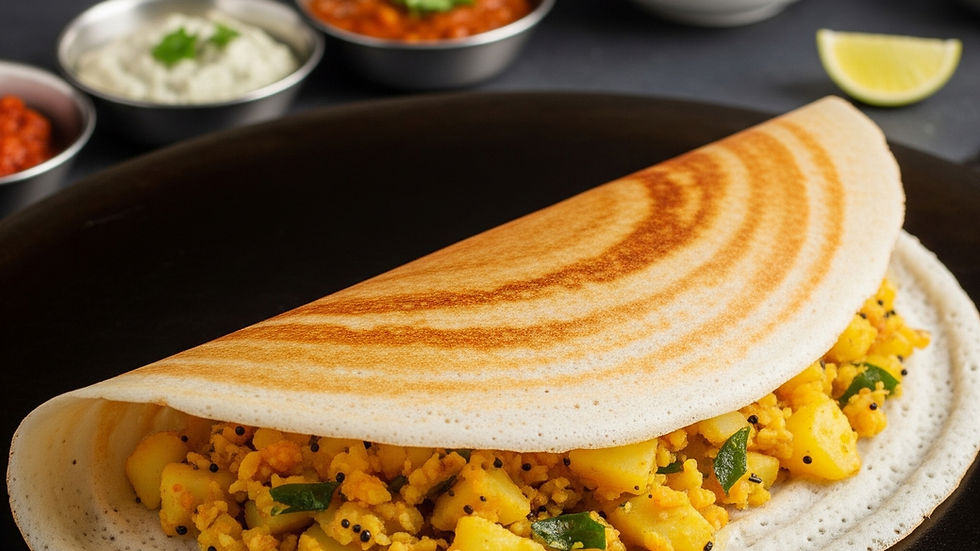
Masala Filling:
3 boiled potatoes, peeled and mashed until smooth, serve as the base for the filling, providing a creamy texture.
1 finely chopped onion, along with 1 green chili for heat, and a handful of fresh curry leaves, which add an aromatic flavor to the filling.
1 tsp mustard seeds for a crunchy texture and nutty flavor, and 1 tsp urad dal, which adds protein and enhances the overall taste.
½ tsp turmeric for its vibrant color and earthy flavor, along with salt to taste, and a dash of oil for sautéing the ingredients.
Procedure:
In a heated pan, add a splash of oil and let it warm up. Once hot, toss in the mustard seeds and allow them to crackle, releasing their aromatic oils. Next, add the urad dal, stirring until it turns golden brown. Then, add the chopped curry leaves, onions, and green chilies. Sauté the mixture until the onions become translucent and fragrant, which should take about 3-4 minutes.
Once the onions are cooked, sprinkle in the turmeric and add the mashed potatoes along with salt. Mix everything thoroughly, ensuring that the spices are evenly distributed throughout the potato mixture. Cook this filling for an additional 5-7 minutes, allowing the flavors to meld together beautifully and the filling to heat through.
After preparing the masala filling, take a cooked dosa and spread a generous portion of the potato mixture over one half of the dosa. Carefully fold the other half over the filling to create a semi-circle. Serve the stuffed dosa hot, garnished with fresh coriander if desired, and enjoy it with a side of sambar and chutneys for an authentic South Indian culinary experience.
3. Ragi Dosa

Ingredients:
1 cup ragi flour
½ cup rice flour
¼ cup curd
1 onion, green chili, curry/coriander leaves
Salt, water
Instructions
To begin preparing this delicious and nutritious dish, gather the following ingredients: 1 cup of ragi flour, which is known for its high nutritional value and is a rich source of calcium and iron; ½ cup of rice flour, which adds a delightful crispiness to the dish; ¼ cup of curd, which provides a slight tanginess and helps in fermentation; 1 finely chopped onion, which adds sweetness and flavor; a green chili, finely chopped, for a hint of spice; fresh curry leaves or coriander leaves, which enhance the aroma and taste; salt to taste; and water to achieve the desired consistency. In a large mixing bowl, combine all these ingredients thoroughly to create a smooth and thin batter, ensuring there are no lumps. After mixing, it's important to let the batter rest for about 15 minutes. This resting period allows the flours to hydrate fully and helps in developing the flavors, resulting in a more cohesive batter.
Once the batter has rested, heat a non-stick or cast-iron pan over medium heat. Lightly grease the surface with a few drops of oil to prevent sticking. When the pan is adequately heated, pour a ladleful of the prepared batter onto the pan, spreading it out gently in a circular motion, similar to how one would pour a rava dosa. Aim for a thin layer to ensure that the dosa becomes crisp and golden brown. Allow it to cook undisturbed for a few minutes until the edges start to lift and the surface appears set. At this stage, you can drizzle a little oil around the edges to enhance the crispiness. Cook until the dosa turns a beautiful golden color and becomes crisp to the touch. Carefully flip it over and cook for an additional minute if you prefer both sides to be evenly cooked. Once done, remove the dosa from the pan and serve it hot, ideally with a side of chutney or sambar for a complete meal experience.
4. Cheese Dosa

Ingredients:
1 cup of urad dal
3 cups parboiled rice
½ tsp fenugreek seeds
Salt, water
Oil or ghee
Instructions
To begin the preparation of this delightful dish, soak the dal and fenugreek seeds separately in water. It is important to ensure that they are submerged completely, allowing them to absorb moisture and soften. Additionally, soak the rice alone for a duration of 6 hours. This soaking process is crucial as it helps in the hydration of the grains and legumes, which will ultimately lead to a smoother batter and a fluffier texture in the final dish.
After the soaking period is complete, drain the dal and fenugreek seeds, and grind them together into a smooth and consistent paste. The texture should be creamy, without any lumps, as this will ensure that the dosa turns out perfectly. Next, combine this mixture with the soaked rice and grind it again until everything is well incorporated and the mixture is homogenous. Once you achieve the desired consistency, add salt to taste, which not only enhances the flavor but also aids in the fermentation process. Transfer the batter to a large bowl and cover it to allow it to ferment overnight at room temperature. This fermentation step is essential as it develops the characteristic tangy flavor and improves the texture of the dosa.
When you are ready to cook, preheat a tawa (a flat griddle) over medium heat. Once hot, pour a ladleful of the fermented batter onto the tawa and quickly spread it out in a circular motion to form a thin layer. The thickness of the dosa can be adjusted according to personal preference, but a thinner dosa typically becomes crispier. Drizzle a little oil around the edges and on top of the dosa, which will help it to crisp up nicely while cooking. You can use ghee for a richer flavor or any cooking oil of your choice.
Allow the dosa to cook for a few minutes until the bottom side turns golden brown and crispy. You can check the doneness by lifting the edges with a spatula. Once it is cooked to your liking, carefully flip the dosa to cook the other side for a minute or so if desired. Serve the dosa hot and crispy with a side of sambar, a flavorful lentil-based vegetable stew, and an assortment of chutneys, which can include coconut chutney, tomato chutney, or mint chutney, adding a burst of flavor to each bite.
Additional Ingredients:
For those who want to enhance their dosa experience further, consider adding grated cheese, such as processed cheese or mozzarella, which melts beautifully and adds a creamy texture and rich flavor to the dish.
To elevate the taste profile even more, you may also sprinkle some chili flakes or fresh herbs like coriander or parsley on top. These optional ingredients can provide an extra kick of spice or freshness, making the dish more appealing and personalized to your taste preferences.
Procedure:
Once the tawa is heated and ready, pour a generous amount of dosa batter onto it, ensuring an even spread. At this point, you can add a handful of grated cheese on top of the batter. The cheese will begin to melt as the dosa cooks, creating a deliciously gooey and cheesy layer.
After allowing the cheese to melt thoroughly, gently fold the dosa in half, encasing the melted cheese inside. This step not only adds flavor but also makes for a delightful presentation. Serve the cheesy dosa immediately while it is hot, paired with sambar and your choice of chutneys for a complete meal that is both satisfying and flavorful.
5. Oats Dosa

Ingredients:
1 cup oats (made into fine powder)
¼ cup rice flour
½ cup curd
Onion, green chili, coriander, cumin, salt
Water
Instructions
1 cup oats (made into fine powder) - Oats are a versatile and nutritious ingredient, renowned for their health benefits. When ground into a fine powder, they can serve as a fantastic base for various dishes, providing a rich source of dietary fiber, vitamins, and minerals. The fine texture allows for better incorporation into batters, making it an excellent choice for creating a smooth consistency in your recipes.
¼ cup rice flour - Rice flour is a staple in many cuisines, particularly in Asian cooking. It adds a unique texture and lightness to the batter, which is essential for achieving the desired crispiness in the final dish. Additionally, rice flour is gluten-free, making it an excellent alternative for those with gluten sensitivities or celiac disease.
½ cup curd - Curd, or yogurt, contributes a creamy richness to the batter, enhancing its flavor profile. It also acts as a leavening agent, helping the batter to rise slightly and become fluffier when cooked. The probiotics found in curd offer digestive benefits, making this ingredient not only delicious but also beneficial for gut health.
Onion, green chili, coriander, cumin, salt - These spices and vegetables are crucial for adding depth and complexity to the dish. Onions bring sweetness and moisture, while green chilies introduce a spicy kick that can be adjusted to taste. Fresh coriander adds a refreshing herbal note, and cumin offers a warm, earthy flavor that complements the other ingredients. Salt is essential for enhancing the overall taste, balancing the flavors, and bringing the dish to life.
Water - Water is necessary to achieve the right consistency for the batter. The amount of water can be adjusted depending on the desired thickness; a thinner batter will yield a crispier dosa, while a thicker batter may result in a softer texture. It’s important to add water gradually to ensure the batter remains smooth and lump-free.
Procedure:
Mix all ingredients to form a thin batter. Let it rest for 15 minutes. This resting period is crucial as it allows the oats and rice flour to absorb moisture, resulting in a smoother and more cohesive batter. During this time, the flavors meld together, enhancing the overall taste of the dish.
Pour like rava dosa. Cook both sides until golden brown. When pouring the batter onto the hot cooking surface, aim for a thin, even layer to achieve that signature crispy texture. Cooking until both sides are golden brown not only ensures that the dosa is fully cooked but also adds a delightful crunch. You may want to drizzle a little oil around the edges while cooking to enhance the crispiness and flavor.
6. Set Dosa

Ingredients:
1 cup urad dal
3 cups idli rice
¼ cup poha
Salt, to taste
Water, as needed for soaking and grinding
Instructions
Begin by soaking all the ingredients together. In a large bowl, combine the urad dal and idli rice, ensuring that they are well mixed. Add the poha to the mixture, which will help in achieving a softer texture in the final batter. Pour in enough water to cover the ingredients completely, as they will expand during soaking. Allow this mixture to soak for a minimum of 6 to 8 hours, or preferably overnight. This soaking process is crucial, as it helps in softening the dal and rice, making them easier to grind and essential for the fermentation process that follows.
After the soaking period, drain the water from the mixture. Transfer the soaked urad dal, idli rice, and poha into a blender or wet grinder. Add a little fresh water as needed to facilitate the grinding process. Grind the mixture to a smooth and thick batter, ensuring that it has a consistency similar to that of pancake batter. The grinding process is vital; it incorporates air into the batter, which is necessary for fermentation. Once ground, transfer the batter to a large container, leaving some space for it to expand as it ferments.
Cover the container with a lid or a clean cloth and place it in a warm area of your kitchen. Allow the batter to ferment for about 12 to 24 hours, depending on the ambient temperature. You will know the batter is ready when it has risen and is bubbly on the surface. The fermentation not only enhances the flavor but also increases the nutritional value of the dish.
Once the batter has fermented, gently stir it and add salt to taste. The amount of salt can vary based on personal preference. Heat a non-stick tawa or skillet over medium heat. Once hot, pour a ladleful of the thick dosa batter onto the tawa, spreading it out in a circular motion to form a thick pancake. Cover the dosa with a lid and let it cook for a few minutes until the edges begin to lift and the surface appears cooked. This steaming process helps in making the dosa fluffy and soft.
When the dosa is cooked through and fluffy, carefully remove the lid and check the underside. It should have a light golden-brown color. Gently lift the dosa with a spatula and serve it hot, accompanied by your choice of chutney or sambar. The combination of the spongy dosa with the tangy or spicy accompaniments creates a delightful meal that is both satisfying and nourishing.
7. Moong Dal Dosa (Pesarattu)
Ingredients:
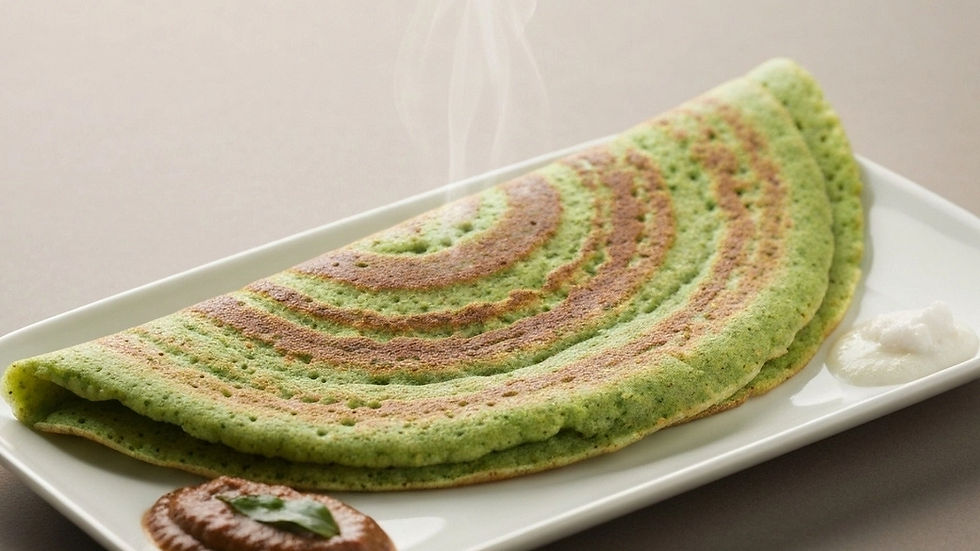
1 cup green moong
2 tbsp rice
Ginger, green chili, cumin, salt
Instructions
1 cup green moong: The primary ingredient, green moong, also known as mung beans, is a rich source of protein, fiber, and essential vitamins. These small, green legumes are not only nutritious but also versatile, making them a popular choice in various cuisines around the world. They are particularly known for their ability to aid digestion and promote heart health.
2 tbsp rice: The addition of rice serves as a binding agent in this recipe, helping to create a cohesive batter. Rice is a staple grain that provides carbohydrates for energy. Using a small quantity of rice enhances the texture of the dish, contributing to a delightful crispiness when cooked. You can use any variety of rice, but basmati or jasmine rice can add a subtle aroma and flavor.
Ginger, green chili, cumin, salt: These ingredients are essential for flavor enhancement. Fresh ginger adds a warm, spicy note, while green chili introduces a kick of heat that can be adjusted according to personal preference. Cumin brings a nutty, earthy flavor that complements the other ingredients beautifully. Salt is crucial for balancing the flavors, ensuring that the dish is well-seasoned and delicious. Together, these spices create a fragrant and flavorful batter that elevates the overall taste of the dish.
Method:
Soak and grind all ingredients into a smooth batter.
Begin by thoroughly rinsing the green moong and rice under cold water to remove any impurities. Once cleaned, soak the moong and rice in water for at least 4 to 6 hours or overnight, which helps soften the legumes and grains, making them easier to grind. After soaking, drain the water and transfer the moong and rice to a blender. Add a small amount of fresh water as needed to achieve a smooth, pourable batter. The consistency should be similar to that of pancake batter, allowing it to spread easily on the cooking surface. Incorporate the ginger, green chili, cumin, and salt into the mixture, blending them until they are well combined. This step is crucial as it ensures that the flavors are evenly distributed throughout the batter.
Pour on the tawa, top with onions, and cook both sides until crispy.
Heat a tawa or a non-stick skillet over medium heat and lightly grease it with oil or ghee to prevent sticking. Once the tawa is hot, pour a ladleful of the prepared batter onto the surface, spreading it evenly into a round shape. The thickness can be adjusted based on preference, but a medium thickness is recommended for achieving a crispy exterior while ensuring the inside is cooked through. Immediately sprinkle finely chopped onions on top of the batter. The onions will caramelize during cooking, adding a sweet and savory flavor to the dish. Cook for several minutes until the edges begin to lift and the bottom is golden brown. Carefully flip the batter over using a spatula, allowing the other side to cook until it reaches a similar crispiness. The cooking time may vary, so keep an eye on it to prevent burning. Once both sides are beautifully browned and crispy, remove the dish from the tawa and serve hot, ideally accompanied by chutney or yogurt for dipping.
This method not only showcases the vibrant flavors and textures of the ingredients but also highlights the traditional cooking techniques that bring this dish to life.
8. Multigrain Dosa

Ingredients:
¼ cup each of urad dal, rice, chana dal, moong dal, and millets
2 tbsp oats, fenugreek
Salt
Instructions
Begin by gathering all the necessary ingredients for the dosa batter, which typically includes rice, urad dal (black gram), and possibly other legumes or grains depending on the desired flavor and texture. Rinse these ingredients thoroughly under cold water to remove any impurities and excess starch. Once clean, combine them in a large bowl, ensuring that the proportions are correct for the best fermentation and flavor development. After combining, fill the bowl with enough water to submerge the ingredients completely. Allow them to soak for a minimum of 6 to 8 hours, or ideally overnight. This soaking process is crucial as it softens the grains and legumes, making them easier to grind and aiding in the fermentation process that will follow.
After the soaking period, drain the water and transfer the soaked ingredients to a high-powered blender or wet grinder. Add a little fresh water if necessary to facilitate the grinding process. Blend or grind the mixture until you achieve a smooth, thick batter, ensuring that there are no large chunks remaining. The consistency should be similar to that of pancake batter. Once the batter is ready, transfer it to a large, clean bowl. Cover the bowl with a cloth or lid to keep it warm and allow it to ferment at room temperature overnight. During this fermentation period, the batter will rise and develop a slightly tangy flavor, which is characteristic of traditional dosa.
Once the batter has fermented sufficiently, it’s time to prepare the dosa. Heat a non-stick skillet or a cast-iron griddle over medium heat. To ensure that the dosa does not stick, lightly grease the surface with a few drops of oil or ghee. Once the surface is hot, pour a ladleful of the fermented batter onto the center of the skillet. Using the back of the ladle, spread the batter in a circular motion to form a slightly thick dosa, making sure it is evenly spread out. The thickness can be adjusted based on personal preference, but a slightly thick dosa often has a better texture and flavor.
Cook the dosa for a few minutes until the edges begin to lift and the surface appears cooked and slightly golden brown. At this point, you can drizzle a little oil around the edges to enhance crispiness and flavor. Once the bottom is cooked to your liking, carefully flip the dosa to cook the other side for an additional minute or so. After both sides are cooked, remove the dosa from the skillet and serve it hot. Pair it with a variety of chutneys, such as coconut, tomato, or mint, to complement the dosa’s flavor. This combination not only enhances the overall taste but also adds nutritional value, making for a wholesome meal.
9. Rava Dosa

Ingredients:
1 cup semolina
¼ cup rice flour
¼ cup all-purpose flour
Onion, green chili, curry leaves, cumin
Salt, water
Instructions
Begin by preparing a watery batter, which is essential for achieving the desired texture in your dish. To create this batter, combine your choice of flour—such as rice flour, chickpea flour, or a mixture—with enough water to achieve a thin, pourable consistency. The exact ratio may vary depending on the type of flour used, but aim for a consistency similar to that of heavy cream. Once mixed, allow the batter to rest for at least 10 minutes. This resting period is crucial as it allows the flour to hydrate fully, resulting in a smoother batter and enhancing the overall flavor and texture of the final product.
After the resting period, prepare to cook the batter. Heat a tawa or a flat skillet over medium heat until it is hot. To achieve the best results, pour the batter from a height of about 12 to 18 inches above the cooking surface. This technique helps to spread the batter evenly and creates a more delicate, lacy texture. As the batter makes contact with the hot tawa, it will begin to sizzle. Allow it to fry undisturbed until the edges turn golden brown and crisp, which usually takes a few minutes. The key is to ensure that the underside is well-cooked and crispy before attempting to flip or remove it. The final product should have a delightful crunch, with a soft interior that complements the crispiness.
10. Chocolate Dosa

Ingredients:
1 cup of urad dal
3 cups parboiled rice
½ tsp fenugreek seeds
Salt, water
Oil or ghee
Instructions
Begin by soaking the dal and fenugreek seeds separately in water, allowing them to absorb moisture and swell. This soaking process should last for approximately 6 hours, which is crucial for achieving the right texture and flavor. Simultaneously, soak the rice alone in a separate bowl for the same duration. The soaking not only softens the grains but also activates enzymes that aid in fermentation, enhancing the overall taste of the dosa batter.
After the soaking period, drain the water from both the dal and fenugreek as well as the rice. Using a high-quality grinder, grind the dal and fenugreek mixture into a smooth, creamy paste. This step is vital as it contributes to the light and airy texture of the dosa. Next, grind the soaked rice until it reaches a slightly coarse consistency. Once both mixtures are ready, combine them in a large mixing bowl. Add salt to taste, which not only enhances the flavor but also plays a role in the fermentation process. Cover the bowl with a clean cloth and allow it to ferment overnight at room temperature. This fermentation will develop a tangy flavor and create the characteristic sourness associated with traditional dosas.
On the following day, check the batter; it should have risen and have a bubbly surface, indicating successful fermentation. Preheat a tawa (a flat skillet) over medium heat. Once hot, pour a ladleful of the fermented batter onto the center of the tawa and quickly spread it in a circular motion to form a thin dosa. The thickness should be uniform to ensure even cooking. Drizzle a little oil around the edges and on top of the dosa to enhance its crispiness and flavor. Allow it to cook until the edges turn golden brown and crisp, then flip it to cook the other side briefly. Repeat this process for the remaining batter, adjusting the heat as necessary to prevent burning.
Toppings:
For a delightful twist, consider using a chocolate spread or finely grated chocolate as a topping. The rich, creamy texture of chocolate complements the savory base of the dosa beautifully, creating a harmonious blend of flavors.
Optional toppings include fresh banana slices and a variety of nuts such as almonds or walnuts. The bananas add natural sweetness and a soft texture, while the nuts provide a satisfying crunch, enhancing the overall sensory experience of the dessert dosa.
Method:
To assemble, take the freshly prepared thin dosa and spread a generous layer of chocolate spread evenly across the surface. The warmth of the dosa will slightly melt the chocolate, making it easier to spread and more delicious.
Carefully fold the dosa in half or roll it up, depending on your preference. Serve it warm as a delightful dessert dosa, perfect for satisfying sweet cravings. This innovative take on the traditional dosa showcases its versatility, allowing it to transition from a savory dish to a sweet treat with ease.
Dosas are indeed versatile and can be enjoyed at any time of the day, whether for breakfast, lunch, dinner, or even as a snack. From savory to sweet, there’s a dosa for every palate and occasion. Experiment with these recipes and toppings to discover your favorite combinations, and enjoy the delightful fusion of flavors that dosas have to offer!


Comments