


“Festive Flavors of Christmas: Celebratory Dishes for the Perfect Holiday”

1. Christmas Cookie Cheesecake (Holiday Dessert Showstopper)
Serves:10–12
Prep Time:30 minutes
Chill Time:4 hours (or overnight)
Bake Time:1 hour 5 minutes
Total Time: Approximately 5½–6 hours

Ingredients
Cookie Crust
2½ cups crushed Christmas cookies(gingerbread, sugar cookies, or chocolate cookies)
½ cup unsalted butter, melted
2 tbsp brown sugar
Cheesecake Filling
24 oz (680 g) cream cheese, softened
1 cup granulated sugar
3 large eggs, room temperature
¾ cup sour cream
1 tsp vanilla extract
½ tsp ground cinnamon
¼ tsp nutmeg
Pinch of salt
Cookie Mix-Ins
1 cup chopped holiday cookies
½ cup mini chocolate chips (optional)
Festive Toppings
Whipped cream
Mini cookies
Crushed candy canes
Sprinkles
Powdered sugar
Step-by-Step Instructions
Step 1: Prepare the Pan
Preheat your oven to 325°F (165°C). This temperature is crucial for ensuring that your dessert bakes evenly and thoroughly, allowing for a perfect texture that is neither too dry nor too moist. Make sure to allow the oven to reach the desired temperature before placing the pan inside, as this will help in achieving the best results.
Grease a 9-inch (23 cm) springform pan. Use a high-quality non-stick cooking spray or a thin layer of butter to coat the sides and bottom of the pan. This step is essential to prevent the crust from sticking to the pan after baking, which can be a common issue with desserts that have a delicate texture. Ensure that the grease is evenly distributed for optimal results.
Wrap the outside of the pan with foil (for water bath). This technique is often used in baking cheesecakes and similar desserts to create a moist environment, which helps prevent cracking on the surface. Use heavy-duty aluminum foil to wrap the pan securely, making sure to cover the bottom and sides completely. This will also help to keep water from seeping into the pan during the baking process, ensuring that your dessert maintains its intended flavor and texture.
Step 2: Make the Cookie Crust
Mix crushed cookies, melted butter, and brown sugar. Choose your favorite type of cookie; options like graham crackers, Oreos, or gingersnaps can all work beautifully. In a mixing bowl, combine the crushed cookies with the melted butter, which acts as a binding agent, and the brown sugar, which adds a rich sweetness and depth of flavor. Stir the mixture until it is well combined and has a texture similar to wet sand, ensuring that all crumbs are coated in butter.
Press firmly into the bottom of the pan. Using your fingers or the back of a measuring cup, evenly distribute the cookie mixture across the bottom of the springform pan. It’s important to press down firmly to create a solid base that will hold together once baked. Aim for an even thickness throughout to ensure that the crust bakes uniformly. You can also slightly press the mixture up the sides of the pan if you prefer a thicker crust.
Bake the crust for 10 minutes. This initial baking step helps to set the crust and gives it a chance to develop a slightly crispy texture, which will contrast nicely with the creamy filling that you will add later. Keep an eye on the crust to ensure it doesn’t overbake; it should be just lightly golden when you remove it from the oven.
Remove and cool slightly. After baking, take the pan out of the oven and allow the crust to cool for a few minutes at room temperature. This cooling period is important as it helps the crust to firm up further, making it easier to pour in the filling without disturbing the crust. Once it has cooled slightly, you can proceed with your recipe, adding the filling of your choice.
Step 3: Prepare Cheesecake Filling
Begin by taking your cream cheese out of the refrigerator and allowing it to sit at room temperature for about 30 minutes. This will help it soften and make it easier to beat. Using an electric mixer, beat the cream cheese on medium speed until it reaches a velvety smooth consistency, ensuring there are no lumps remaining. This step is crucial as a smooth base is essential for a creamy cheesecake.
Once the cream cheese is perfectly smooth, gradually add in the granulated sugar. Continue to beat the mixture until it becomes creamy and well combined. This process not only sweetens the cheesecake but also contributes to its overall texture. Make sure to scrape down the sides of the mixing bowl occasionally to ensure that all ingredients are evenly incorporated.
Next, introduce the eggs into the mixture, adding one egg at a time. It is important to mix gently after each addition until just incorporated. This method helps to maintain the airiness of the batter while preventing it from becoming too dense. Overmixing at this stage can lead to cracks in the cheesecake once it bakes, so be careful to mix only until you no longer see any streaks of egg.
After the eggs are well incorporated, it’s time to enhance the flavor of your cheesecake. Mix in the sour cream, which adds a delightful tanginess, along with vanilla extract for a rich aroma. If you are using any additional spices such as cinnamon or nutmeg, or even a pinch of salt to balance the sweetness, add them at this stage. Be mindful to mix these ingredients gently; overmixing can introduce excess air into the batter, which might cause the cheesecake to puff up and crack during baking. Aim for a smooth and cohesive mixture without overdoing it.
Step 4: Add Cookie Pieces
With your cheesecake filling now prepared, it’s time to add a delightful twist by folding in the chopped cookies and chocolate chips. Using a spatula, gently fold the pieces into the batter, ensuring that they are evenly distributed without overmixing. The folding technique allows for a more delicate incorporation of the cookie pieces, preserving their texture and preventing them from breaking down too much. This step not only adds flavor but also creates a delightful contrast in texture, providing little bursts of cookie goodness throughout the creamy cheesecake.
Step 5: Assemble Cheesecake
Begin by carefully pouring the creamy cheesecake filling over the prepared crust, ensuring that it is evenly distributed. It is important to pour slowly and steadily to avoid disturbing the crust that has been meticulously pressed into the pan. This filling, rich and velvety, should cover the crust completely, reaching the edges to create a seamless transition between the crust and the filling.
Once the filling has been poured, take a spatula and gently smooth the top of the cheesecake mixture. Start from the center and work your way outward, using long, sweeping motions to eliminate any air bubbles that may have formed during the pouring process. This step is crucial not only for aesthetics but also for ensuring that the cheesecake bakes evenly. A well-smoothed surface will help in achieving a beautiful, professional-looking dessert once it’s baked and cooled.
Step 6: Water Bath Setup
To create a water bath, carefully place the cheesecake pan inside a larger roasting pan. This method is essential as it helps maintain a consistent temperature around the cheesecake while it bakes. The water bath provides gentle, moist heat, which is crucial for a smooth and creamy texture, preventing the cheesecake from becoming dry or overcooked.
Next, pour hot water into the roasting pan, filling it until it reaches halfway up the sides of the cheesecake pan. This step is vital as it creates a steamy environment that helps to regulate the baking temperature. The steam prevents the top of the cheesecake from cracking, allowing for a perfectly smooth surface. Ensure that the water is hot but not boiling, as this can cause splattering and uneven cooking.
(Prevents cracking)
Step 7: Bake the Cheesecake
Place the assembled cheesecake in the preheated oven and bake it for a duration of 55–65 minutes. During this time, the cheesecake will begin to set, and you may notice the edges firming up while the center remains slightly soft. It is important to keep an eye on the cheesecake to prevent overbaking, which can lead to undesirable texture changes.
As the baking time approaches its end, check the cheesecake for doneness. The center should exhibit a slight jiggle when gently shaken, indicating that it is still creamy and not overcooked. This jiggle is a sign that the cheesecake will set perfectly as it cools, so resist the temptation to bake it until completely firm.
Once the baking time is complete, turn off the oven, but do not immediately remove the cheesecake. Instead, crack the oven door open slightly. This gradual cooling process helps prevent sudden temperature changes that can cause the cheesecake to crack. Allow the cheesecake to remain in the oven in this manner for about 1 hour, which will help it set properly while cooling down slowly.
Step 8: Chill
Once the cheesecake has finished baking in the water bath, it is essential to remove it carefully from the oven. Use oven mitts to grasp the sides of the pan, ensuring that you do not accidentally touch any hot surfaces. Gently lift the cheesecake out of the water bath, allowing any excess water to drain away before placing it on a cooling rack. This step is crucial as it helps to prevent the cheesecake from becoming overly soggy or losing its firm texture.
After removing the cheesecake from the water bath, allow it to cool at room temperature for a period of about 30 minutes to an hour. This gradual cooling helps to stabilize the structure of the cheesecake, reducing the risk of cracking as it transitions from a hot to a cooler environment. During this time, it is a good idea to keep the cheesecake covered lightly with a clean kitchen towel or plastic wrap to protect it from contaminants and to avoid any dust settling on the surface.
Once the cheesecake has reached room temperature, it is time to refrigerate it. Place the cheesecake in the refrigerator and let it chill for a minimum of 4 to 6 hours. However, for the best results, consider leaving it overnight. This extended chilling period allows the flavors to meld beautifully and the texture to firm up, resulting in a creamier and more delicious cheesecake. When ready to serve, you will find that the cheesecake has set perfectly, making it easier to slice and serve.
Step 9: Decorate for Christmas
To begin the festive decoration of your cheesecake, take a piping bag filled with freshly whipped cream. Using a star or round piping tip, carefully pipe decorative swirls or rosettes around the edges of the cheesecake. This not only adds a beautiful visual appeal but also enhances the flavor with the rich, creamy texture of the whipped cream. Ensure that the piping is even and consistent, making your cheesecake look professionally crafted.
Next, it’s time to add a touch of whimsy and festive cheer by topping the cheesecake with mini cookies, crushed candy canes, and colorful sprinkles. Mini cookies can include gingerbread or sugar cookies, which complement the holiday theme perfectly. Crushed candy canes will add a delightful crunch and a minty flavor that pairs beautifully with the creamy cheesecake. Finally, sprinkle a generous amount of colorful sprinkles over the top to create a cheerful and vibrant look that is sure to delight guests and family alike.
To finish off the decoration, dust the top of the cheesecake lightly with powdered sugar. This not only adds a touch of sweetness but also creates a beautiful snowy effect that is reminiscent of a winter wonderland. Use a fine-mesh sieve to ensure an even and delicate dusting, enhancing the visual appeal without overwhelming the flavors of the cheesecake. Once decorated, your cheesecake will be a stunning centerpiece for any Christmas gathering, inviting everyone to indulge in its festive charm.
Step 10: Slice & Serve
To achieve clean and precise slices, it is highly recommended to use a warm knife. This technique is particularly effective for cutting through various types of cakes, desserts, or even savory dishes that may have a delicate texture. To warm the knife, you can run it under hot water for a few seconds, then dry it thoroughly with a clean towel before making your cuts. The warmth helps to gently melt through the layers, minimizing any tearing or crumbling that might occur with a cold knife. This method not only enhances the presentation of your dish but also ensures that each slice maintains its structural integrity, allowing for a more enjoyable eating experience.
Once you have successfully sliced the dish, it is essential to serve it chilled, especially if you are working with items such as cheesecakes, mousses, or certain types of pies. Serving these desserts at a lower temperature enhances their flavors and textures, making them more refreshing and enjoyable for your guests. To achieve the perfect chill, allow your dish to rest in the refrigerator for a few hours before serving. This step not only helps the flavors to meld and develop but also ensures that the dessert sets properly, providing a firm yet creamy consistency. When ready to serve, consider garnishing your dish with fresh fruits, a dusting of powdered sugar, or a drizzle of sauce to elevate its visual appeal and add an extra layer of flavor.
🎄 FESTIVE VARIATIONS
🍪 Gingerbread Cheesecake
Use gingerbread cookies in the crust and filling
🍫 Chocolate Peppermint Cheesecake
Add peppermint extract + crushed candy canes
🌱 Vegan Christmas Cookie Cheesecake
Use dairy-free cream cheese and egg substitute
2 . Classic Christmas Hot Cocoa
Serves:4
Prep Time:5 minutes
Chill Time: None
Bake Time:10 minutes (stovetop heating)
Total Time:15 minutes

Ingredients
Basic Hot Cocoa
2 cups whole milk (or plant-based milk for vegan option)
2 tbsp unsweetened cocoa powder
2 tbsp granulated sugar (adjust to taste)
¼ tsp vanilla extract
Pinch of salt
Optional Festive Add-Ons
Whipped cream
Mini marshmallows
Chocolate shavings
Cinnamon stick or ground cinnamon
Peppermint extract (½ tsp)
Drizzle of caramel or chocolate syrup
Step-by-Step Instructions
Step 1: Measure Ingredients
Begin by carefully measuring out 2 cups of milk into a small saucepan. It is essential to use a liquid measuring cup for accuracy, ensuring that the milk level reaches the 2-cup mark precisely. This step is crucial as the amount of milk will directly influence the creaminess and richness of your final drink.
While measuring the milk, take a moment to gather the other essential ingredients: cocoa powder and sugar. Ensure that you have them on hand and ready to use. For optimal flavor, consider using high-quality unsweetened cocoa powder, as this will enhance the depth of chocolate taste in your beverage. Additionally, you can choose the type of sugar you prefer—granulated, brown sugar, or even a natural sweetener—based on your taste preferences and dietary needs. Having these ingredients prepped will streamline the process and make it easier to focus on creating the perfect hot chocolate.
Step 2: Heat Milk
Once your ingredients are measured and ready, place the saucepan over medium heat on your stovetop. It is important to keep an eye on the heat level, as overheating can lead to scalding the milk, which will alter the flavor and texture of your hot chocolate. Using a medium setting allows for a gradual warming process, ensuring that the milk heats evenly.
As the milk begins to heat, stir it gently with a wooden spoon or a whisk. This not only helps distribute the heat evenly but also prevents a skin from forming on the surface. You should aim for the milk to become warm to the touch, which typically occurs just before it reaches a simmer. Remember, it is crucial to avoid boiling the milk, as boiling can cause it to froth excessively and may result in a burnt taste. Keeping the temperature controlled will ensure a smooth and velvety texture for your hot chocolate.
Step 3: Mix Cocoa & Sugar
In a small bowl, carefully measure out the cocoa powder, ensuring you use high-quality unsweetened cocoa for the best flavor. Add an appropriate amount of granulated sugar, adjusting the quantity based on your personal preference for sweetness. To enhance the overall taste and balance the bitterness of the cocoa, include a pinch of salt. This small addition is crucial, as it helps to elevate the chocolate flavor while also counteracting the sweetness of the sugar.
Next, pour in 2 to 3 tablespoons of warm milk. The warmth of the milk is essential, as it helps to dissolve the cocoa powder and sugar more effectively, preventing any lumps from forming in your mixture. Using a whisk, vigorously mix the ingredients until they form a smooth paste. The goal here is to ensure that the cocoa and sugar are fully integrated with the milk, creating a rich, velvety consistency that will serve as the base for your hot chocolate. Take your time with this step, as achieving the right texture is key to a delicious final product.
Step 4: Combine Cocoa Paste with Milk
Now that you have your smooth cocoa paste ready, it’s time to introduce it to the remaining warm milk. Gradually whisk the cocoa paste into the warm milk in a separate pot or saucepan. This gradual incorporation is important to ensure that the paste blends seamlessly with the milk, avoiding any clumps that could disrupt the creamy texture of your hot chocolate.
As you whisk, stir continuously to promote an even distribution of the cocoa mixture throughout the milk. This constant motion will help to create a uniform blend that is both smooth and inviting. Keep an eye on the mixture as you do this; you should notice it beginning to thicken slightly as the ingredients meld together. This transformation is a sign that your hot chocolate is on the right track towards becoming a rich, indulgent treat.
Once you have achieved a smooth and slightly thickened consistency, continue to heat the mixture over medium-low heat for about 3 to 5 minutes. It’s crucial to monitor the heat closely during this process to avoid bringing the mixture to a boil, as boiling can negatively affect the texture and flavor of your hot chocolate. Stir occasionally to prevent any sticking or burning at the bottom of the pot. The goal is to warm the mixture thoroughly while allowing the flavors to deepen, creating a comforting beverage that is perfect for sipping.
Step 5: Add Flavorings
Begin by stirring in a generous splash of vanilla extract. This classic flavoring enhances the richness of your hot cocoa, imparting a warm and inviting aroma that complements the chocolate beautifully. The vanilla extract not only adds depth to the flavor profile but also balances the sweetness, creating a more rounded and satisfying drink. It's advisable to use pure vanilla extract for the best results, as artificial vanilla can sometimes lack the complexity and authenticity of the real thing.
For those looking to elevate their hot cocoa experience, consider adding peppermint extract as an optional ingredient for a festive twist. Just a few drops can transform your drink into a delightful holiday treat, reminiscent of candy canes and winter celebrations. The refreshing mint flavor pairs wonderfully with the rich chocolate, creating a harmonious blend that is both invigorating and cozy. When using peppermint extract, be cautious with the quantity; a little goes a long way, and you want the mint to enhance rather than overpower the cocoa.
Step 6: Serve Hot
Once your hot cocoa is perfectly blended and flavored, it’s time to pour it into your favorite mugs. Choose mugs that not only hold the warmth of the cocoa but also reflect your personal style or the festive occasion. Pour the steaming beverage slowly, allowing the rich chocolate to fill the mug, creating an inviting visual appeal that will entice anyone nearby.
Next, elevate your hot cocoa by topping it with a generous dollop of whipped cream or a handful of fluffy marshmallows. The creamy texture of whipped cream adds an indulgent layer that melts into the hot cocoa, enriching every sip with velvety goodness. Alternatively, marshmallows provide a delightful chewiness and a nostalgic touch, evoking memories of childhood winters. For an extra special treat, consider using flavored whipped cream, such as chocolate or peppermint, to further enhance the flavor experience.
To finish off your masterpiece, garnish your hot cocoa with a cinnamon stick, chocolate shavings, or crushed candy cane. A cinnamon stick not only serves as a beautiful decoration but also infuses a subtle spiciness as it sits in the warm drink, enhancing the overall flavor. Chocolate shavings add an elegant touch and a rich, chocolatey aroma, while crushed candy cane provides a festive crunch and visual appeal. These garnishes not only enhance the presentation but also invite your guests to indulge in a multi-sensory experience, making each sip of hot cocoa a delightful moment to savor.
Step 7: Enjoy
Sip slowly by the fireplace or while wrapping gifts. This is the perfect moment to savor the flavors and aromas of your beverage truly. The warmth of the fire creates a cozy atmosphere, allowing you to unwind and appreciate the simple pleasures of the season. As you take each sip, let the rich, comforting notes of your drink envelop you, enhancing the experience of being surrounded by loved ones and the festive spirit. Whether you choose hot cocoa, mulled cider, or a spiced tea, the act of sipping slowly allows you to fully engage your senses, making each moment feel special.
Perfect for kids and adults alike. This delightful activity transcends age barriers, making it an inclusive experience that everyone can enjoy. For children, the sweetness of a hot chocolate topped with marshmallows or whipped cream can be a magical treat, sparking joy and excitement during the holiday season. Adults can indulge in more sophisticated flavors, perhaps adding a hint of peppermint or a splash of their favorite liqueur for a festive twist. Sharing this moment fosters connection, as families and friends gather around, exchanging stories, laughter, and the warmth of companionship. It’s not just about the drink; it’s about creating memories that will last a lifetime.
🎄 FESTIVE VARIATIONS
🍫 Double Chocolate Hot Cocoa
Add 2 oz chopped chocolate or chocolate chips to the milk while heating.
☕ Spiced Hot Cocoa
Add ½ tsp cinnamon, ¼ tsp nutmeg, and a pinch of ground cloves.
🌱 Vegan Hot Cocoa
Use almond, oat, or soy milk
Top with coconut whipped cream
🍭 Peppermint Hot Cocoa
Stir in ½ tsp peppermint extract
Garnish with crushed candy cane
3 . White Chocolate Holiday Bark with Cranberries & Pistachios
Serves:12 pieces
Prep Time:15 minutes
Chill Time:30–45 minutes
Bake Time: None
Total Time:45–60 minutes

Ingredients
12 oz (340 g) white chocolate, chopped or in chips
1 tsp vanilla extract
½ cup dried cranberries (red for festive color)
½ cup shelled pistachios, roughly chopped (green for Christmas theme)
Optional: 2–3 tbsp crushed candy canes for extra holiday flair
Step-by-Step Instructions
Step 1: Prepare the pan
Begin by taking a baking sheet and placing it on a clean, flat surface. This is the foundation for your baking project, and it is essential to ensure that it is ready for use.
Next, line the baking sheet with parchment paper. This special paper is designed to withstand heat while providing a non-stick surface, which is crucial for easy removal of your baked goods once they are done. Make sure to cut the parchment paper to size if necessary, ensuring that it covers the entire surface of the baking sheet without any wrinkles or folds.
After placing the parchment paper, gently press down on it to make sure it adheres well to the sheet. This will help prevent any slipping during the baking process. A smooth surface is vital, as any bumps or folds can lead to uneven baking or sticking.
Step 2: Melt White Chocolate
To start melting the white chocolate, carefully chop it into small, uniform pieces. This will help it melt more evenly and quickly. Place the chopped white chocolate in a microwave-safe bowl, ensuring that the bowl is large enough to accommodate the chocolate without overflowing as it melts.
Microwave the chocolate in 20-second intervals. This method helps to prevent overheating, which can cause the chocolate to seize or become grainy. After each interval, take the bowl out of the microwave and stir the chocolate with a heat-resistant spatula or spoon. This stirring action redistributes the heat and helps the chocolate melt evenly. Continue this process until the chocolate is completely smooth and melted, with no lumps remaining. (Alternatively, you can melt the chocolate using a double boiler. To do this, fill a saucepan with a few inches of water and bring it to a gentle simmer. Place a heatproof bowl on top of the saucepan, making sure it doesn’t touch the water, and add the chopped chocolate to the bowl. Stir occasionally until the chocolate is melted and smooth.)
Once the white chocolate is melted to perfection, remove it from the microwave or double boiler. At this stage, stir in vanilla extract to enhance the flavor. The addition of vanilla will complement the sweetness of the white chocolate and elevate the overall taste of your recipe. Make sure to mix thoroughly so that the vanilla is evenly distributed throughout the melted chocolate, creating a harmonious flavor profile.
Step 3: Spread Chocolate
Begin by carefully pouring the melted chocolate onto the prepared baking sheet, ensuring that you distribute it evenly across the surface. It’s important to use a high-quality chocolate that has been properly tempered, as this will not only enhance the flavor but also ensure a smooth and glossy finish.
Once the chocolate is poured, take a spatula and start to spread it evenly across the baking sheet. Aim for a thickness of about ¼-inch, which provides the perfect balance between a satisfying bite and the ability to hold toppings without breaking easily. As you spread, make sure to work from the center outward, using long, sweeping motions to create a uniform layer. This will help avoid any thick or thin spots that could affect the final texture of your chocolate bark.
Step 4: Add Toppings
To begin adding toppings, take a handful of dried cranberries and sprinkle them evenly over the surface of the chocolate. The tartness of the cranberries provides a delightful contrast to the rich sweetness of the chocolate, making each bite a complex flavor experience. Make sure to distribute them well so that every piece of chocolate bark has a bit of cranberry.
Next, introduce pistachios to the mix by sprinkling them generously on top of the chocolate and cranberries. The crunchy texture and nutty flavor of the pistachios not only enhance the taste but also add a beautiful pop of color with their vibrant green hue. For an even more appealing presentation, consider roughly chopping the pistachios before adding them, allowing for more surface area to adhere to the chocolate.
If you want to elevate your chocolate bark to a more festive level, consider adding crushed candy canes as an optional topping. These can be sprinkled decoratively, creating delightful stripes across the surface of the chocolate. The peppermint flavor from the candy canes complements the chocolate beautifully, making it an ideal treat for holiday gatherings or seasonal celebrations.
After all the toppings have been added, it’s important to press them lightly into the chocolate. This step ensures that the toppings adhere properly and won’t fall off when you break the bark into pieces later. Use the palm of your hand or the back of a spoon to gently press down, being careful not to disturb the even surface of the chocolate underneath.
Step 5: Chill to Set
To begin the chilling process, carefully place the baking sheet in the refrigerator. Ensure that the baking sheet is positioned on a flat surface within the fridge to avoid any spills or accidents. It is important to keep the chocolate undisturbed during this time to allow it to set properly.
Allow the chocolate to chill for a duration of 20–30 minutes. This time frame is crucial as it enables the chocolate to firm up adequately. During this chilling period, the cocoa butter in the chocolate solidifies, resulting in a smooth and glossy finish. It is advisable to check the chocolate at the 20-minute mark to see if it has reached the desired firmness. If it is still too soft, you can leave it in for an additional 10 minutes. The perfect consistency should be firm enough to hold its shape when handled, but not so hard that it becomes difficult to break apart later.
Step 6: Break into Pieces
After the chilling period is complete, carefully remove the baking sheet from the refrigerator. Take a moment to appreciate how the chocolate has transformed into a solid form, showcasing its rich texture and enticing shine. This step marks the transition from a melted mixture to a delightful treat.
Using the edges of the parchment paper, gently lift the chocolate slab off the baking sheet. The parchment paper serves a dual purpose here; it not only prevents the chocolate from sticking to the baking sheet but also makes it easier to handle and transfer. Be cautious while lifting to ensure that the chocolate remains intact and does not break prematurely.
Once the slab is lifted, you have the option to break it into irregular pieces or cut it into neat squares, depending on your preference. If you choose to break it into pieces, simply use your hands to snap off chunks of varying sizes for a rustic look that adds to the charm of homemade chocolate. Alternatively, if you prefer uniformity, you can use a sharp knife to cut the chocolate into squares or rectangles, ensuring that each piece is the same size for a more polished presentation. Regardless of the method you choose, each piece will offer a delightful taste experience, showcasing the rich flavors you have crafted.
Step 7: Serve or Store
Arrange on a festive platter. When it comes to serving your delicious creation, presentation plays a crucial role in enhancing the overall dining experience. Choose a vibrant platter that complements the colors of your dish, and consider garnishing with fresh herbs, edible flowers, or a drizzle of sauce to elevate its visual appeal. Take a moment to thoughtfully arrange the items on the platter; for instance, you can group similar items or create an eye-catching pattern. This not only makes the dish more inviting but also encourages your guests to indulge and enjoy the meal together. A well-presented dish can spark conversation and create a festive atmosphere, making the occasion even more memorable.
Store in an airtight container at room temperature for up to 1 week, or in the fridge for a longer shelf life. If you find yourself with leftovers or if you are preparing in advance for an upcoming event, it is essential to store your food properly to maintain its freshness and flavor. An airtight container is ideal, as it helps prevent moisture and air from compromising the quality of your dish. When storing at room temperature, ensure that the environment is cool and dry, away from direct sunlight or heat sources. For those items that you wish to keep for a longer duration, refrigeration is the best option. In the fridge, your dish can often last for several days, sometimes even up to two weeks, depending on the ingredients used. Be sure to label the container with the date of storage to keep track of freshness. When you’re ready to enjoy your leftovers, simply reheat them gently to bring back their original flavors and textures, ensuring a delightful culinary experience every time.
🎄 FESTIVE VARIATIONS
Chocolate Swirl Bark: Drizzle melted dark or milk chocolate over white chocolate before chilling.
Nut Lovers Bark: Add chopped almonds or hazelnuts.
Tropical Holiday Bark: Add dried pineapple or mango with pistachios.
🎄 PRO HOLIDAY TIPS
Use good-quality white chocolate for the best flavor and smooth texture.
Spread the chocolate evenly to avoid overly thick or thin sections.
Don’t overheat chocolate in the microwave—it can seize.
Press toppings gently to ensure they stick, but not too hard to crack the chocolate.
4 . Chocolate Almond Cake with Sugared Cranberries
Serves:8–10
Prep Time:25 minutes
Chill Time: None
Bake Time:45–50 minutes
Total Time:1 hour 15 minutes

Ingredients
Cake
1 cup all-purpose flour
1 cup almond flour
¾ cup unsweetened cocoa powder
1½ tsp baking powder
½ tsp baking soda
¼ tsp salt
½ cup unsalted butter, softened
¾ cup granulated sugar
3 large eggs
1 tsp vanilla extract
¾ cup buttermilk (or almond milk with 1 tsp lemon juice)
Sugared Cranberries (Topping)
1 cup fresh cranberries
½ cup granulated sugar
2–3 tbsp water
Optional Garnish
Powdered sugar
Chocolate shavings
Slivered almonds
Step-by-Step Instructions
Step 1: Prepare Oven & Pan
Begin by preheating your oven to a temperature of 350°F (175°C). This step is crucial as it ensures that the oven reaches the proper temperature for even baking once you place your cake batter inside. Preheating typically takes about 10 to 15 minutes, depending on your oven, so it’s a good idea to start this process first to save time.
While the oven is preheating, take a 9-inch round cake pan and prepare it for the batter. First, apply a generous layer of grease, which can be achieved using butter or cooking spray, to the bottom and sides of the pan. This will prevent the cake from sticking once it’s baked. After greasing, take a piece of parchment paper and cut it to fit the bottom of the pan. Place the parchment in the pan and press it down so that it adheres to the greased surface. This additional step of lining with parchment paper will provide an extra layer of protection, ensuring that your cake comes out smoothly and retains its shape.
Step 2: Mix Dry Ingredients
In a medium-sized mixing bowl, begin the process of preparing your dry ingredients by whisking them together thoroughly. It is important to combine the following ingredients:
All-purpose flour: This is the primary ingredient that provides structure to your cake.
Almond flour: Adding almond flour enhances the flavor and adds a nutty richness, while also contributing to the moisture of the cake.
Cocoa powder: This ingredient is essential for imparting a deep chocolate flavor and dark color to your cake.
Baking powder: A leavening agent that helps the cake rise, creating a light and fluffy texture.
Baking soda: Another leavening agent that works in conjunction with the baking powder to ensure the cake rises properly.
Salt: A small amount of salt enhances the overall flavors of the cake and balances the sweetness.
Once you have whisked all the dry ingredients together until they are well combined and free of lumps, set the bowl aside. This mixture will be incorporated into your wet ingredients later, and ensuring it is thoroughly mixed now will help achieve a uniform texture in the final cake.
Step 3: Cream Butter & Sugar
In a large bowl, begin the process by taking your room-temperature butter, which should be soft enough to easily incorporate air, and add it to the bowl. Using an electric mixer or a sturdy whisk, beat the butter and sugar together until the mixture reaches a texture that is light and fluffy. This step typically takes about 2 to 3 minutes. The goal here is to aerate the butter, allowing tiny pockets of air to form, which will help achieve a light and tender texture in the final baked product. You will notice that the color of the mixture will lighten as the sugar dissolves and the butter becomes creamy.
Next, introduce the eggs into the mixture, but do so one at a time. This is crucial because adding them individually allows each egg to fully incorporate into the batter before the next is added. After adding each egg, continue to beat the mixture well until it is fully combined. This ensures that the emulsification process occurs, where the fats from the butter and the liquids from the eggs blend smoothly. This step is essential for creating a uniform batter without any separation.
Once the eggs are fully integrated, it’s time to add the vanilla extract. This ingredient not only contributes a wonderful aroma but also enhances the overall flavor profile of your mixture. Pour in the vanilla extract and mix it in thoroughly, ensuring that it is evenly distributed throughout the batter. The combination of the creamed butter, sugar, eggs, and vanilla creates a rich and flavorful base that will serve as the foundation for your baked goods.
Step 4: Combine Wet & Dry Ingredients
Now that your wet ingredients are ready, it is time to bring them together with the dry ingredients. Begin by gradually adding the previously measured dry ingredients, which may include flour, baking powder, baking soda, and salt, into the butter mixture. It’s important to do this alternating with buttermilk. Start by adding a portion of the dry mixture, followed by a splash of buttermilk, and repeat this process until all ingredients are combined. This method helps to maintain the moisture balance and ensures that the batter remains light and airy.
As you mix the ingredients, be cautious not overmix. Overmixing can lead to the development of gluten, which may result in a dense and tough texture in your baked goods. Instead, mix just until the ingredients are combined, and the batter is smooth. You may still see a few lumps, but that is perfectly acceptable. The key is to stop mixing as soon as the dry ingredients are incorporated to avoid compromising the desired lightness of your final product.
Step 5: Bake the Cake
Begin by carefully pouring the prepared batter into the greased and floured cake pan. Ensure that the batter is evenly distributed to promote uniform baking. It is essential to avoid any splashes or drips on the sides of the pan, as this can affect the final appearance of the cake.
Once the batter is in the pan, take a spatula and gently smooth the top of the batter. This step is crucial for achieving a flat, even surface that will be ideal for frosting later. If necessary, you can give the pan a light tap on the counter to help settle the batter and eliminate any air bubbles that may have formed during mixing.
Place the cake pan in a preheated oven and bake for 35–40 minutes. During this time, it is important to monitor the cake closely. To check for doneness, insert a toothpick into the center of the cake; it should come out clean or with a few moist crumbs attached. If the toothpick comes out with wet batter, it indicates that the cake requires additional baking time. Remember that oven temperatures can vary, so adjust the baking time as needed for your specific oven.
Once the cake has finished baking, remove it from the oven and allow it to cool in the pan for approximately 10 minutes. This resting period helps the cake to set and makes it easier to remove from the pan without breaking. After the initial cooling, carefully invert the cake onto a wire rack to cool completely. This step is essential as it allows air to circulate through the cake, preventing it from becoming soggy. Let the cake cool completely before proceeding to the next steps, especially if you plan to frost or decorate it.
Step 6: Prepare Sugared Cranberries
To begin the preparation of sugared cranberries, take a small saucepan and add equal parts sugar and water. Heat the mixture over medium heat while stirring gently until the sugar has completely dissolved into the water. This creates a simple syrup that will help to coat the cranberries and give them a delightful sweetness. It is crucial to monitor the mixture closely to prevent it from boiling, as you only want the sugar to dissolve.
Once the sugar has dissolved, add the fresh cranberries to the saucepan. Allow them to simmer gently for about 2–3 minutes. During this time, the cranberries will soften slightly, absorbing some of the syrup while still retaining their shape. Stir gently to ensure that all the cranberries are immersed in the syrup for even coating. Keep an eye on them to ensure they do not overcook, as you want them to maintain a bit of their firmness.
After simmering, carefully drain the cranberries using a fine-mesh strainer, allowing any excess syrup to drip off. Once drained, transfer the cranberries to a bowl and toss them in a little extra sugar to create a sugary coating. This step not only enhances their sweetness but also gives them a beautiful, sparkling appearance that will elevate the presentation of your dessert.
After coating the cranberries in sugar, spread them out on a parchment-lined baking sheet or plate to cool completely. This cooling process allows the sugar to set and adhere to the cranberries, creating a delightful texture. Once cooled, these sugared cranberries can be used as a stunning garnish for your cake or enjoyed as a festive treat on their own. Make sure to store any leftovers in an airtight container to maintain their freshness and crunch.
Step 7: Decorate the Cake
Once the cake has completely cooled to room temperature, it's time to elevate its visual appeal and flavor by topping it with sugared cranberries. These delightful little fruits not only add a burst of color, making the cake visually stunning, but they also provide a sweet and slightly tart flavor that complements the richness of the cake beautifully. To prepare the sugared cranberries, rinse fresh cranberries, then soak them in a simple syrup made from equal parts water and sugar. After a brief period, roll the cranberries in granulated sugar to create a sparkling, frosted effect. Once finished, arrange them artistically on the top of the cake, allowing some to cascade down the sides for a more natural look.
For an optional yet sophisticated touch, consider dusting the entire cake with a light layer of powdered sugar. This creates a snowy effect that can evoke a sense of winter wonderland, perfect for seasonal celebrations. Additionally, you might sprinkle chocolate shavings over the top, which can be made by carefully peeling a chocolate bar with a vegetable peeler, adding both texture and a rich chocolate flavor that will delight chocolate lovers. Alternatively, slivered almonds can be scattered atop the cake, providing a crunchy contrast to the soft cake and sugared cranberries. Each of these decorative elements not only enhances the cake’s aesthetic but also contributes to a more complex flavor profile, making every bite a delightful experience.
Step 8: Serve
When it comes time to serve the cake, take a sharp knife and slice it into even pieces, ensuring that each slice retains a portion of the beautiful decorations on top. Present the slices on a festive platter that complements the occasion, whether it be a holiday gathering, a birthday celebration, or a casual get-together with friends. The visual presentation is key, so consider garnishing the platter with additional sugared cranberries or a sprinkle of powdered sugar to tie everything together.
This cake pairs beautifully with a dollop of freshly whipped cream, which adds a rich and creamy texture that balances the cake’s sweetness. Alternatively, a scoop of vanilla ice cream can be served alongside, providing a cold and creamy contrast that enhances the overall dessert experience. The combination of warm cake, ice cream, and the delightful crunch of sugared cranberries creates a harmonious blend of flavors and textures that will leave your guests raving about your dessert long after the last slice has been enjoyed.
🎄 FESTIVE VARIATIONS
Chocolate Ganache Glaze: Pour warm ganache over the cake before adding cranberries.
Orange-Chocolate Cake: Add 1 tsp orange zest to the batter for a holiday aroma.
Vegan Option: Use flax eggs and plant-based milk + butter substitute.
5 . Ricotta Orange Pound Cake with Strawberries
Serves:10 slices
Prep Time:20 minutes
Chill Time: None
Bake Time:55–60 minutes
Total Time:1 hour 20 minutes

Ingredients
For the Cake
1½ cups all-purpose flour
1 tsp baking powder
½ tsp baking soda
¼ tsp salt
1 cup granulated sugar
1 cup ricotta cheese (whole-milk preferred)
3 large eggs
½ cup unsalted butter, softened
Zest of 2 oranges
1 tsp vanilla extract
2 tbsp fresh orange juice
Strawberry Topping
1 cup fresh strawberries, hulled and sliced
1–2 tsp sugar (optional, to macerate strawberries)
Step-by-Step Instructions
Step 1: Preheat Oven & Prepare Pan
Preheat your oven to 350°F (175°C). This temperature is ideal for baking a variety of breads and cakes, ensuring even cooking and a beautifully browned crust. Make sure to allow the oven sufficient time to reach this temperature before you place your batter inside, as this can greatly affect the outcome of your baked goods.
While the oven is preheating, take a 9×5-inch loaf pan and prepare it for baking. Begin by greasing the interior of the pan with a thin layer of butter or cooking spray to prevent sticking. Next, cut a piece of parchment paper to fit the bottom of the pan. Place the parchment in the pan, allowing some overhang on the sides. This will make it easier to lift your baked loaf out of the pan once it has cooled slightly. The combination of greasing and lining the pan will help ensure that your bread comes out perfectly shaped and intact.
Step 2: Mix Dry Ingredients
In a medium mixing bowl, begin the process of creating your dry ingredient mixture by whisking together the following components:
All-purpose flour: This will serve as the base of your loaf, providing structure and texture. Make sure to measure the flour correctly by spooning it into the measuring cup and leveling it off with a knife to avoid packing it down.
Baking powder: This leavening agent will help your loaf rise, creating a light and airy texture. Ensure that your baking powder is fresh, as old baking powder can lose its effectiveness.
Baking soda: Another leavening agent that works in conjunction with acidic ingredients in your batter. It is crucial for achieving the right rise and crumb structure in your loaf.
Salt: This ingredient not only enhances the flavor of your baked goods but also strengthens the gluten structure, contributing to the overall texture of the loaf.
After thoroughly whisking the dry ingredients together until well combined, set the bowl aside. This step is essential as it ensures that all the leavening agents and salt are evenly distributed throughout the flour, which will lead to a more uniform rise and texture in your final product.
Step 3: Beat Butter & Sugar
In a large mixing bowl, begin the process by incorporating the butter and sugar. Use a hand mixer or a stand mixer fitted with a paddle attachment to beat these ingredients together. The goal here is to achieve a light and fluffy texture, which typically takes about 2–3 minutes of mixing at medium speed. During this time, the sugar granules will dissolve into the butter, creating a creamy consistency that will serve as the foundation for your batter.
Once the butter and sugar mixture is fluffy and well combined, it’s time to add the eggs. Introduce them one at a time to the mixture, ensuring that each egg is fully incorporated before adding the next. This step is crucial because it allows the eggs to blend evenly into the batter, contributing to the overall structure and moisture of the final product. After each addition, mix thoroughly until the mixture appears smooth and uniform, which should take about 30 seconds to a minute for each egg.
Step 4: Add Ricotta & Flavorings
Next, it’s time to enhance the richness of your batter by incorporating the ricotta cheese. Carefully add the ricotta to the mixing bowl and beat it into the mixture until it is completely smooth. This step is essential as the ricotta not only adds a creamy texture but also contributes a subtle tang that balances the sweetness of the sugar. Continue to mix until there are no lumps, ensuring that the ricotta is fully integrated into the batter.
After achieving a smooth ricotta mixture, it’s time to infuse your batter with delightful flavors. Mix in the freshly grated orange zest, which will provide a fragrant citrus aroma and a burst of flavor. Follow this by adding freshly squeezed orange juice, which will further enhance the citrus notes in your batter. Finally, include a splash of vanilla extract to add depth and warmth to the overall flavor profile. Stir these ingredients together until they are evenly distributed throughout the batter, ensuring that each bite will be infused with the delightful combination of orange and vanilla.
Step 5: Incorporate Dry Ingredients
Begin by gradually folding in the dry ingredients, which typically include flour, baking powder, baking soda, and a pinch of salt. It is important to add these dry components in increments rather than all at once, as this allows for a more even distribution throughout the batter. Use a rubber spatula or wooden spoon to gently lift and fold the mixture from the bottom of the bowl to the top, ensuring that the dry ingredients are fully integrated without creating lumps.
As you mix, be mindful of the texture of the batter. The key to achieving a light and tender cake lies in the mixing technique; overmixing can lead to the development of gluten, which can result in a dense and tough final product. Aim for just a few folds until the dry ingredients are no longer visible, and the batter appears slightly lumpy. This technique preserves the air that has been incorporated during the creaming of the butter and sugar, which is crucial for a fluffy texture.
Step 6: Bake the Cake
Once your batter is well combined, pour it into a prepared cake pan that has been greased and floured to prevent sticking. It’s essential to ensure that the batter is evenly distributed in the pan, so take a moment to smooth the top with a spatula or the back of a spoon. This step not only helps in achieving an even rise but also gives a more aesthetically pleasing finish to the cake.
Next, place the pan in a preheated oven and bake for 50–60 minutes. Keep an eye on the cake as it bakes; the aroma of the cake will fill your kitchen, signaling that it is nearing completion. To check for doneness, insert a toothpick into the center of the cake. If it comes out clean or with just a few crumbs clinging to it, the cake is ready. If there is wet batter on the toothpick, give it a few more minutes in the oven, but be careful not to overbake, as this can dry out the cake.
Once baked, remove the cake from the oven and allow it to cool in the pan for about 10 minutes. This resting period is important as it helps the cake to set and makes it easier to remove from the pan without breaking. After 10 minutes, carefully run a knife around the edges of the cake to loosen it, then invert the pan onto a wire rack. Gently tap the pan to release the cake, and allow it to cool completely on the rack. Cooling on a wire rack prevents the bottom from becoming soggy, ensuring that your cake maintains its perfect texture.
Step 7: Prepare Strawberry Topping
While the cake is cooling, it's important to prepare the strawberries to ensure they are fresh and flavorful. Begin by selecting ripe, juicy strawberries, as their natural sweetness and vibrant color will enhance the overall presentation of your dessert. Carefully wash the strawberries under cold running water to remove any dirt or impurities. After washing, gently pat them dry with a clean kitchen towel to avoid excess moisture, which can affect the texture of your topping.
Next, slice the strawberries into even pieces. You can choose to slice them into halves, quarters, or even smaller pieces, depending on your preference and the desired look for your cake. Once sliced, place the strawberries in a mixing bowl. If you wish to enhance the sweetness and flavor of the strawberries, toss them lightly with a sprinkle of granulated sugar. The sugar will help draw out the natural juices from the strawberries, creating a delicious syrup that will soak into the cake and add moisture. Allow the strawberries to sit for about 10–15 minutes at room temperature to macerate. During this time, the sugar will dissolve, and the strawberries will soften slightly, resulting in a more delectable topping that complements the cake beautifully.
Step 8: Serve
Once the cake has cooled completely, it’s time to slice it. Use a sharp serrated knife for a clean cut, ensuring that each slice maintains its shape and texture. Carefully cut the cake into equal portions, which can be tailored to your serving size preference. A standard approach is to cut it into wedges or squares, depending on the shape of the cake. As you slice, take care to avoid pressing down too hard, as this could cause the cake to crumble or become squished, detracting from its visual appeal.
After slicing the cake, it’s time to add the star of the show—the fresh strawberries. Take a generous spoonful of the macerated strawberries and place them atop each slice of cake. The bright red color and juicy texture of the strawberries will not only add a pop of color but also provide a refreshing contrast to the rich flavors of the cake. Make sure to include some of the syrup that has formed at the bottom of the bowl, as this will further enhance the flavor and moisture of each slice.
For an added touch of elegance and to create a festive presentation, consider dusting each slice lightly with powdered sugar. This simple step will give your cake a beautiful, snowy finish that is visually appealing and adds a hint of sweetness without overwhelming the natural flavors of the strawberries and the cake. Using a fine-mesh sieve or a powdered sugar shaker, gently sprinkle the powdered sugar over the top of the strawberries and cake slices. This final touch elevates the dessert, making it perfect for special occasions or gatherings.
🎄 FESTIVE VARIATIONS
Whipped Cream: Add lightly sweetened whipped cream with strawberries.
Glazed Orange: Drizzle a simple orange glaze made with powdered sugar and orange juice.
Berry Mix: Substitute or combine strawberries with raspberries or blueberries.
6. Red Velvet Cake with Cream Cheese Frosting & Pecans
Serves:12
Prep Time:30 minutes
Chill Time:1 hour (for frosting & setting)
Bake Time:30–35 minutes
Total Time: Approximately 2 hours

Ingredients
For the Cake
2½ cups all-purpose flour
1½ cups granulated sugar
1 tsp baking soda
1 tsp cocoa powder
½ tsp salt
1 cup vegetable oil
1 cup buttermilk, room temperature
2 large eggs, room temperature
2 tbsp red food coloring
1 tsp vanilla extract
1 tsp white vinegar
For Cream Cheese Frosting
8 oz (225 g) cream cheese, softened
½ cup unsalted butter, softened
3 cups powdered sugar
1 tsp vanilla extract
Topping & Garnish
½ cup chopped pecans
Optional: additional pecans or sprinkles for garnish
Step-by-Step Instructions
Step 1: Preheat Oven & Prepare Pans
Begin by preheating your oven to 350°F (175°C). This temperature is ideal for baking cakes, ensuring that they rise properly and develop a nice, golden crust. It's important to allow the oven to reach the desired temperature before placing your cake pans inside, as this will help achieve even baking.
Next, take two 9-inch round cake pans and prepare them for baking. Start by greasing the pans thoroughly with a generous amount of butter or oil. This step is crucial as it prevents the cake from sticking to the pans after baking. After greasing, line the bottoms of the pans with parchment paper. This additional layer will provide extra assurance that your cakes will release smoothly when turned out.
Once the pans are lined, lightly flour them to create a non-stick surface. This can be done by adding a small amount of flour to each pan, tilting and tapping the pans to coat the bottom and sides evenly. Alternatively, you can opt for a non-stick baking spray, which simplifies the process and ensures a thorough coating without the mess of flour. Whichever method you choose, make sure the pans are well-prepared to avoid any baking mishaps.
Step 2: Mix Dry Ingredients
In a medium-sized mixing bowl, begin the process of combining your dry ingredients. Use a whisk to thoroughly mix the following components:
Flour: This will serve as the primary structure of your cake, providing the necessary foundation for texture.
Cocoa powder: This ingredient is essential for imparting a rich chocolate flavor and a deep color to your cake.
Baking soda: A crucial leavening agent, baking soda will help your cake rise, creating a light and airy texture.
Salt: Adding a small amount of salt enhances the overall flavor of the cake, balancing the sweetness and bringing out the chocolate notes.
As you whisk the dry ingredients together, make sure there are no lumps, particularly in the cocoa powder, as this can affect the texture of your final cake. A well-blended mixture will ensure that the flavors are evenly distributed throughout the batter.
After thoroughly mixing the dry ingredients, set the bowl aside. This step is important as it allows the ingredients to rest, ensuring that they are ready to be combined with the wet ingredients in the next stages of the recipe. Keeping your workspace organized will also help streamline the baking process, making it easier to follow the subsequent steps.
Step 3: Mix Wet Ingredients
In a large bowl, begin the process by whisking together the following key ingredients:
Sugar: Start with granulated sugar, which will not only provide sweetness to your mixture but also help to create a tender crumb in the final product. The sugar should be measured accurately to ensure the right balance of sweetness and moisture.
Vegetable oil: Use a neutral-flavored vegetable oil, such as canola or sunflower oil, which will contribute to the moisture and richness of the batter without imparting any strong flavors. The oil helps create a soft texture, making the cake light and fluffy.
Eggs: Incorporate large eggs at room temperature, as they will help bind the ingredients together and provide structure to the cake. Beating the eggs before adding them can also help incorporate air, further enhancing the cake’s rise.
Buttermilk: Add buttermilk, which not only adds moisture but also reacts with the baking soda to create a tender texture. If you don’t have buttermilk on hand, you can make a substitute by mixing milk with a tablespoon of vinegar or lemon juice and letting it sit for a few minutes.
Vanilla extract: A splash of pure vanilla extract will elevate the flavor profile of your cake, adding depth and warmth. It’s recommended to use pure vanilla extract rather than imitation for the best taste.
Red food coloring: Finally, add red food coloring to achieve the signature hue of your cake. The amount can be adjusted according to your preference for color intensity. Ensure that the food coloring is well mixed to achieve an even distribution throughout the batter.
Step 4: Combine Wet & Dry Ingredients
Once your wet ingredients are thoroughly combined, it’s time to gradually add the dry ingredients to the wet mixture. This step is crucial, as it allows the dry ingredients to absorb moisture without forming lumps.
Using a spatula or a wooden spoon, gently fold the dry ingredients into the wet mixture. Be careful not to overmix; you want to combine them until just smooth and well incorporated. Overmixing can lead to a tough cake, as it develops the gluten in the flour.
After achieving a smooth batter, stir in the white vinegar. This ingredient plays a vital role as it reacts with the baking soda, creating carbon dioxide bubbles that will help the cake rise during baking. The reaction not only aids in leavening but also contributes to the cake’s light and airy texture.
Step 5: Bake the Cake
Begin by carefully dividing the prepared batter evenly between the two prepared pans. It is important to ensure that each pan has an equal amount of batter to promote even baking and achieve uniform cake layers. You can use a kitchen scale for precision or simply eyeball it, ensuring that both pans look similar in volume.
Once the batter is distributed, take a spatula and gently smooth the tops of the batter in each pan. This step is crucial as it helps to create a flat surface on the cakes, which will make it easier to stack and frost later. Be sure to spread the batter all the way to the edges of the pans, as this will help the cakes rise evenly.
Place the pans in a preheated oven and bake for 30–35 minutes. Keep an eye on the cakes as they bake, as oven temperatures can vary. To check for doneness, insert a toothpick into the center of the cakes; if it comes out clean or with just a few crumbs attached, the cakes are ready. If there is wet batter on the toothpick, give them a few more minutes and check again.
Once the cakes are baked to perfection, remove them from the oven and allow them to cool in the pans for about 10 minutes. This cooling period is essential as it helps the cakes to set slightly, making them easier to remove from the pans without breaking. After the initial cooling, carefully invert the pans to release the cakes and transfer them to wire racks. Allow the cakes to cool completely on the racks, which will ensure that they are at the right temperature for frosting and decorating.
Step 6: Prepare Cream Cheese Frosting
In a large mixing bowl, start by beating together the cream cheese and butter until the mixture is smooth and creamy. It is advisable to use room temperature cream cheese and butter for this step, as this will facilitate a more seamless blending process, resulting in a velvety texture. Utilize an electric mixer on medium speed for optimal results, and scrape down the sides of the bowl as necessary to ensure all ingredients are fully incorporated.
Once the cream cheese and butter are well combined, gradually add the powdered sugar to the mixture. It is best to add the sugar in increments, mixing thoroughly after each addition. This gradual incorporation helps to prevent a sugary cloud from forming and allows the frosting to achieve a creamy consistency. Continue to beat the mixture until it is fluffy and smooth, ensuring that there are no lumps of powdered sugar remaining.
After achieving the desired creamy texture, mix in the vanilla extract. The addition of vanilla not only enhances the flavor of the frosting but also adds a delightful aroma. Continue to beat the frosting for an additional minute or so, allowing the flavors to meld together beautifully. At this stage, you can taste the frosting and adjust the sweetness or vanilla flavor according to your personal preference.
Step 7: Assemble the Cake
Begin the assembly process by carefully placing one of the cooled cake layers on a sturdy serving plate. Ensure that the plate is large enough to accommodate the entire cake and has a slight lip to catch any frosting or crumbs that may fall during the assembly.
Using a spatula or a large butter knife, take about ½ cup frosting and spread it evenly across the top of the first cake layer. It's important to apply the frosting in a smooth, even layer, allowing it to reach the edges without overflowing. This will create a nice, level base for the second layer and help prevent any sliding when the cake is fully assembled.
Gently place the second cake layer on top of the frosted first layer. Align it carefully so that the edges of both layers are even. Once in place, you can lightly press down to ensure that the layers adhere to each other without causing any damage to the cake itself.
Now, it's time to frost the entire cake. Use the remaining frosting to generously cover the top and sides of the cake. Start by applying a thicker layer of frosting to the top, then work your way down the sides. Use a spatula to create a smooth finish, and if desired, you can create decorative swirls or patterns in the frosting for an added touch of elegance. Make sure to cover any gaps or uneven areas to achieve a polished look.
Step 8: Add Pecans & Garnish
To enhance both the flavor and visual appeal of the cake, sprinkle chopped pecans generously over the top of the frosted cake. The pecans not only add a delightful crunch but also a rich, nutty flavor that complements the sweetness of the frosting and cake layers beautifully. Distribute them evenly, ensuring that they cover the surface adequately.
If you wish to elevate the presentation further, you can optionally press some of the pecans lightly onto the sides of the cake. This technique not only adds texture but also creates a rustic, homemade appearance. Additionally, consider adding extra pecans in a decorative pattern on the top or around the base of the cake for a more festive look, making it visually appealing for any occasion.
Step 9: Serve
Once the cake is fully assembled and garnished, it’s time to serve. Slice the cake into even pieces using a sharp knife, ensuring that each slice contains a bit of both cake layers and frosting. For the best texture and flavor, serve the cake at room temperature, allowing the frosting to soften slightly, which enhances the overall taste experience.
For those who may not consume the entire cake in one sitting, it’s important to note that the cake can be refrigerated for up to 3 days. To maintain its freshness, cover the cake with a cake dome or plastic wrap before placing it in the refrigerator. This will help prevent the frosting from hardening and keep the cake moist for as long as possible.
🎄 FESTIVE VARIATIONS
Chocolate Red Velvet: Add 2 tbsp cocoa powder to the frosting for chocolate cream cheese frosting.
Holiday Sprinkle Cake: Decorate with red, green, or gold sprinkles for Christmas flair.
Layered Mini Cakes: Make mini 6-inch layers for individual servings.
7. Classic Cranberry Sauce
Serves:8
Prep Time:10 minutes
Chill Time:1–2 hours (optional, for thickening)
Bake Time:15 minutes (stovetop simmer)
Total Time:25 minutes (plus chilling if desired)

Ingredients
12 oz (340 g) fresh or frozen cranberries
1 cup granulated sugar (adjust to taste)
1 cup water (or orange juice for citrus flavor)
Zest of 1 orange (optional for extra aroma)
½ tsp ground cinnamon (optional)
Pinch of salt
Step-by-Step Instructions
Step 1: Prepare Ingredients
Begin by rinsing the fresh cranberries thoroughly under cold running water. This step is crucial as it helps to remove any dirt, dust, or residues that may be present on the surface of the berries. After rinsing, take a moment to inspect each cranberry carefully and pick out any that appear damaged, bruised, or shriveled. These imperfect berries can affect the overall quality of your dish, so it’s best to discard them.
Next, measure out the necessary ingredients for your cranberry sauce. Typically, you will need a specific amount of sugar, which not only sweetens the sauce but also balances the tartness of the cranberries. Additionally, measure the water required for cooking; however, for a more flavorful twist, consider using fresh orange juice instead of water. If you desire a hint of extra flavor, you may also want to prepare optional ingredients such as the zest of an orange or a sprinkle of ground cinnamon. The zest adds a bright, citrusy note, while cinnamon brings warmth and depth to the sauce.
Step 2: Combine Cranberries & Liquid
In a medium-sized saucepan, combine the rinsed cranberries with the measured sugar and the liquid you have chosen, whether it be water or orange juice. This combination is the foundation of your sauce, and the sweetness of the sugar will help to offset the natural tartness of the cranberries. It’s important to ensure that the ingredients are well-distributed, so take your time to mix them. Stir gently with a wooden spoon or a spatula to ensure that the sugar begins to dissolve and the cranberries are evenly coated with the liquid.
After combining the ingredients, continue to stir gently to promote an even mixture. This step is essential as it helps to ensure that the sugar fully incorporates into the liquid, which will aid in the cooking process. You should see the cranberries starting to absorb some of the liquid, which will enhance their flavor as they cook.
Step 3: Cook Cranberries
Place the saucepan over medium heat and bring the mixture to a rolling boil. This initial step is important as it activates the natural pectin in the cranberries, which will help the sauce to thicken as it cooks. Keep a close eye on the mixture, as it can boil over if not monitored.
Once the mixture reaches a boil, reduce the heat to a gentle simmer. This lower temperature allows the cranberries to cook slowly, releasing their juices and flavors without burning. It’s crucial to maintain this simmering heat for the next steps to ensure an even cooking process.
Continue to cook the cranberries for approximately 10–12 minutes, stirring occasionally to prevent sticking and to ensure even cooking. As the cranberries heat up, you will notice them beginning to pop open, releasing their bright red juices into the mixture. This popping action is a sign that they are cooking properly. Keep stirring occasionally to help break down the berries and to incorporate their flavors into the sauce. You will know the sauce is ready when it has thickened to your desired consistency and the majority of the cranberries have burst open, creating a beautiful, glossy sauce.
Step 4: Add Flavorings
Stir in orange zest, cinnamon, and a pinch of salt if desired. The addition of orange zest not only provides a vibrant citrus aroma but also enhances the overall flavor profile of the cranberry sauce. The bright notes of the orange complement the tartness of the cranberries beautifully, creating a harmonious balance. Cinnamon, with its warm and sweet characteristics, adds depth and complexity, making the sauce feel more comforting, especially during the cooler months. If you choose to add a pinch of salt, it can help to elevate and round out the flavors, ensuring that the sweetness and tartness are perfectly balanced. Feel free to experiment with other spices such as nutmeg or allspice to discover a unique twist that suits your palate.
Taste and adjust sweetness or spices as needed. After incorporating the flavorings, it is crucial to taste your sauce to ensure it meets your preferences. Depending on the tartness of the cranberries and the sweetness of any additional ingredients you may have used, you might find that a little extra sugar, honey, or maple syrup is necessary to achieve your desired level of sweetness. Alternatively, if you prefer a more pronounced spice flavor, consider adding a bit more cinnamon or even a dash of ginger for a warm, spicy kick. This step allows for personal customization, ensuring that your cranberry sauce is perfectly tailored to your taste and complements your meal beautifully.
Step 5: Cool the Sauce
Remove the saucepan from the heat. Once you have finished adding your flavorings and have reached the desired taste, carefully take the saucepan off the heat source. This is an important step, as continuing to cook the sauce will alter its texture and flavor profile further, potentially leading to an overly thick or concentrated sauce.
Let cranberry sauce cool to room temperature. Allowing the sauce to cool naturally at room temperature is essential for achieving the right consistency. As it cools, the mixture will thicken, transforming from a somewhat liquid state to a more spreadable, gel-like consistency that is characteristic of traditional cranberry sauce. This cooling phase also allows the flavors to meld together more thoroughly, enhancing the overall taste experience.
The sauce will continue to thicken as it cools. It’s important to keep in mind that the thickening process will not stop immediately after removing it from the heat; it will continue as it reaches room temperature. This means that if you find the sauce to be slightly thinner than you would like right after cooking, it will likely reach your desired thickness as it cools. Be patient and resist the temptation to add thickening agents, as the natural pectin in the cranberries will work its magic during this cooling process.
Step 6: Serve or Store
Transfer to a serving bowl or an airtight container. Once the cranberry sauce has cooled to room temperature, it’s time to transfer it to your chosen serving dish. If you are serving it immediately, a decorative serving bowl can make for an appealing presentation at the dining table. If you are preparing it in advance, an airtight container is ideal to ensure freshness and to prevent any absorption of odors from the refrigerator.
Serve chilled or at room temperature. Cranberry sauce is versatile in that it can be enjoyed chilled or at room temperature, depending on personal preference and the meal it accompanies. Chilled sauce can provide a refreshing contrast to warm dishes, while room-temperature sauce offers a more integrated flavor experience. Consider your menu and the other dishes being served to determine the best serving temperature for your cranberry sauce.
Refrigerate for up to 1 week. If you have any leftovers, you can store the cranberry sauce in the refrigerator for up to one week. Make sure it is sealed properly to maintain its freshness and prevent it from drying out or absorbing unwanted flavors. This sauce also makes for a fantastic condiment or accompaniment to various dishes, so don’t hesitate to enjoy it beyond the initial meal, whether it be on sandwiches, with cheese platters, or as a topping for desserts. Its longevity makes it a great make-ahead option for busy holiday preparations or family gatherings.
🎄 FESTIVE VARIATIONS
Orange Cranberry Sauce: Use ½ cup fresh orange juice instead of water.
Spiced Cranberry Sauce: Add ¼ tsp ground cloves or nutmeg.
Apple-Cranberry Sauce: Add ½ cup peeled and chopped apple during cooking.
Alcohol-Infused Sauce: Add 2 tbsp brandy, bourbon, or Grand Marnier at the end.
8 . Roasted Apple Salad with Spicy Maple-Cider Vinaigrette
Serves:6
Prep Time:20 minutes
Chill Time:None
Bake Time:25 minutes (apple roasting)
Total Time:45 minutes

Ingredients
For the Salad
4 cups mixed greens (arugula, baby spinach, or spring mix)
2 medium apples (e.g., Honeycrisp or Gala), cored and sliced
½ cup candied pecans or walnuts
¼ cup dried cranberries
½ cup crumbled goat cheese or feta
1 small red onion, thinly sliced (optional)
For Roasting Apples
1 tbsp olive oil
1 tsp cinnamon
1 tsp brown sugar
For Spicy Maple-Cider Vinaigrette
3 tbsp apple cider vinegar
2 tbsp pure maple syrup
1 tsp Dijon mustard
¼ tsp cayenne pepper (adjust to taste)
¼ cup extra virgin olive oil
Salt and freshly ground black pepper, to taste
Step-by-Step Instructions
Step 1: Preheat Oven & Prepare Apples
Begin by preheating your oven to a temperature of 400°F (200°C). This high heat is essential for achieving the perfect roast, as it allows the apples to caramelize beautifully while maintaining their shape and flavor.
While the oven is heating up, take your fresh apples and wash them thoroughly under cool running water to remove any dirt or residues. After washing, core and slice the apples into thin, even pieces to ensure they cook uniformly. In a medium-sized mixing bowl, combine the apple slices with a drizzle of high-quality olive oil, a generous sprinkle of ground cinnamon, and a few tablespoons of brown sugar. The olive oil will help to enhance the natural sweetness of the apples, while the cinnamon and brown sugar will provide a warm, comforting flavor profile. Toss the apple slices gently but thoroughly, making sure each piece is well-coated with the mixture.
Once the apples are evenly coated, take a large baking sheet and line it with parchment paper. This step is crucial as it prevents the apples from sticking to the pan and makes for easier cleanup. Spread the apple slices out in a single layer on the prepared baking sheet, ensuring that they are not overcrowded. This will allow the heat to circulate each slice, promoting even roasting and caramelization.
Step 2: Roast the Apples
Place the baking sheet in the preheated oven and roast the apples for approximately 15–20 minutes. It is important to flip the apple slices halfway through the roasting time to ensure that they caramelize evenly on both sides. Keep a close eye on them as they roast; you are looking for a golden-brown color and a tender texture. The sugars in the brown sugar will begin to caramelize, creating a delicious glaze over the apples, enhancing their flavor and adding a delightful sweetness.
Once the apples are tender and have reached the desired level of caramelization, carefully remove the baking sheet from the oven. Allow the roasted apples to cool slightly on the baking sheet for a few minutes before serving. This brief cooling period will help the flavors to settle, and the apples will be easier to handle. You can enjoy them warm as a standalone treat or use them as a topping for desserts such as ice cream, pancakes, or yogurt for a delicious and nutritious addition to your meal.
Step 3: Prepare Vinaigrette
In a small bowl or jar, whisk together:
Apple cider vinegar, known for its tangy flavor and health benefits, provides a bright acidity that balances the sweetness of the other ingredients.
Maple syrup, which adds a rich, natural sweetness, complements the vinegar and enhances the overall flavor profile of the vinaigrette.
Dijon mustard, with its smooth texture and sharp taste, serves as an excellent emulsifier, helping to blend the oil and vinegar while also contributing a subtle kick.
Cayenne pepper, a spice that adds a touch of heat, can be adjusted according to your taste preferences, providing an exciting contrast to the sweet and tangy elements.
Slowly whisk in olive oil until emulsified. Start by adding a small amount of olive oil while whisking vigorously to create a stable emulsion. Gradually increase the amount of oil while continuing to whisk, ensuring that the mixture becomes creamy and well-blended. The quality of the olive oil can significantly affect the flavor, so opt for a good extra virgin olive oil for the best results.
Season with salt and black pepper to taste. Begin with a pinch of salt and a few cracks of freshly ground black pepper, then taste the vinaigrette. Adjust the seasoning as needed, keeping in mind that the salt will enhance the overall flavors, while the black pepper adds a subtle warmth. This step is crucial, as the right seasoning will elevate the vinaigrette and make it a perfect dressing for your salad.
Step 4: Assemble the Salad
In a large salad bowl, combine mixed greens, which can include a variety of textures and flavors such as arugula, spinach, and romaine. These greens serve as a fresh and vibrant base for the salad, providing essential nutrients and a crisp bite.
Add candied nuts, which not only bring a delightful crunch but also a sweet and nutty flavor that contrasts beautifully with the greens. Consider using walnuts or pecans, which pair particularly well with the other ingredients.
Incorporate dried cranberries, adding a pop of color and a chewy texture, along with their tartness that balances the sweetness from the nuts and dressing.
Include crumbled goat cheese, which contributes creaminess and a tangy flavor that enhances the overall taste of the salad. The richness of the cheese complements the acidity of the vinaigrette, creating a harmonious blend of flavors.
Finally, slice red onion thinly and add it to the mix. The sharpness of the onion provides a nice bite and depth to the salad, while its vibrant color adds visual appeal.
Add roasted apples on top. The sweetness and warmth of the roasted apples create a delightful contrast to the other fresh ingredients. Their caramelized exterior adds an extra layer of flavor, making each bite of the salad a delicious experience.
Step 5: Dress the Salad
Drizzle vinaigrette over the salad just before serving to ensure that the greens remain crisp and fresh. It is important to choose a high-quality vinaigrette that complements the ingredients of your salad. A homemade vinaigrette, made from a blend of olive oil, vinegar, mustard, and your choice of herbs, can elevate the flavors and provide a personal touch. Aim for a balance of acidity and richness in your dressing; this will enhance the overall taste of the salad and bring out the natural flavors of the vegetables.
Once the vinaigrette has been added, toss the salad gently to coat all the ingredients evenly, ensuring that every bite is flavorful. Use a large serving spoon or salad tongs to lift and turn the salad, taking care not to bruise the delicate greens. Alternatively, if you prefer a more sophisticated presentation, you can leave the salad layered, allowing each component to be visible. This method showcases the vibrant colors and textures of the ingredients, creating an appealing visual display that is sure to impress your guests.
Step 6: Serve
Serve the salad immediately as a starter or side dish for holiday meals, ensuring that it is at its freshest when presented to your guests. A well-prepared salad can serve as a refreshing counterpoint to the rich and hearty dishes often found at festive gatherings. Consider using elegant serving bowls or platters to enhance the presentation; the right dish can make even the simplest salad feel like a gourmet offering.
This salad pairs wonderfully with a variety of main courses, such as roasted turkey, ham, or other traditional festive dishes. The crispness of the salad, combined with the tangy dressing, can cut through the richness of meats, providing a delightful balance on the palate. Additionally, you can enhance the meal by suggesting complementary beverages, such as a light white wine or sparkling water, to further elevate the dining experience.
🎄 FESTIVE VARIATIONS
Add Protein: Top with grilled chicken, turkey slices, or roasted salmon.
Fruit Variations: Substitute apples with pears, figs, or roasted cranberries.
Nut Options: Use almonds, hazelnuts, or pistachios.
Cheese Variations: Swap goat cheese for blue cheese or feta for a tangy flavor.
9. Granny’s Apple Scalloped Potatoes
Serves:8
Prep Time:25 minutes
Chill Time: None
Bake Time:1 hour
Total Time:1 hour 25 minutes

Ingredients
4 large russet potatoes, peeled and thinly sliced
2 medium apples (Granny Smith recommended), peeled, cored, and thinly sliced
1 medium onion, thinly sliced
3 tbsp unsalted butter
3 tbsp all-purpose flour
2 cups milk (whole or 2%)
½ tsp salt
¼ tsp black pepper
¼ tsp ground nutmeg (optional)
½ cup shredded Gruyère, cheddar, or Swiss cheese (optional, for topping)
Fresh thyme leaves (optional, for garnish)
Step-by-Step Instructions
Step 1: Preheat Oven & Prepare Dish
Preheat oven to 375°F (190°C). This temperature is ideal for ensuring that your dish cooks evenly and thoroughly, allowing the flavors to meld beautifully while achieving a desirable texture.
Grease a 9×13-inch baking dish with butter or cooking spray. Make sure to cover the bottom and sides generously to prevent sticking, which will facilitate easy removal of the finished dish and ensure a clean presentation. Using butter will also add a subtle richness to the overall flavor of your dish.
Step 2: Prepare Ingredients
Peel, core, and thinly slice potatoes and apples. When slicing, aim for uniform thickness to ensure even cooking. The potatoes will provide a hearty base, while the apples will add a delightful sweetness that balances the savory elements of the dish. Consider using a mandoline for precision and speed.
Slice the onion thinly. The onions will contribute a savory depth to your dish, and slicing them thinly will help them caramelize beautifully during the baking process. If you prefer a milder flavor, consider soaking the sliced onions in cold water for a few minutes before adding them to your dish.
Set aside. Organizing your prepared ingredients will streamline the cooking process. Having everything ready to go will allow you to focus on assembling the dish without any interruptions, ensuring a smooth workflow in the kitchen.
Step 3: Make the Sauce
In a medium saucepan, melt butter over medium heat. Allow the butter to melt completely, swirling the pan occasionally to prevent it from browning too quickly. This step is crucial as it forms the base of your sauce, adding richness and flavor.
Whisk in flour and cook 1–2 minutes until lightly golden. This process creates a roux, which is essential for thickening your sauce. Stir continuously to avoid any lumps and to ensure even cooking, which will result in a smooth sauce.
Gradually whisk in milk until smooth. It’s important to add the milk slowly, whisking continuously to prevent lumps from forming. Using whole milk will yield a creamier sauce, but you can substitute with lower-fat options if desired.
Cook, stirring constantly, until slightly thickened (~3–5 minutes). As the sauce heats, it will begin to thicken. Keep an eye on the consistency; you want it to be thick enough to coat the back of a spoon, but not so thick that it becomes paste-like.
Season with salt, pepper, and nutmeg if using. The seasoning is key to enhancing the flavors of your sauce. Start with a small amount of salt and pepper, tasting as you go, and add nutmeg for a warm, aromatic touch that pairs wonderfully with the potatoes and apples.
Step 4: Layer Potatoes, Apples, and Onions
Begin by carefully arranging a generous layer of thinly sliced potatoes in the bottom of the prepared baking dish. It is essential to ensure that the slices are evenly distributed to promote even cooking and to create a solid foundation for the subsequent layers. Use a mandoline slicer for uniform thickness, which will help the potatoes cook evenly and achieve the desired tenderness.
Next, take your fresh apple slices and add a layer on top of the potatoes. Choose a variety of apples that will complement the savory flavor of the potatoes, such as Granny Smith for a tart contrast or Honeycrisp for a touch of sweetness. Ensure that the apple slices are spread out evenly to allow their juices to mingle with the potatoes during baking, enhancing the overall flavor profile of the dish.
Following the apples, sprinkle a few slices of onion evenly across the layer. The onions will add a savory depth and a slight sweetness as they caramelize during the baking process. Consider using a mix of yellow and red onions for a more complex flavor and a vibrant presentation. The onions should be distributed in a way that ensures every bite contains a bit of their aromatic essence.
Continue to repeat the layering process until all of the potatoes, apples, and onions have been utilized. It is advisable to finish with a layer of potatoes on top, as they will form a beautiful golden crust when baked. Be mindful of the layering order, as the combination of flavors and textures will create a delightful harmony in the final dish.
Once all layers are assembled, pour the sauce evenly over the entire layered mixture. This sauce, which may consist of cream, broth, or a mixture of seasonings, will seep into the layers, infusing them with flavor and moisture. Make sure to cover all surfaces to prevent any dry spots during baking, which can affect the overall texture and taste of the dish.
Step 5: Optional Cheese Topping
For those who enjoy a rich, indulgent finish, consider sprinkling a generous amount of shredded cheese over the top of the layered mixture before placing it in the oven. Choose a cheese that melts well, such as cheddar, Gruyère, or mozzarella, to create a golden, melty crust that will add both flavor and texture. The cheese will not only enhance the visual appeal of the dish, creating an inviting, bubbly top, but it will also add a creamy richness that complements the other ingredients beautifully.
Step 6: Bake
To begin the baking process, cover the dish tightly with aluminum foil. This will trap steam and moisture, allowing the potatoes to cook through without drying out. Bake the dish in a preheated oven for a solid 40 minutes. During this time, the flavors will meld together, and the potatoes will begin to soften.
After the initial baking period, carefully remove the foil, taking care to avoid steam burns. This step is crucial as it allows the top of the dish to brown and become crispy. Continue baking for an additional 20 minutes, or until the potatoes are fork-tender and the top has achieved a beautiful golden brown color. This step will ensure that the dish has a pleasing texture and a visually appealing finish.
Once the baking is complete, remove the dish from the oven and let it sit for 5–10 minutes before serving. This resting period is important as it allows the layers to set, making it easier to slice and serve. The brief cooling time will also help the flavors to settle, enhancing the overall enjoyment of this delicious layered dish.
Step 7: Garnish & Serve
To enhance the visual appeal and flavor profile of your dish, consider sprinkling it with fresh thyme leaves if desired. Thyme not only adds a touch of vibrant green color but also infuses the dish with its aromatic essence, elevating the overall taste experience. Fresh herbs like thyme can provide a delightful contrast to the richness of the main ingredients, making each bite more enjoyable. For the best results, use leaves that are bright and fragrant, as they will contribute the most flavor. You might also consider other herbs, such as parsley or rosemar,y for variation, but thyme remains a classic choice that pairs beautifully with many holiday dishes.
Once garnished, serve the dish warm as a festive holiday side dish that perfectly complements a variety of main courses. This dish pairs exceptionally well with roast meats, such as succulent turkey or tender beef, where the flavors can harmonize and enhance the overall meal. Additionally, it makes a wonderful accompaniment to a traditional Christmas ham, providing a delightful contrast to the savory and slightly sweet flavors of the ham. The warmth of the dish will create a comforting atmosphere, ideal for holiday gatherings and family celebrations. Make sure to present it in an attractive serving dish to add to the festive spirit of the occasion, and encourage guests to help themselves to this delicious side that is sure to be a hit at your holiday table.
🎄 FESTIVE VARIATIONS
Sweet & Savory: Use honey or maple syrup drizzle for a sweet contrast.
Cheese Variations: Gruyère, fontina, or Parmesan for richer flavor.
Add Herbs: Rosemary or sage can be layered with potatoes and apples for aroma.
Vegan Option: Use plant-based milk and butter, and omit cheese.
10 . Puff Pastry Christmas Palmiers
Serves:20–24 palmiers
Prep Time:20 minutes
Chill Time:15 minutes
Bake Time:12–15 minutes
Total Time: About 50 minutes

Ingredients
1 sheet puff pastry (thawed if frozen)
½ cup granulated sugar
1 tsp cinnamon (optional, for holiday flavor)
1 egg (for egg wash, optional)
Extra sugar for sprinkling
Optional Variations
Chocolate chips
Ground nuts (almonds or hazelnuts)
Orange zest
Step-by-Step Instructions
Step 1: Preheat Oven
Begin by preheating your oven to 400°F (200°C). This temperature is ideal for achieving a perfectly golden and flaky pastry that will be both crispy on the outside and tender on the inside. While the oven is heating up, take the time to prepare your baking sheets by lining them with parchment paper. This not only prevents the pastry from sticking but also makes for an easier cleanup after baking. Make sure the parchment paper is smooth and flat against the surface of the baking sheet to ensure even baking.
Step 2: Prepare Sugar Mix
In a small bowl, take a moment to combine sugar and cinnamon (if using). The sugar will add a delightful sweetness, while the cinnamon introduces a warm, aromatic flavor that complements the pastry beautifully. If you desire, you can adjust the ratio of sugar to cinnamon based on your personal preference, adding more cinnamon for a spicier kick or more sugar for extra sweetness. Mix the two ingredients thoroughly until they are well combined, ensuring that the cinnamon is evenly distributed throughout the sugar. This mixture will be used to add flavor and a touch of sweetness to the puff pastry, enhancing the overall taste of your baked creation.
Step 3: Roll Puff Pastry
Next, prepare your work surface by lightly sprinkling it with sugar instead of flour, which will help to maintain the sweetness of the pastry. This step is crucial as it prevents the pastry from sticking while also adding a delightful sugary crust. Carefully roll out the puff pastry using a rolling pin, aiming for a rectangle that is approximately ¼ inch thick. Take your time during this process; a uniform thickness is important for even baking, as thinner areas may cook faster and potentially burn, while thicker areas may remain undercooked. As you roll, gently lift the edges of the pastry to ensure it doesn’t stick to the surface and continues to maintain its rectangular shape. Once you have achieved the desired thickness, you will be ready to move on to the next steps of your baking adventure.
Step 4: Add Sugar
To begin this crucial step, take your prepared sugar mixture, which may consist of granulated sugar and possibly a hint of cinnamon or vanilla for added flavor, and evenly sprinkle it over the surface of the pastry. It’s important to cover the entire area uniformly to ensure that every bite of your finished palmiers is sweet and delectable. Once the sugar is sprinkled, take a rolling pin and press down gently over the pastry. This action serves a dual purpose: it helps to embed the sugar into the dough and also ensures that the sugar doesn’t just sit on top but instead adheres well to the pastry, allowing for a delightful caramelization during baking. Be careful not to press too hard, as you want to maintain the integrity of the pastry layers while ensuring the sugar is well incorporated.
Step 5: Fold Palmiers
Now that your pastry is perfectly sugared, it’s time to shape your palmiers. Start by taking one long side of the pastry and begin to roll it tightly toward the center. It’s essential to keep the roll as tight as possible without tearing the pastry, as this will help create those beautiful, defined layers that palmiers are known for. Once you reach the center, repeat the process with the opposite long side, rolling it toward the center as well. When both rolls meet in the middle, you will have a log shape that is ready for the next step. To maintain the shape and make slicing easier later on, wrap the rolled pastry log tightly in plastic wrap. This step is crucial as it helps to chill the dough, making it firmer and easier to cut. Place the wrapped log in the refrigerator and allow it to chill for a minimum of 15 minutes. This brief chilling period is key to achieving clean, precise slices without squishing the delicate layers of pastry.
Step 6: Slice
After the chilling period has elapsed, it’s time to slice your pastry into individual pieces. Carefully remove the chilled pastry log from the refrigerator and unwrap it from the plastic wrap. Using a sharp knife, cut the log into ½-inch slices. It’s important to use a sharp knife to ensure that the cuts are clean and that the layers of pastry remain intact. As you slice, you will notice the beautiful spiral pattern that forms, showcasing the sugary layers within. Place the sliced palmiers on a baking sheet lined with parchment paper, ensuring there is adequate space between each piece to allow for expansion during baking. This step is crucial for achieving that perfect crispiness and golden-brown finish. Once all the palmiers are sliced and arranged, they will be ready for the next stage of the baking process, where they will transform into delightful treats that are sure to impress.
Step 7: Arrange
Begin by taking the slices of pastry that you have meticulously cut. It is essential to place them cut-side up on a baking sheet to ensure that the beautiful layers are showcased during the baking process. As you arrange them, make sure to space each slice well apart from the others; this is crucial because it allows for proper air circulation around each palmier. Adequate spacing will help them rise and puff up beautifully while baking, preventing them from sticking together. Depending on the size of your baking sheet, you may need to use multiple sheets to accommodate all the slices without crowding them. This careful arrangement will ultimately lead to a more appealing and evenly baked final product, enhancing both their texture and visual presentation.
Step 8: Egg Wash (Optional)
For those who wish to elevate the appearance and flavor of the palmiers, applying an egg wash is a great option. To prepare the egg wash, take a small bowl and beat an egg thoroughly until the yolk and white are fully combined. Using a pastry brush, gently apply a light layer of the beaten egg on the tops of each palmier. This step is not only about aesthetics; the egg wash will create a beautiful golden sheen on the surface of the pastries as they bake, giving them an enticingly rich color. After brushing the tops, you can add a sprinkle of extra sugar over the egg wash. This sugar will caramelize during the baking process, adding a delightful sweetness and a slight crunch to the exterior of the palmiers, making them even more irresistible.
Step 9: Bake
Now it’s time to bake the palmiers to perfection. Preheat your oven to the appropriate temperature, usually around 400°F (200°C), to ensure that the pastries cook evenly. Place the baking sheet in the oven and set a timer for 12–15 minutes. It is important to flip the palmiers halfway through the baking time, usually around the 6-7 minute mark. This flipping is essential as it ensures that both sides of the pastries develop a uniform golden color and a satisfying crispness. Keep a close eye on them as they approach the end of the baking time; you want to pull them out when they are beautifully golden and caramelized, with a lovely aroma filling your kitchen. The contrast of the flaky layers and the caramelized sugar will create a delightful treat that is hard to resist.
Step 10: Cool
Once your palmiers have reached the desired level of golden perfection, carefully remove the baking sheet from the oven. Using a spatula, gently transfer the hot palmiers to a wire rack. This step is crucial as it allows air to circulate the pastries, preventing them from becoming soggy on the bottom. Allow the palmiers to cool completely on the wire rack; this cooling period not only helps them firm up but also enhances their texture, making them even flakier and more enjoyable to eat. Once cooled, you can serve them immediately or store them in an airtight container for later enjoyment. These delightful pastries are perfect for serving at gatherings, enjoying with coffee or tea, or indulging in as a sweet treat any time of the day.
🎄 Serving Tips
Serve with hot cocoa or mulled wine
Dip in melted chocolate for extra indulgence
Store in an airtight container for 2–3 days
11. Classic Mince Pies
Serves:12 pies
Prep Time:25 minutes
Cooling Time:10 minutes
Cook Time:18–20 minutes (baking)
Total Time: Approximately 45 minutes

Ingredients
Shortcrust pastry (homemade or store-bought) - This versatile pastry serves as the foundation for many delicious desserts. If you choose to make it from scratch, you will need flour, butter, sugar, and a pinch of salt. The butter should be cold to achieve that perfect crumbly texture. Alternatively, store-bought shortcrust pastry can save time while still delivering great results.
1½ cups mincemeat - Mincemeat is a traditional mixture that typically includes dried fruits, spices, and sometimes a splash of alcohol, which enhances the flavor. It can be homemade or purchased from stores, and it often contains ingredients like apples, raisins, currants, and a blend of warming spices like cinnamon and nutmeg, creating a rich and aromatic filling.
Powdered sugar, for dusting - This fine sugar adds a touch of sweetness and a beautiful finish to your baked treats. It can be dusted on top just before serving, giving your pastries an elegant appearance and a hint of sweetness that complements the rich mincemeat filling.
Step-by-Step Instructions
Preheat Oven - Begin by preheating your oven to 375°F (190°C). This temperature is ideal for achieving a perfectly baked pastry that is both flaky and golden brown. While the oven is heating, take a moment to lightly grease a muffin tin using butter or a non-stick spray, ensuring that your pastries will easily release once they are baked.
Prepare Pastry - On a clean, floured surface, roll out the shortcrust pastry. Aim for a thickness of about ⅛-inch, which strikes a balance between sturdiness and tenderness. If the dough becomes too sticky, sprinkle a bit more flour to prevent it from sticking to the rolling pin or the surface.
Line the Tin - Using a round cutter or a glass, cut out circles from the rolled pastry. The circles should be slightly larger than the muffin tin cavities to allow for proper coverage. Gently press each circle into the muffin tin, ensuring that the pastry fits snugly into the bottom and sides without tearing.
Fill with Mincemeat - Take your prepared mincemeat and spoon approximately 1 tablespoon of the mixture into each pastry case. Be careful not to overfill, as the mincemeat can bubble up during baking. The filling should be heaped slightly to create a nice dome shape, which will look appealing once baked.
Add Toppers - To add a decorative touch, cut out small shapes from the remaining pastry, such as stars or circles, and place them delicately on top of each filled pastry case. This not only enhances the visual appeal but also provides an additional layer of pastry that will bake to a lovely golden color.
Bake - Place the muffin tin in the preheated oven and bake for approximately 18–20 minutes. Keep an eye on them, as baking times can vary depending on your oven. You’re looking for a beautiful golden color on the pastry, which indicates that they are perfectly cooked.
Cool & Finish - Once baked, remove the tin from the oven and allow it to cool for a few minutes. Carefully take the pastries out of the muffin tin and transfer them to a wire rack to cool completely. Before serving, dust them generously with powdered sugar to give them a festive touch and enhance their sweetness, making them an irresistible treat for any occasion.


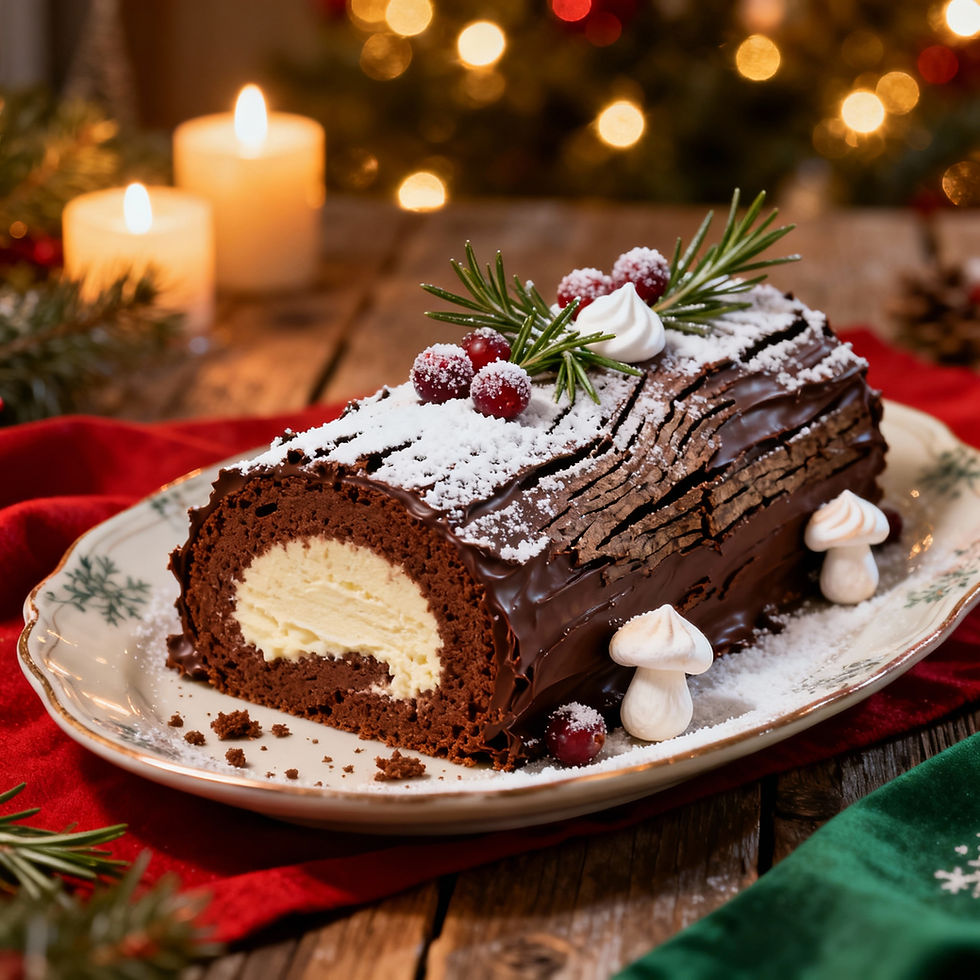


Comments