


Unlock the Benefits of Herbal Remedies for Your Wellness

Embracing Herbal Wellness: A Balanced Approach to Lively Living
With the fast-paced life of the current age increasingly reliant on man-made drugs and quick fixes, many individuals are turning to the natural way and the good old way with the tried-and-proven wisdom of herbal remedies to nourish good health. Herbal remedies, from the plant's root, leaf, flower, and seed, have been used for thousands of years in all the cultures and traditional health traditions of the world—Ayurveda and Traditional Chinese Medicine, as well as the Western folk medicine. The plant therapies offer a subtle, yet effective way of supplementing the body's own healing processes without the negative side effects normally associated with drugs.
Used wisely and consistently, herbal remedies can be an excellent addition to your health toolkit. From getting a better night's sleep to enhancing immune function, reducing levels of stress, or calming digestive upsets, there's likely an herb to do the trick. By learning how to use these remedies in your everyday life, you can begin taking proactive steps toward increased vitality and balance.
Best Herbal Remedies and How to Take Them
Literally hundreds of herbs to choose from, each with unique advantages to your health based on their natural composition. Here are the most commonly used and researched herbal remedies, and some useful tips on how to incorporate them into your life:
1. Chamomile
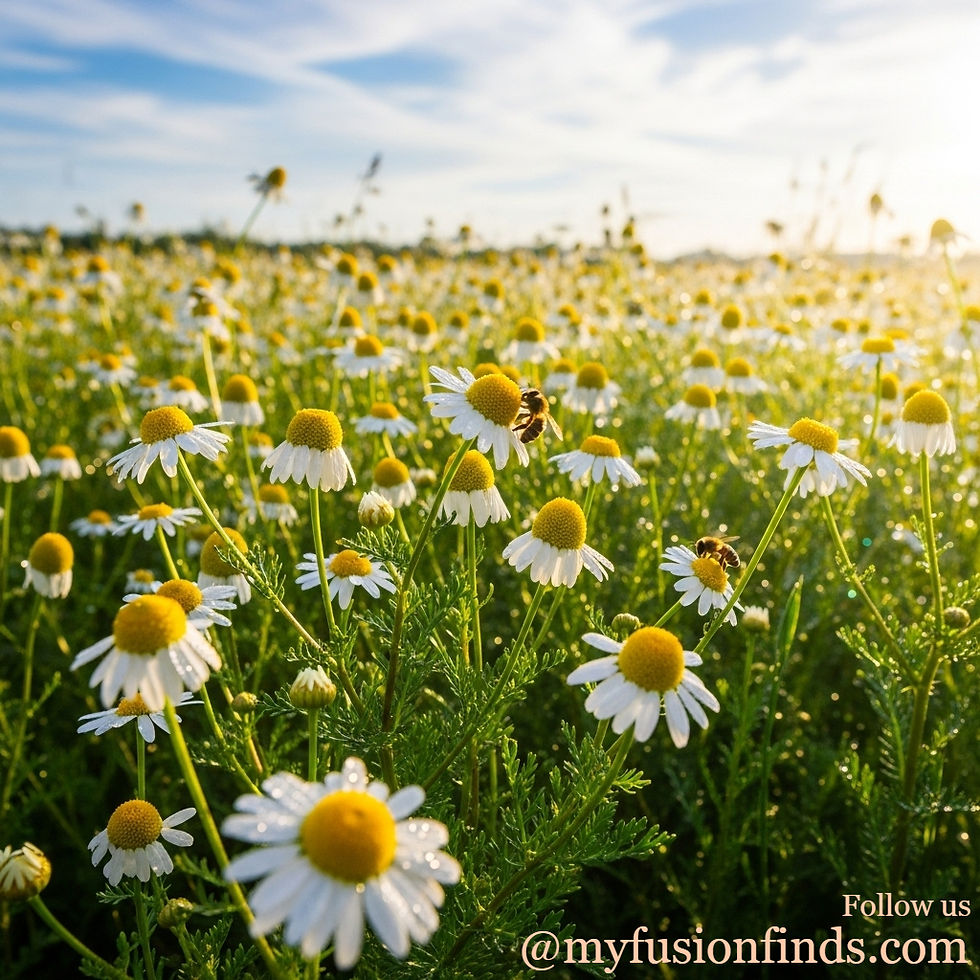
Chamomile is prized for its calming, sedating quality and is commonly consumed as a night-time tea. It contains antioxidants such as apigenin, which bind to receptors in the brain to help cause sleepiness and treat insomnia. Chamomile also displays mild anti-inflammatory and antispasmodic activity, and is useful for soothing digestive distress, menstrual cramps, and anxiety-related tension.
2. Echinacea

Used most frequently when colds and flu season is in the air, echinacea has been shown to stimulate the immune system. It can be ingested as a tea, tincture, capsule, or extract, and is said to reduce the duration and severity of colds when taken at the first sign of symptoms. Some research suggests it raises white blood cell counts and offers some antiviral activity.
3. Peppermint

Peppermint is a digestion powerhouse. Peppermint's menthol settles the muscles of the digestive tract, alleviating indigestion, gas, bloating, and IBS pain. Peppermint oil capsules, especially enteric-coated ones, are perfect for soothing the gut, while peppermint tea is mild enough to use as a daily support.
4. Lavender

Well known for its pleasant fragrance and calming properties, lavender is utilized in aromatherapy and also in topical application. Lavender essential oil is inhaled to be said to relieve anxiety, stress, and even depression. It is also used as a sleep blend to promote relaxation and deeper sleep. While combined with a carrier oil, it can be massaged into the skin to be used as a relaxing and healing treatment.
5. Ashwagandha

Ashwagandha is a traditional adaptogenic herb that helps the body acclimate to physical and emotional stress. It can be taken in powdered or capsule form and is utilized to enhance stamina, focus, and energy levels. It could also regulate cortisol levels over time, improve sleep, and increase adrenal health.
How to Make Herbal Wellness a Part of Your Daily Life
You do not need to transform your entire lifestyle to benefit from herbal remedies. It is easy, enjoyable, and extremely rewarding to incorporate them into everyday life. Here are practical ways to integrate herbal wellness into your day-to-day life:
Incorporating Herbs into Cooking

Herbs like rosemary, thyme, oregano, turmeric, ginger, and basil not only add flavor to your food but are also packed with robust anti-inflammatory and antioxidant factors. Fresh or dried, they enhance immune activity, digestion, and even mental health. Turmeric, for example, contains curcumin, a chemical linked to reduced inflammation and improved joint health.
Herbal Supplements

When time is not your friend, herbal supplements provide an instant, convenient solution. Use standardized extracts to be sure of potency and consistency. Choose high-quality, organic, third-party tested supplements at all times for maximum effectiveness and safety.
Aromatherapy

These oils like lavender, peppermint, eucalyptus, and frankincense can make your home a relaxation and healing retreat. Release in the air using a diffuser to soothe the mind, or blend some drops with warm bath or massage oil to unwind and lift mood.
Herbal Baths

Unwind in a soothing herbal bath by incorporating dried herbs (like chamomile, lavender, or calendula) or essential oils to bath water. Herbal baths soften tight muscles, calm the nervous system, and leave your skin with a gentle, healthy glow.
Herbal Teas

Make herbal teas a daily routine. From morning detox teas with ginger or dandelion to nighttime bedtime teas with valerian root or chamomile, drinking herbal tea offers hydration and health benefit in every cup.
Safety Tips and Considerations When Using Herbal Remedies
While herbal remedies are natural, they need to be used with caution and knowledge to avoid unwanted side effects. The following are essential guidelines to ensure safe and responsible use:
Use low doses as a starting point to test for individual tolerance and sensitivity responses.
Consult a healthcare professional, especially if pregnant, breastfeeding, having a chronic condition, or taking prescription medicine.
Research each herb in depth, e.g., its uses, side effects, and potential drug interactions.
Do not self-treat serious or severe illness. Herbal remedies are meant to complement—not replace—professional medical advice.
Store herbs in a dark, dry, cool place to preserve potency and prevent spoilage.
Herbal Wellness:
A Complementary Path to Holistic Health
Herbal remedies are only one part of a holistic lifestyle puzzle. To truly benefit from them, it's crucial to combine herbal support with balanced nutrition, regular exercise, mindfulness exercises, good sleep, and emotional balance. This combined approach facilitates the restoration of body, mind, and spirit balance, leading to a more sustainable and radiant health journey.
For those willing to learn more, many credible sources of herbal well-being—online herb shops, health food stores, and naturopathic websites—offer the information and resources needed to get started. Turn to reading herbists' books, herbalism courses, or contacting wellness groups for advice and inspiration.
Final Thoughts
Tapping into the power of herbs opens the door to a more loving, intelligent path of healing and prevention. Whether you're managing stress, enhancing immunity, or simply looking to bring a little extra self-care into your life, herbal wellness has age-old solutions rooted in nature. May your path be one of inquiry, respect for tradition, and balance with your body's own wisdom. With consistent, informed use, herbal medicine can be a solid ally on the path to lifelong health and balance.




Comments