


🌿 The Timeless Power of Herbs: A Guide to Natural Healing and Wellness

Updated: Dec 16, 2025
Herbs That Heal: Nature's Medicine
For centuries, herbs have played a vital role in healing practices across diverse cultures and traditions, including Ayurveda, Traditional Chinese Medicine (TCM), and Western herbalism. These natural remedies are not merely supplementary; they are integral to holistic approaches that support the body’s innate healing processes, reduce stress levels, boost immunity, and promote overall well-being. The use of herbs is deeply rooted in the history of medicine, where ancient practitioners recognized the profound connection between nature and health. Modern science continues to validate many of these traditional uses, shedding light on the biochemical properties of herbs that contribute to their therapeutic effects. Below is a comprehensive and updated guide to ten effective herbs, detailing their benefits, ideal users, precautions, and recommended daily uses. This guide aims to empower individuals to make informed choices about incorporating these powerful botanicals into their daily lives.
1. Turmeric (Curcuma longa)

Healing Power: Anti-inflammatory, antioxidant, pain reliever, liver detox support.
Benefits:
Reduces arthritis and joint pain
Research has shown that certain compounds with anti-inflammatory properties can significantly alleviate symptoms associated with arthritis and joint pain. By reducing inflammation, these compounds can improve mobility and enhance the quality of life for those suffering from chronic joint issues. Regular consumption may lead to decreased stiffness and swelling, allowing for greater flexibility and comfort in daily activities. Additionally, these compounds can enhance liver function and aid digestion.
Enhancing Liver Function: The Role of Healing Agents in Detoxification and Digestive Health
The liver is essential for detoxifying the body and processing nutrients. Certain healing agents can enhance liver function by promoting bile production, which is crucial for digestion and fat breakdown. Additionally, these compounds may help prevent fatty liver disease and support overall digestive health, leading to better nutrient absorption and a healthier gut microbiome.
Natural Substances for Blood Sugar Regulation
Certain natural substances may help regulate blood sugar levels positively, according to some studies. By improving insulin sensitivity and reducing insulin resistance, these compounds can stabilize blood glucose levels, making them beneficial for individuals managing diabetes or pre-diabetes. This regulation can lead to fewer spikes in blood sugar and a more balanced energy level throughout the day.
Supports Skin Health and Reduces Acne
The antioxidant properties of these healing agents help protect the skin from oxidative stress and environmental damage. They may also have antibacterial qualities that combat acne-causing bacteria, leading to clearer skin. Additionally, their anti-inflammatory effects can reduce the redness and swelling associated with breakouts, promoting a more radiant and healthy complexion.
Who Should Have It:
Persons with arthritis, diabetes, skin conditions, or digestive issues
Individuals suffering from arthritis can greatly benefit from the anti-inflammatory effects, while those with diabetes may find improved blood sugar regulation. People with various skin conditions, such as eczema or acne, can also experience enhanced skin health, and those with digestive issues might notice a marked improvement in their digestive comfort and function.
Who Should Avoid:
Pregnant women in large quantities
Pregnant women should limit their intake of certain compounds in large amounts due to potential risks to fetal development. Consulting with a healthcare provider can ensure safety during this critical period.
Persons taking blood thinners (e.g., warfarin)
Individuals on anticoagulant medications should exercise caution as some compounds may enhance the effects of these medications, leading to an increased risk of bleeding. These individuals need to discuss any new supplements with their healthcare provider to avoid adverse interactions.
Persons with gallstones or gallbladder disease
Those diagnosed with gallstones or gallbladder disease should avoid certain compounds that may stimulate bile production, as this could exacerbate their condition. Consulting with a healthcare professional is crucial to determine safe dietary choices.
How to Use:
Combine with warm milk ("golden milk") or smoothies
Incorporating these healing agents into your diet can be delicious and beneficial. Mixing them with warm milk creates a soothing drink known as "golden milk," which not only tastes great but also enhances absorption due to the fat content in milk. Alternatively, adding them to smoothies can provide an easy way to incorporate these beneficial compounds into your daily routine, making it enjoyable to reap their health benefits.
Mix with black pepper for better absorption
For optimal absorption of the active compounds, it is recommended to mix them with black pepper. This combination can significantly enhance bioavailability, allowing the body to utilize the healing properties more effectively. Including black pepper in your recipes can transform your meals into powerful health boosters.
2. Ginger (Zingiber officinale)
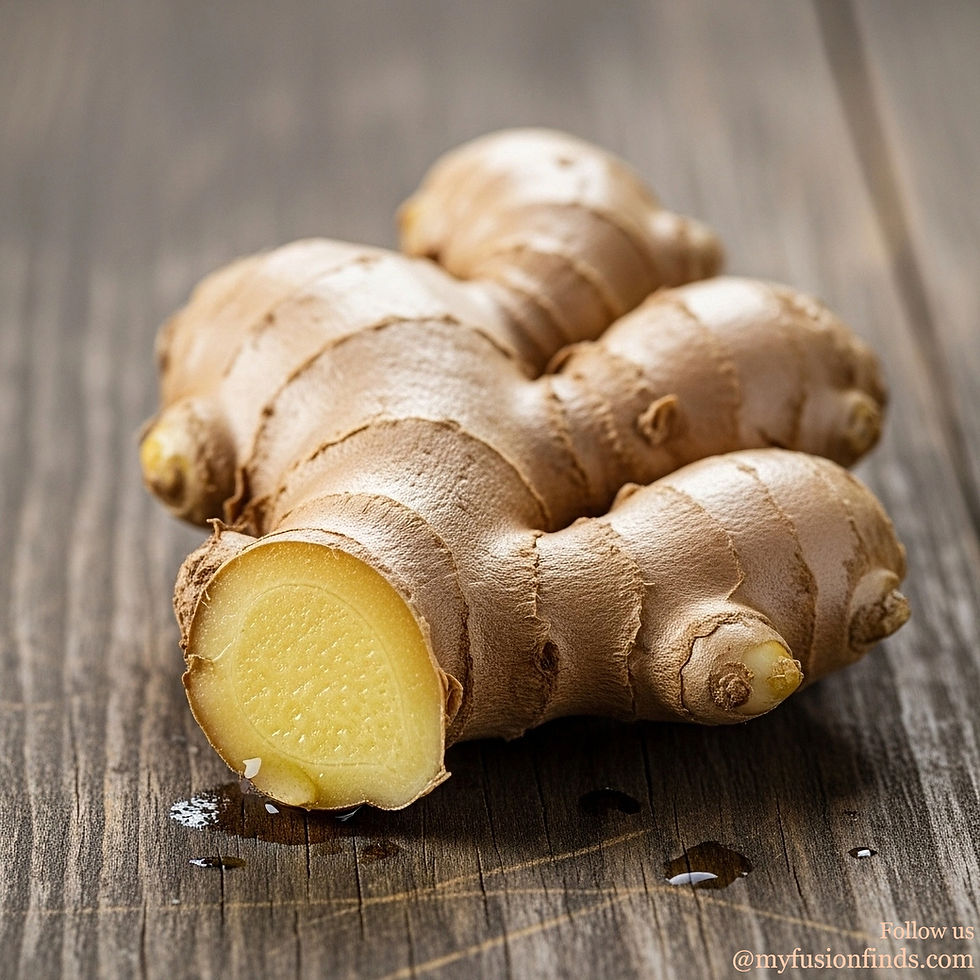
Healing Power: Anti-nausea, anti-inflammatory, warming digestive aid
Benefits:
Ginger is renowned for its remarkable ability to relieve nausea, making it particularly beneficial for individuals experiencing morning sickness during pregnancy or those suffering from motion sickness while traveling. Its natural compounds work by soothing the stomach lining and reducing the feelings of queasiness that can accompany these conditions.
In addition to its anti-nausea properties, ginger is also effective in reducing muscle soreness and alleviating menstrual cramps. The anti-inflammatory compounds found in ginger, such as gingerol, help to relax the muscles and reduce the pain associated with these common issues, providing relief for many who suffer from discomfort during their monthly cycle or after intense physical activity.
Furthermore, ginger aids digestion by stimulating the production of digestive enzymes and promoting the movement of food through the gastrointestinal tract. This can help to combat symptoms of bloating and discomfort after meals. Additionally, its warming properties can assist in fighting off cold symptoms, making it a comforting choice during the winter months when colds and flu are prevalent.
Who Should Have It:
Pregnant women may find ginger particularly helpful, but they must consume it in small amounts to avoid any potential adverse effects. A moderate intake can provide significant relief from morning sickness, making the pregnancy experience more comfortable.
Travelers who frequently experience motion sickness or nausea during long journeys can greatly benefit from incorporating ginger into their routines. Additionally, individuals who often suffer from bloating or general digestive discomfort may find that ginger helps to soothe their symptoms and improve their overall digestive health.
Who Should Avoid:
Individuals with gallstones should be cautious and avoid ginger, as it may stimulate bile production and potentially exacerbate their condition. These individuals must consult with a healthcare professional before incorporating ginger into their diet.
Additionally, those who are taking blood thinners or have bleeding disorders should also avoid ginger, as it has the potential to interfere with blood clotting. The compounds in ginger can enhance the effects of these medications, leading to an increased risk of bleeding. It is essential for these individuals to seek advice from their healthcare provider to ensure their safety.
How to Use:
One of the simplest and most effective ways to enjoy the benefits of ginger is by making fresh ginger tea. To prepare this, one can slice fresh ginger root and steep it in hot water for several minutes, allowing the flavors and beneficial compounds to infuse into the water. This tea can be enjoyed warm and can be sweetened with honey or lemon for added flavor and health benefits.
Alternatively, ginger can be added to a variety of foods, enhancing both flavor and health properties. It can be grated into stir-fries, soups, or smoothies, or even incorporated into baked goods. For those who prefer a more direct approach, chewing small bits of raw ginger can also provide immediate relief from nausea and digestive discomfort. This versatile root can be easily integrated into daily meals, making it an accessible option for many seeking its healing properties.
3. Ashwagandha (Withania somnifera)

Healing Power: Stress-fighting adaptogen that boosts stamina
Benefits:
One of the most notable benefits of this adaptogen is its ability to lower cortisol levels, which is the primary stress hormone produced by the adrenal glands. Elevated cortisol can lead to a myriad of health issues, including anxiety, depression, and weight gain. By reducing cortisol levels, this adaptogen helps to alleviate feelings of anxiety and promote a sense of calm and well-being.
In addition to its stress-reducing properties, this adaptogen is known to enhance cognitive functions, particularly memory and concentration. Research suggests that it may improve neural connectivity and promote neurogenesis, thereby helping individuals to retain information more effectively and stay focused on tasks for longer periods. This is particularly beneficial for students, professionals, and anyone who requires mental clarity and sharpness in their daily activities.
Furthermore, this powerful adaptogen is recognized for its ability to boost energy levels, enhance muscle strength, and improve endurance. Athletes and fitness enthusiasts often incorporate it into their routines to help improve performance and recovery. By increasing stamina, individuals can engage in physical activities for extended periods without experiencing fatigue, making it an excellent addition to any workout regimen.
Who Should Take It:
Individuals who find themselves frequently feeling stressed, anxious, or overwhelmed may greatly benefit from this adaptogen. Those who experience low energy levels throughout the day or struggle with insomnia may also find relief. This adaptogen can provide the necessary support to help manage stress and restore balance in their lives, allowing them to feel more energized and focused.
Who Should Avoid:
It is crucial for certain populations to avoid this adaptogen, particularly pregnant women. The effects of adaptogens on fetal development are not fully understood, and caution is advised. Additionally, individuals with hyperthyroidism or autoimmune diseases should exercise caution and consult with a healthcare professional before incorporating this adaptogen into their regimen, as it may exacerbate their condition or interact with medications.
How to Take:
This adaptogen can be taken in various forms, with capsules being a convenient option for those on the go. Alternatively, it can be consumed in powdered root form, which can be mixed into warm milk or smoothies for an added nutritional boost. When taken in this way, it not only provides the adaptogenic benefits but also enhances the flavor and texture of the beverage, making it a delightful addition to a healthy diet.
4. Peppermint (Mentha piperita)

Healing Power: Decongestant, headache reliever, digestive soother
Benefits:
One of the most notable benefits of this natural remedy is its ability to provide relief from symptoms associated with Irritable Bowel Syndrome (IBS). Individuals suffering from IBS often experience discomfort, cramping, and bloating, which can significantly impact their quality of life. This remedy works by soothing the digestive tract, helping to alleviate these uncomfortable symptoms, and promoting a more regular digestive process. Additionally, it effectively reduces bloating and indigestion, allowing for a more comfortable and enjoyable eating experience.
Moreover, this healing agent is renowned for its efficacy in easing tension headaches. Tension headaches, often triggered by stress, poor posture, or muscle strain, can be debilitating. This remedy helps to relax the muscles in the head and neck, reducing the intensity and frequency of these headaches. By promoting relaxation and providing a calming effect, it can serve as a natural alternative to over-the-counter pain relievers.
Furthermore, its decongestant properties are particularly beneficial during cold and flu seasons. When nasal passages become blocked due to congestion, it can lead to discomfort and difficulty breathing. This remedy acts to open up the airways, facilitating easier breathing and providing relief from sinus pressure. Clearing nasal passages helps individuals feel more comfortable and can improve overall respiratory function.
Who Should Take It:
Individuals suffering from digestive discomfort, headaches, or sinus congestion
Those who frequently experience digestive issues such as bloating, gas, or irregular bowel movements may find significant relief through the use of this remedy. Additionally, individuals who are prone to tension headaches or migraines can benefit greatly from its calming and soothing effects. Furthermore, anyone experiencing sinus congestion due to allergies, colds, or other respiratory issues may find this remedy particularly helpful in alleviating their symptoms and improving their overall well-being.
Who Should Not Take:
People with acid reflux (GERD) or a hiatal hernia
It is important to note that individuals suffering from gastroesophageal reflux disease (GERD) or those with a hiatal hernia should exercise caution and consult with a healthcare professional before using this remedy. The properties that help soothe digestion may also exacerbate symptoms in these conditions, leading to increased discomfort. Additionally, children under the age of 5, particularly when using peppermint oil, should avoid this remedy due to potential adverse effects on their developing systems.
How to Take:
There are several effective ways to incorporate this healing remedy into your routine. One popular method is to brew it in tea form, allowing the beneficial properties to infuse into hot water, which can be both soothing and comforting. For those who prefer aromatherapy, the essential oil can be diffused in a room, creating a pleasant and calming atmosphere while providing respiratory relief. Additionally, capsules containing the extract can be taken specifically for IBS symptoms, offering a convenient option for those who may not enjoy the taste of herbal teas. Each method offers distinct benefits, enabling individuals to select the one that best suits their lifestyle and preferences.
5. Chamomile (Matricaria chamomilla)

Healing Power: Natural relaxant, anti-inflammatory, menstrual soother
Benefits:
One of the most significant advantages of this natural remedy is its ability to improve sleep quality and reduce anxiety levels. Many individuals struggle with sleep disturbances, often leading to a cycle of fatigue and heightened stress. This natural relaxant promotes a sense of calmness, allowing the mind to unwind, which can be particularly beneficial in the evening before bedtime. As a result, users often report falling asleep more easily and experiencing deeper, more restorative sleep.
In addition to aiding sleep, this remedy is also known for its effectiveness in relieving menstrual cramps and spasms. Many women endure significant discomfort during their menstrual cycle, and this natural solution offers a gentle yet effective way to alleviate those painful symptoms. Reducing inflammation and soothing muscle tension, it can help make the menstrual experience more manageable and less distressing.
Furthermore, this remedy is beneficial for calming an upset stomach and addressing skin irritations. Digestive issues can arise from various factors, including stress or dietary choices, and this natural relaxant can help soothe the digestive tract, providing relief from discomfort. Additionally, when applied topically, it can alleviate skin irritations, offering a soothing effect that reduces redness and inflammation, making it a versatile option for overall wellness.
Who Should Have It:
Individuals suffering from insomnia, mild anxiety, or premenstrual syndrome (PMS) can greatly benefit from incorporating this natural remedy into their routines. Those who find themselves tossing and turning at night or feeling overwhelmed by daily stressors may discover that this remedy helps to create a more tranquil environment, promoting relaxation and peace of mind. Additionally, women experiencing the physical and emotional symptoms associated with PMS may find it particularly helpful in alleviating discomfort and enhancing their overall well-being during that time of the month.
Who Should Avoid:
However, it is essential to note that certain individuals should exercise caution or avoid this natural remedy altogether. People with known allergies to plants such as ragweed, daisies, marigolds, or chrysanthemums may experience adverse reactions, as these plants are part of the same botanical family. Therefore, anyone with these allergies must consult with a healthcare professional before use.
Moreover, pregnant women should also be cautious, particularly when it comes to consuming large quantities of this remedy. While some may find it helpful, the effects during pregnancy can vary, and it is always best to err on the side of caution. Consulting with a healthcare provider is advisable to ensure the safety of both the mother and the developing fetus.
How to Use:
There are several effective ways to incorporate this natural remedy into daily life. One popular method is brewing it as a tea, which not only provides the therapeutic benefits but also offers a comforting ritual that can enhance relaxation. The warm beverage can be enjoyed in the evening or whenever a moment of calm is needed. Additionally, it can be used as a compress for the skin, providing targeted relief for irritations or inflammation. For those who prefer a more aromatic experience, adding a few drops of essential oil to a warm bath can create a soothing environment, allowing for both physical and mental relaxation. Each method offers unique benefits, making it easy to find the right approach for individual preferences and needs.
6. Holy Basil / Tulsi (Ocimum sanctum)

Healing Power: Adaptogen, immune protector, blood sugar balancer
Benefits:
One of the primary benefits of adaptogens, particularly those like Tulsi, is their remarkable ability to reduce both physical and emotional stress. This adaptogenic herb works by modulating the body's response to stressors, helping to maintain balance in the face of life's challenges. Supporting the adrenal glands can enhance resilience to stress, thereby improving overall well-being.
Furthermore, Tulsi is known for its efficacy in balancing blood sugar and cortisol levels, which is essential for maintaining stable energy levels throughout the day. Regulating these hormones helps to prevent the spikes and crashes often associated with fluctuating blood sugar, making it an invaluable ally for those managing diabetes or metabolic syndrome.
In addition to its stress-relieving properties, Tulsi offers significant respiratory support. It can help clear the airways and promote healthy lung function, making it beneficial for individuals dealing with respiratory issues such as asthma or bronchitis. Its anti-inflammatory and antibacterial properties contribute to overall respiratory health, providing relief from congestion and promoting easier breathing.
Who Should Have It:
This powerful herb is particularly beneficial for diabetics, as it aids in stabilizing blood sugar levels and can enhance insulin sensitivity. Additionally, individuals experiencing high levels of stress, whether from work, personal life, or other sources, will find Tulsi to be a supportive addition to their wellness routine. Those who are frequently prone to colds or flu can also benefit, as Tulsi strengthens the immune system and helps fend off infections.
Who Should Avoid:
While Tulsi offers numerous health benefits, certain groups should exercise caution. Pregnant or lactating women should avoid this herb, as its effects on pregnancy and breastfeeding are not fully understood and could potentially pose risks. Additionally, individuals taking blood sugar-lowering medication should monitor their blood sugar levels closely when using Tulsi, as it may enhance the effects of these medications and lead to hypoglycemia if not managed properly.
How to Use:
There are several ways to incorporate Tulsi into your daily routine. One popular method is to brew a soothing cup of Tulsi tea, which can be enjoyed hot or iced. Alternatively, a tincture can be taken for a more concentrated dose, providing quick and effective support. For those who prefer a more natural approach, adding fresh Tulsi leaves to warm water creates a refreshing herbal infusion that captures the essence of this remarkable plant. Each of these methods allows for easy integration of Tulsi into your lifestyle, making it simple to harness its healing properties.
7. Echinacea (Echinacea purpurea)

Healing Power: Immune system booster, infection fighter
Benefits:
Shortens the frequency and duration of colds
Research indicates that certain natural remedies can significantly reduce the frequency and duration of cold symptoms. By enhancing the body's immune response, these remedies help individuals recover more quickly when they do catch a cold, leading to less time spent feeling unwell and more time enjoying daily activities. This is particularly beneficial during the colder months when colds and flu are more prevalent.
Possibly effective for treating upper respiratory infections
Upper respiratory infections (URIs) are common ailments that can lead to discomfort and missed days at work or school. Some studies suggest that specific immune-boosting substances may help alleviate symptoms associated with URIs, such as a sore throat, cough, and congestion. By potentially reducing inflammation and promoting faster healing, these treatments can offer relief and improve overall respiratory health.
In addition to relieving symptoms, the use of immune-boosting remedies may also support the body's natural defenses against the pathogens that cause these infections. This dual action of symptom relief and immune enhancement makes them a valuable addition to any health regimen, especially for those prone to frequent infections.
Antibacterial and antiviral effects
Many natural substances known for their immune-boosting properties also exhibit significant antibacterial and antiviral effects. This means they can help combat not only viral infections like the common cold but also bacterial infections that may arise as secondary complications. The ability to fight off these pathogens effectively can lead to fewer illnesses overall and a more robust immune system capable of defending against a variety of threats.
Who Should Have It:
Individuals with weak immune systems or recurrent colds
People who frequently suffer from colds or have compromised immune systems, such as the elderly, those undergoing certain medical treatments, or individuals with chronic illnesses, can greatly benefit from incorporating these immune-boosting remedies into their daily routine. By providing essential support to the immune system, these individuals may experience fewer infections and improved overall health, allowing them to lead more active and fulfilling lives.
Additionally, those who are often exposed to environments where germs are prevalent, such as schools, hospitals, or crowded public places, may find these remedies particularly advantageous in maintaining their health and preventing illnesses.
Who Should Avoid:
Those with autoimmune diseases or ragweed/daisy allergies
Individuals with autoimmune diseases must consult healthcare professionals before using immune-boosting substances. These individuals may experience adverse effects as these remedies can stimulate the immune system, potentially exacerbating their condition. Furthermore, individuals with known allergies to ragweed or daisies should also exercise caution, as some immune-boosting herbs may belong to the same plant family and could trigger allergic reactions.
How to Use:
As a tincture, capsule, or tea at the onset of illness
For optimal effectiveness, these immune-boosting remedies can be taken in various forms, including tinctures, capsules, or as a soothing tea. The choice of form may depend on personal preference, convenience, and the specific health goals of the individual. Taking these remedies at the onset of illness can maximize their benefits, helping to shorten the duration of symptoms and support recovery. Incorporating them into a daily wellness routine, especially during cold and flu season, may provide additional protective benefits.
8. Lavender (Lavandula angustifolia)

Healing Power: Calms the nervous system, heals skin, promotes rest
Benefits:
Reduces anxiety and stress by acting on the limbic system, the part of the brain that controls emotions. The calming aroma of lavender has been scientifically shown to lower cortisol levels, which is a hormone associated with stress. This makes it an excellent natural remedy for those experiencing overwhelming feelings of anxiety or stress in daily life.
Promotes sleep and combats insomnia by creating a serene environment conducive to restful slumber. Studies have indicated that inhaling lavender essential oil before bedtime can significantly improve the quality of sleep, leading to deeper and more restorative sleep. This is particularly beneficial for individuals who struggle with insomnia or have difficulty winding down at the end of the day.
Soothes skin irritations, minor burns, and other dermatological issues due to its anti-inflammatory and antiseptic properties. Lavender oil can be applied topically (when diluted properly) to help alleviate redness, itching, and discomfort associated with conditions such as eczema or psoriasis, as well as to promote faster healing of minor cuts and burns.
Who Should Have It:
Individuals with anxiety, insomnia, or mild skin issues can greatly benefit from incorporating lavender into their daily routines. Those who find themselves frequently stressed or unable to relax may find solace in its calming effects. Additionally, people dealing with skin irritations or looking for a natural remedy to soothe their skin will appreciate lavender's healing properties.
Who Should Avoid:
Individuals with lavender allergies should steer clear of any lavender products to prevent adverse reactions, which can include skin rashes or respiratory issues. It is crucial for those who have experienced allergic reactions to lavender in the past to consult with a healthcare professional before using it in any form.
Young boys should also be cautious with topical applications of lavender, as research suggests that lavender oil may disrupt hormonal balance in prepubescent boys, potentially leading to unwanted effects. Parents should consider alternative options if they are looking for calming remedies for their children.
How to Use:
Essential oils can be utilized for aromatherapy by adding a few drops to a diffuser, allowing the soothing scent to fill the room and create a calming atmosphere. It can also be diluted with a carrier oil for topical application, which can be beneficial for treating skin irritations or enhancing relaxation during a massage.
Dried lavender can be prepared as tea or placed in sachets, which can be tucked under pillows or placed in drawers for a gentle, calming scent. Drinking lavender tea before bedtime can help promote relaxation and prepare the body for a restful night’s sleep, making it an excellent addition to a nighttime routine.
9. Dandelion (Taraxacum officinale)

Healing Power: A Comprehensive Overview of Liver Tonic, Mild Diuretic, and Vitamin-Rich Cleanser
Benefits:
One of the primary benefits of this remarkable herbal remedy is its ability to encourage liver detoxification. The liver plays a crucial role in filtering toxins from the bloodstream, and certain compounds found in this tonic can enhance its natural detoxification processes, promoting overall liver health and function. This cleansing action helps to eliminate harmful substances that may accumulate in the body over time, contributing to improved vitality and well-being.
Additionally, this herbal tonic is known to ease water retention, a common issue that can lead to discomfort and bloating. By acting as a mild diuretic, it promotes the excretion of excess fluids, thus helping to alleviate swelling and improve the body's natural fluid balance. This property is particularly beneficial for individuals who may experience periodic water retention due to dietary choices or hormonal fluctuations.
Furthermore, this tonic is rich in essential vitamins, including vitamins A, C, and K, as well as a variety of important minerals. Vitamin A is vital for maintaining healthy vision and skin, while vitamin C is known for its powerful antioxidant properties, which help protect the body from oxidative stress. Vitamin K plays a key role in blood clotting and bone health, making this tonic not only a liver cleanser but also a valuable source of nutrients that support overall health and wellness.
Who Should Have It:
This herbal tonic is particularly beneficial for individuals dealing with a sluggish liver, which may manifest as fatigue, digestive issues, or general malaise. Those with various skin issues, such as acne or eczema, may also find relief, as the tonic helps to purify the blood and promote clearer skin. Furthermore, individuals experiencing water retention, whether due to dietary choices, hormonal changes, or other factors, can greatly benefit from incorporating this tonic into their routine, as it aids in the reduction of excess fluid buildup.
Who Should Avoid:
While this herbal remedy offers numerous benefits, certain individuals should exercise caution or avoid its use altogether. People with allergies to the ragweed family should refrain from using this tonic, as it may trigger allergic reactions. Additionally, those who are currently taking diuretics or blood thinners should consult with a healthcare professional before incorporating this herbal tonic into their regimen. The interaction between these medications and the tonic could potentially lead to adverse effects or complications, so it is essential to prioritize safety and seek professional advice.
How to Use:
There are several enjoyable and effective ways to incorporate this herbal tonic into your daily routine. Fresh leaves can be added to salads, providing a nutritious and flavorful boost to your meals. Alternatively, dandelion tea can be prepared by steeping the leaves in hot water, creating a soothing beverage that not only tastes good but also delivers the health benefits associated with this powerful herb. For those seeking a more concentrated form, tinctures made from the herb can be taken, offering a potent dose of its beneficial properties. Regardless of the method chosen, integrating this tonic into your lifestyle can contribute significantly to your overall health and wellness.
10. Licorice Root (Glycyrrhiza glabra)

Healing Power: Soothes the digestive system, promotes adrenal health, anti-inflammatory
This healing power is particularly notable for its ability to soothe the digestive system, providing relief from various gastrointestinal issues. It plays a vital role in promoting adrenal health, which is essential for managing stress and maintaining overall energy levels. Additionally, its anti-inflammatory properties contribute significantly to reducing inflammation in the body, which can lead to a variety of health benefits, including improved recovery times and reduced pain.
Benefits:
One of the primary benefits of this healing power is its ability to soothe sore throat and cough, making it a natural remedy for respiratory discomfort. It can provide relief by coating the throat and reducing irritation, which is especially helpful during cold and flu season.
Moreover, it has been shown to help with ulcers and acid reflux by promoting healing in the digestive tract and reducing the production of stomach acid, thereby alleviating symptoms associated with these conditions. This makes it a valuable ally for those suffering from chronic digestive issues.
In addition, it can significantly aid adrenal function in cases of exhaustion, particularly for individuals facing chronic stress or fatigue. Supporting adrenal health, it helps restore balance to the body’s stress response, leading to improved energy levels and overall vitality.
Who Should Have It:
This healing power is particularly beneficial for people who are suffering from ulcers, bronchitis, or adrenal exhaustion. Individuals dealing with these conditions can find relief and support through its soothing and restorative properties, making it a valuable addition to their health regimen.
Who Should Avoid:
However, it is important to note that pregnant women should avoid this healing power due to potential risks to fetal development. Additionally, individuals with high blood pressure, as well as those with heart or kidney issues, should exercise caution and consult with a healthcare provider before using it, as it may exacerbate their conditions.
How to Use:
For those looking to incorporate this healing power into their wellness routine, it can be consumed as a tea or extract. However, it is crucial to limit long-term use unless it is deglycyrrhizinated (DGL), which has had the glycyrrhizin component removed to reduce potential side effects. This ensures that users can enjoy the benefits without the risks associated with prolonged consumption.
Key Tips for Using Healing Herbs
Start small: It is essential to always test new herbs for tolerance or allergic reactions. Begin with a small dose to monitor how your body responds before gradually increasing the amount.
Go organic: Whenever possible, opt for high-quality, pesticide-free herbs to ensure that you are receiving the purest form of the plant and maximizing its health benefits.
Consult your doctor: It is especially important to consult with your healthcare provider if you are pregnant, breastfeeding, or currently taking medication, as some herbs can interact with pharmaceuticals or may not be safe during pregnancy.
Remember, herbs should be used as supportive measures and not as substitutes for essential medical treatment. They can complement traditional medicine and enhance your overall health when used judiciously.
Conclusion
In conclusion, herbs serve as nature's medicine cabinet, offering a plethora of support for a wide range of issues, from stress and sleep disturbances to immune function and digestive health. When used wisely and with respect for their potency, these plants can significantly augment your wellness practice, drawing upon the ancient wisdom of natural remedies that have been utilized for centuries. Embracing these healing powers can lead to a more balanced and healthful life, allowing you to tap into the restorative benefits that nature has to offer.


Comments