


Moringa: The Timeless Power of Herbs, A Guide to Natural Healing and Wellness, and Its Health Benefits

Updated: Dec 16, 2025

1. Rich in Nutrients
Vitamins: This food is particularly abundant in a range of essential vitamins that play crucial roles in maintaining overall health. For instance, it is rich in vitamin A, which is not only vital for maintaining good vision but also plays a significant role in supporting the immune system. Vitamin A helps the body fight infections and is crucial for the proper functioning of the heart, lungs, and kidneys. Additionally, it contains a high level of vitamin C, which is well-known for its antioxidant properties. Vitamin C contributes to skin health by promoting collagen production, which is essential for maintaining skin elasticity and healing wounds. Furthermore, it is packed with B vitamins, which are essential for the production of energy. These vitamins assist in converting food into fuel, thus supporting metabolic processes and overall vitality.
Minerals: This food is also high in essential minerals that are vital for various bodily functions. It contains significant amounts of calcium, which is crucial for building and maintaining strong bones and teeth. Adequate calcium intake is also important for muscle function and nerve signaling. Additionally, it is rich in potassium, a mineral that plays a key role in regulating blood pressure and maintaining fluid balance within the body. Iron is another critical mineral found in this food, essential for the formation of hemoglobin, which carries oxygen in the blood. Moreover, it provides magnesium, which is involved in over 300 biochemical reactions in the body, including energy production, muscle contraction, and nerve function. Lastly, zinc is present in high amounts, which is important for immune function, wound healing, and DNA synthesis, making it a vital mineral for overall health.
Protein: This food is notable for containing all nine essential amino acids, making it a rare example of a complete protein source that is plant-based. This characteristic is particularly beneficial for individuals following vegetarian or vegan diets, as it provides a high-quality protein option that can support muscle growth, repair, and overall bodily functions. The presence of all essential amino acids means that it can contribute effectively to the body’s protein needs, which are necessary for maintaining muscle mass, promoting recovery after exercise, and supporting various physiological processes.
Perfect for: Vegetarians, vegans, and anyone wanting a nutritional pick-me-up.
This food is an excellent choice for vegetarians and vegans who may struggle to find complete protein sources in their diets. It offers a convenient way to ensure they are meeting their nutritional needs without relying on animal products. Additionally, it is perfect for anyone looking to enhance their diet with nutrient-dense foods that can provide a significant boost in vitamins, minerals, and protein. Whether someone is an athlete seeking to optimize their performance or an individual simply aiming for better overall health, incorporating this food into their meals can lead to improved energy levels, enhanced immune function, and better metabolic health.
2. Strong Antioxidant Power
Moringa, often referred to as the "drumstick tree," is renowned for its impressive nutritional profile, particularly its rich content of antioxidants such as quercetin, chlorogenic acid, and beta-carotene. These powerful compounds play a crucial role in the body’s defense system against oxidative stress, a condition caused by an imbalance between free radicals and antioxidants in the body.
Free radicals are unstable molecules that can damage cells, proteins, and DNA, leading to a variety of health issues. The antioxidants found in moringa are instrumental in neutralizing these free radicals, thereby reducing oxidative stress and its associated risks. Research has shown that chronic oxidative stress is linked to the development of numerous serious health conditions, including various forms of cancer, heart disease, diabetes, and neurodegenerative disorders. By incorporating moringa into the diet, individuals may potentially lower their risk of these chronic diseases, promoting a healthier and more resilient body.
Most useful for: Anti-aging, inflammation management, and chronic disease prevention.
In addition to its antioxidant properties, moringa also possesses anti-inflammatory effects, which can be particularly beneficial for those suffering from chronic inflammation. This inflammation can contribute to a host of health problems, including arthritis, heart disease, and even certain cancers. By helping to reduce inflammation in the body, moringa may enhance overall health and well-being, making it a valuable addition to any health-conscious diet.
Furthermore, the anti-aging benefits of moringa are noteworthy. The antioxidants present in moringa not only help combat oxidative stress but also support skin health by promoting collagen production and improving skin elasticity. This can lead to a more youthful appearance and a reduction in the visible signs of aging. Regular consumption of moringa may thus contribute to maintaining a vibrant and healthy complexion.
Overall, the incorporation of moringa into one's diet offers a multitude of health benefits, particularly in the realms of anti-aging, inflammation management, and chronic disease prevention. With its rich array of antioxidants and other beneficial compounds, moringa stands out as a superfood that supports a holistic approach to health and longevity.
❤️ 3. Helps Heart Health
Moringa is an incredibly nutrient-dense plant, often referred to as a superfood, and its benefits for heart health are particularly noteworthy. One of the key components of moringa is its rich fiber content, which plays a crucial role in maintaining healthy cholesterol levels. This fiber works by binding to cholesterol in the digestive system, effectively trapping the bad fats and preventing them from being absorbed into the bloodstream. This process not only helps to lower overall cholesterol levels but also contributes to a healthier cardiovascular system.
Another significant compound found in moringa is quercetin, a powerful antioxidant that has been shown to have various health benefits, including its ability to lower blood pressure naturally. Quercetin helps to relax blood vessels, improving circulation and reducing the strain on the heart. This natural approach to managing blood pressure can be particularly beneficial for individuals seeking alternatives to conventional medications.
Additionally, moringa contains chlorogenic acid, which is known for its potential to help balance blood sugar and cholesterol levels. Chlorogenic acid has been studied for its ability to modulate glucose metabolism, making it a valuable ally for those looking to manage their blood sugar levels. This compound also contributes to the overall lipid profile by promoting healthy cholesterol levels, thus further supporting heart health and reducing the risk of cardiovascular diseases.
Suitable for: Individuals with high cholesterol, high blood pressure, or at risk of heart disease.
Given these remarkable properties, moringa is particularly suitable for individuals who are dealing with high cholesterol levels, experiencing high blood pressure, or who may be at an increased risk of developing heart disease. Incorporating moringa into one’s diet can be a proactive step towards enhancing heart health and improving overall well-being. Whether through supplements, powders, or fresh leaves, moringa offers a versatile addition to various meals and health regimens, making it easier for individuals to reap its benefits.
4. Regulates Blood Sugar
Research indicates that moringa, a nutrient-rich plant also known as the drumstick tree or miracle tree, has remarkable properties that can significantly reduce fasting blood sugar levels while simultaneously enhancing insulin sensitivity. Various studies have demonstrated that the bioactive compounds found in moringa, such as isothiocyanates and polyphenols, play a crucial role in modulating glucose metabolism in the body. These compounds help in the effective utilization of glucose by cells, thereby lowering blood sugar levels and improving overall metabolic health.
This regulation of blood sugar is particularly beneficial for individuals who are managing diabetes or are at risk of developing insulin resistance. By incorporating moringa into their diets, individuals may experience improved glycemic control, which is essential for preventing the long-term complications associated with diabetes, such as cardiovascular disease, neuropathy, and kidney damage. Additionally, moringa's anti-inflammatory and antioxidant properties may further support metabolic health by reducing oxidative stress, which is often elevated in individuals with diabetes.
Moreover, the presence of essential vitamins and minerals in moringa, including vitamin C, vitamin A, calcium, and potassium, contributes to its overall health benefits, making it a valuable addition to the diet of anyone looking to maintain stable blood sugar levels. Consuming moringa in various forms—such as powder, capsules, or fresh leaves—can offer a convenient way to harness its potential for blood sugar regulation and overall wellness.
Suitable for: Prediabetes, diabetes, or metabolic syndrome.
Individuals diagnosed with prediabetes, diabetes, or metabolic syndrome may find that incorporating moringa into their dietary regimen can provide significant support in managing their condition. For those with prediabetes, moringa may assist in preventing the progression to type 2 diabetes by improving insulin sensitivity and promoting better blood sugar control. Similarly, for individuals already living with diabetes, moringa can serve as a complementary approach to their existing treatment plans, potentially reducing the need for higher doses of medication.
Furthermore, those with metabolic syndrome—characterized by a cluster of conditions that increase the risk of heart disease, stroke, and diabetes—can benefit from moringa's multifaceted health benefits. The plant's ability to regulate blood sugar, lower cholesterol levels, and reduce inflammation makes it a holistic option for tackling the various aspects of metabolic syndrome. By integrating moringa into a balanced diet and healthy lifestyle, individuals can work towards achieving better health outcomes and improving their quality of life.
5. Supports Bones
Maintaining strong and healthy bones is essential for overall physical health, especially as we age. Nutritional elements such as calcium and phosphorus play a crucial role in the development and maintenance of bone density and structure. Calcium is the primary mineral found in bones, and it is vital for the formation of bone tissue. Phosphorus, on the other hand, works in tandem with calcium to enhance bone strength and integrity. Together, these minerals contribute to the prevention of bone-related diseases such as osteoporosis, which is characterized by weakened bones that are more susceptible to fractures and breaks. Ensuring an adequate intake of these essential nutrients is therefore fundamental in supporting skeletal health throughout one’s life.
In addition to their roles in bone formation, calcium and phosphorus also play a vital part in reducing inflammation within the body. Chronic inflammation can lead to various health issues, including joint pain and discomfort. The anti-inflammatory properties of these minerals can help alleviate symptoms associated with conditions such as arthritis, making it easier for individuals to maintain an active lifestyle. By managing inflammation effectively, individuals can experience improved mobility and a better quality of life, particularly as they navigate the challenges that come with aging.
Suitable for: post-menopausal women, aged individuals, and those at risk of osteoporosis.
Post-menopausal women are particularly susceptible to bone density loss due to the decrease in estrogen levels, which plays a significant role in bone health. As estrogen levels drop, the rate of bone resorption increases, leading to a higher risk of osteoporosis. Therefore, women in this demographic must focus on calcium and phosphorus intake, along with other supportive nutrients such as vitamin D and magnesium, to help mitigate the effects of menopause on their bone health.
Aging individuals, regardless of gender, also face an increased risk of developing osteoporosis and experiencing bone fractures. As we age, our bodies may become less efficient at absorbing nutrients, and bone density naturally declines. Older adults need to prioritize their bone health through a balanced diet rich in these essential minerals, as well as engaging in weight-bearing exercises that promote bone strength.
Furthermore, individuals who are at a higher risk of developing osteoporosis, such as those with a family history of the condition or those who lead a sedentary lifestyle, should take proactive measures to ensure they are getting enough calcium and phosphorus. This can include dietary adjustments, supplementation, and regular check-ups with healthcare providers to monitor bone health and density. By addressing these concerns early on, individuals can take significant steps toward maintaining their bone health and preventing future complications.
6. Boosts Immunity
Moringa is a powerhouse of nutrients, particularly known for its rich content of vitamin C, zinc, and a variety of anti-inflammatory compounds that work synergistically to enhance the body's immune response. Vitamin C is a well-known antioxidant that plays a crucial role in the immune system by stimulating the production of white blood cells, which are essential for fighting off infections. Zinc, on the other hand, is vital for the development and function of immune cells, and its deficiency can lead to a weakened immune system.
Moreover, Moringa contains a host of other beneficial compounds, including flavonoids and phenolic acids, which contribute to its anti-inflammatory properties. These compounds help to reduce inflammation in the body, allowing the immune system to function more effectively. The anti-inflammatory effects can also alleviate symptoms associated with various infections and diseases, further supporting overall health.
In addition to its nutrient profile, some research indicates that Moringa may possess antimicrobial properties, which means it can help combat a range of pathogens, including bacteria, viruses, and fungi. This potential ability to destroy harmful microorganisms can be particularly beneficial in preventing infections and illnesses, making Moringa a valuable addition to one’s diet, especially during times when the body is more susceptible to pathogens.
During the cold and flu season, when viruses are more prevalent, and stress levels can rise, the need for a robust immune system becomes even more critical. Incorporating Moringa into your daily routine can provide a natural way to enhance your body's defenses, helping to ward off illnesses and maintain overall wellness. Whether consumed as a powder, in capsules, or as part of a meal, Moringa can serve as a supportive ally in your quest for better health, especially when faced with seasonal challenges or heightened stress levels.
Required during the cold, flu season, or stress.
7. Healthier Skin and Hair
Vitamin A, a vital nutrient for maintaining healthy skin, plays a crucial role in promoting cell production and repair. This essential vitamin, along with a variety of antioxidants, works synergistically to stimulate collagen synthesis, which is fundamental for maintaining skin elasticity and firmness. As we age, our natural collagen production decreases, leading to the formation of wrinkles and fine lines. By incorporating Vitamin A into your skincare regimen, you can help combat these visible signs of aging and promote a more youthful appearance. Furthermore, antioxidants, such as vitamins C and E, protect the skin from oxidative stress caused by free radicals, which can lead to premature aging and skin damage. They also aid in healing existing skin damage, such as hyperpigmentation and uneven skin tone, resulting in a more radiant and healthier complexion.
In addition to these benefits for the skin, the antimicrobial properties of certain vitamins and nutrients can be incredibly effective in addressing scalp health. For instance, these nutrients can help cure dandruff and alleviate scalp infections by combating the fungi and bacteria that often contribute to these conditions. A healthy scalp is essential for promoting hair growth and maintaining overall hair health, as it creates an optimal environment for hair follicles to thrive. By nourishing the scalp with the right vitamins and minerals, you can reduce flakiness, irritation, and inflammation, leading to a healthier scalp and, consequently, healthier hair.
Great for: Natural beauty care and anti-aging care.
Utilizing natural ingredients that are rich in Vitamin A and antioxidants is an excellent approach to enhancing your beauty care routine. These ingredients not only promote skin rejuvenation and repair but also contribute to a holistic approach to beauty that prioritizes health and well-being. By choosing products that harness the power of nature, you can achieve effective anti-aging results without the use of harsh chemicals or synthetic additives. This natural beauty care approach aligns with the growing trend towards clean beauty, where consumers are increasingly seeking products that are both effective and environmentally friendly.
Moreover, the focus on anti-aging care through natural means emphasizes the importance of prevention. Starting a regimen that incorporates these beneficial nutrients early on can help delay the onset of aging signs, keeping your skin and hair looking vibrant and youthful for longer. By integrating Vitamin A and antioxidants into your daily routine, whether through topical applications or diet, you can enhance not just your outer appearance but also your overall confidence and self-esteem.
8. Digestion Support
Moringa leaves are rich in dietary fiber, a crucial component that plays a significant role in promoting regular bowel movements and maintaining a healthy gut environment. The fiber found in moringa not only aids in the mechanical process of digestion by adding bulk to the stool but also facilitates the smooth transit of food through the digestive tract. This can help prevent issues such as constipation, which is often characterized by infrequent or difficult bowel movements. Additionally, the fiber in moringa contributes to the overall health of the gut microbiome by providing nourishment for beneficial bacteria, thereby enhancing gut health and function.
Moreover, the consumption of moringa leaves may provide relief from common digestive discomforts such as constipation, bloating, and gas. Constipation can lead to a buildup of waste in the intestines, causing discomfort and a feeling of heaviness. Moringa's fibrous content helps to alleviate this by promoting more frequent and easier bowel movements. Bloating, often caused by the accumulation of gas in the digestive tract, can also be mitigated by the regular intake of moringa, as it helps to ensure that food moves efficiently through the system, reducing the likelihood of fermentation and gas production. Furthermore, the anti-inflammatory properties of moringa may assist in soothing the digestive tract, which can contribute to a reduction in gas and bloating sensations.
Good for: People with IBS or slow digestion.
Moringa leaves are particularly beneficial for individuals suffering from Irritable Bowel Syndrome (IBS) or those who experience slow digestion. IBS is a common gastrointestinal disorder that can lead to symptoms such as abdominal pain, cramping, and irregular bowel habits. The fiber in moringa not only helps in regulating these symptoms but may also provide a soothing effect on the gut lining, potentially reducing inflammation and discomfort associated with IBS. For individuals with slow digestion, the inclusion of moringa in their diet can enhance digestive efficiency, promoting a more timely breakdown and absorption of nutrients. This can lead to improved overall digestive health and a reduction in the discomfort associated with slow digestive processes.
9. Anti-Inflammatory
Chronic inflammation is a significant underlying factor that is intricately linked to a wide range of diseases, including but not limited to arthritis, diabetes, cardiovascular diseases, and various forms of cancer. This persistent state of inflammation can lead to tissue damage and contribute to the progression of these conditions, ultimately affecting overall health and quality of life. Research has shown that inflammatory processes play a crucial role in the pathogenesis of these diseases, making the management of inflammation a key area of focus in medical treatments and lifestyle modifications.
Moringa, a plant renowned for its nutritional and medicinal properties, contains a variety of bioactive compounds that have been shown to suppress inflammatory enzymes and pathways. These compounds, including flavonoids, phenolic acids, and glucosinolates, work synergistically to reduce inflammation in the body. By modulating the activity of inflammatory mediators, moringa helps to soothe affected tissues, potentially alleviating pain and discomfort associated with chronic inflammatory conditions. Furthermore, the antioxidant properties of moringa also play a role in combating oxidative stress, which is often linked to inflammation and its associated diseases.
Suitable for: People with chronic pain, autoimmune disease, or arthritis.
This anti-inflammatory property makes moringa particularly suitable for individuals suffering from chronic pain conditions, such as those associated with arthritis and autoimmune diseases. For instance, people with rheumatoid arthritis or lupus may experience debilitating symptoms due to the autoimmune response that triggers inflammation in the body. Incorporating moringa into their diet may help in managing these symptoms, providing a natural adjunct to conventional treatments. Additionally, individuals dealing with chronic pain from conditions like fibromyalgia may find relief through the anti-inflammatory effects of moringa, as it can help reduce the overall inflammatory burden in their bodies.
Moreover, the versatility of moringa allows it to be consumed in various forms, such as powder, capsules, or as a fresh leafy vegetable, making it accessible for different dietary preferences. This ease of incorporation into daily routines can be particularly beneficial for those seeking natural remedies to complement their health regimen. Overall, the anti-inflammatory benefits of moringa highlight its potential as a valuable addition to the diets of individuals facing chronic inflammatory challenges.

⚡ Who Should Eat or Drink Moringa?
Vegans and Vegetarians (for complete protein + iron)
Moringa is an exceptional source of complete protein, which is particularly beneficial for those following a vegan or vegetarian diet. Unlike many plant-based proteins, moringa contains all nine essential amino acids necessary for human health. This makes it a valuable addition to meals, ensuring that individuals who do not consume animal products can still meet their protein needs effectively. Furthermore, moringa is rich in iron, a nutrient that is often lacking in vegan and vegetarian diets. Iron is crucial for the formation of hemoglobin, which transports oxygen throughout the body. By incorporating moringa into their diets, vegans and vegetarians can help prevent iron deficiency and support overall health.
Diabetics (for blood sugar control)
Individuals managing diabetes might find moringa particularly beneficial due to its potential to help regulate blood sugar levels. Research has indicated that moringa leaves contain compounds that may lower blood sugar levels and improve insulin sensitivity. Regular consumption of moringa can aid in stabilizing blood glucose levels, which is essential for diabetics seeking to maintain their health. Additionally, the high fiber content in moringa can contribute to better digestion and help prevent spikes in blood sugar, making it a smart dietary choice for those affected by diabetes.
People with Inflammation or Joint Pain
Moringa is renowned for its anti-inflammatory properties, making it an excellent choice for individuals suffering from chronic inflammation or joint pain. The leaves of the moringa plant contain various antioxidants and bioactive compounds that can help reduce inflammation in the body. For those who experience conditions such as arthritis or other inflammatory disorders, incorporating moringa into their diet may provide relief from pain and discomfort. Its natural ability to combat inflammation can also support overall joint health and mobility, enhancing the quality of life for those affected.
People who Need Immune Boosting
The immune-boosting properties of moringa make it an ideal addition to the diets of individuals looking to strengthen their immune systems. Rich in vitamins A, C, and E, as well as various antioxidants, moringa can help enhance the body's natural defenses against infections and diseases. Regular consumption of moringa may support the production of immune cells and improve the body's response to pathogens. For those who are frequently ill or looking to bolster their health during cold and flu seasons, moringa can serve as a powerful ally in maintaining robust immunity.
Sportspeople and Working Professionals (for energy and rejuvenation)
For athletes and busy professionals, moringa can provide a natural source of energy and rejuvenation. The nutrient-dense profile of moringa, including its high levels of vitamins, minerals, and amino acids, can help enhance endurance and reduce fatigue. Consuming moringa can support muscle recovery after intense workouts, making it a popular choice among sports enthusiasts. Additionally, its ability to provide sustained energy can help working professionals maintain focus and productivity throughout their demanding days. Whether consumed as a powder in smoothies or as a supplement, moringa can play a crucial role in enhancing physical performance and overall vitality.
Anyone Fighting Nutrient Deficiencies
Lastly, moringa is an excellent option for anyone battling nutrient deficiencies, regardless of their dietary preferences. With its impressive array of vitamins and minerals, including calcium, potassium, and magnesium, moringa can help fill nutritional gaps that may arise from inadequate dietary intake. This superfood can be particularly beneficial for individuals recovering from illness or those who may have restricted diets due to allergies or intolerances. By incorporating moringa into their meals, individuals can improve their overall nutritional status and promote better health outcomes.
⚠️ Who to Avoid or Use Moringa with Caution?
Pregnant women: Pregnant women need to exercise caution when considering the use of moringa. High doses of moringa can lead to uterine contractions, which may pose a risk to both the mother and the developing fetus. The active compounds in moringa, particularly in the leaves and roots, can stimulate the uterus, potentially leading to complications such as premature labor or miscarriage. Therefore, pregnant women should consult with their healthcare provider before incorporating moringa into their diet or supplement regimen.
People taking blood pressure medications: Individuals who are prescribed medications for managing high blood pressure should be particularly cautious when using moringa. The plant is known for its ability to lower blood pressure, which could lead to hypotension if combined with antihypertensive medications. This interaction may result in symptoms such as dizziness, fainting, or even more severe cardiovascular issues. It is essential for these individuals to closely monitor their blood pressure levels and consult with their healthcare provider to ensure safe usage of moringa alongside their prescribed treatments.
People taking thyroid medications: For those who are on thyroid medications, it is crucial to approach moringa with care. Research suggests that moringa may interfere with thyroid function in sensitive individuals, potentially affecting the efficacy of medications used to manage conditions such as hypothyroidism or hyperthyroidism. This interference could lead to fluctuations in thyroid hormone levels, which can cause a range of health issues. Therefore, it is recommended that individuals taking thyroid medications discuss the use of moringa with their healthcare provider to avoid any adverse interactions and ensure proper management of their thyroid health.
Anyone taking blood sugar medication: Individuals who are managing diabetes or other conditions that require blood sugar regulation should monitor their blood sugar levels closely when using moringa. The plant has been shown to have hypoglycemic effects, which means it can lower blood sugar levels. While this can be beneficial for some, it poses a risk of hypoglycemia, especially when combined with diabetes medications. Symptoms of low blood sugar can include shakiness, confusion, sweating, and in severe cases, loss of consciousness. Therefore, it is vital for anyone taking blood sugar medications to regularly check their glucose levels and consult with a healthcare professional to adjust their treatment plan as necessary when introducing moringa into their routine.
Tip: Always start with small quantities and consult a health expert if you have an illness. It is essential to approach the incorporation of any new dietary supplement, including moringa, with caution and mindfulness. Moringa, while celebrated for its numerous health benefits, can have varying effects on different individuals, particularly those with pre-existing health conditions or those who are pregnant or nursing. Starting with small quantities allows your body to gradually adjust to the new intake, minimizing the risk of adverse reactions. It is highly advisable to seek guidance from a healthcare professional who can provide personalized advice based on your specific health status, medical history, and any medications you may be taking. This step ensures that you can safely enjoy the benefits of moringa without compromising your well-being.
Conclusion
Moringa is a stupendous, natural dynamo — rich in nutrients, healing, and shielding.
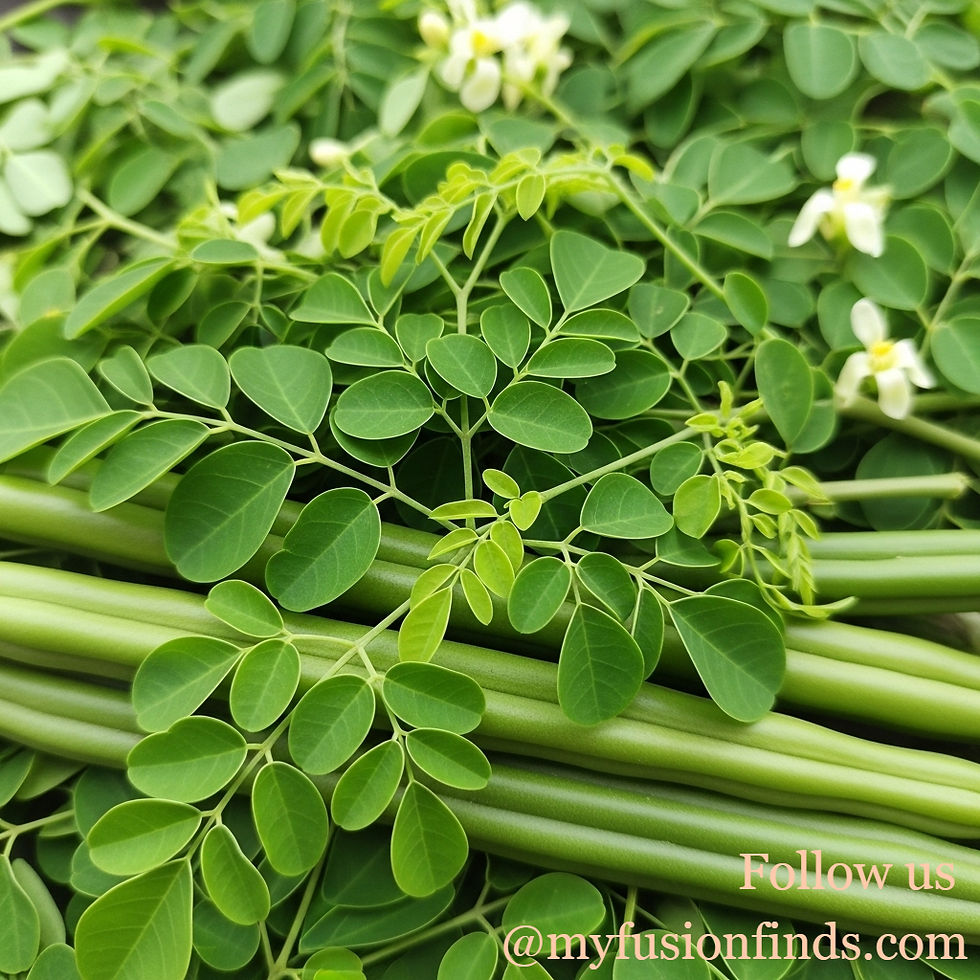
Moringa, often referred to as the "miracle tree," is renowned for its exceptional nutritional profile, which includes a plethora of vitamins, minerals, and antioxidants. This remarkable plant is not only a source of essential nutrients but also possesses anti-inflammatory, antibacterial, and antioxidant properties that contribute to its healing capabilities. The leaves, seeds, and pods of the moringa tree are all edible and can be consumed in various forms, including powders, teas, capsules, and fresh leaves, making it a versatile addition to any diet.
Adding moringa powder, tea, capsules, or fresh leaves to your diet will naturally boost your energy and guard your health from most of the diseases of our time.
By incorporating moringa into your daily routine, you may experience an increase in energy levels, improved digestion, and enhanced immune function. Its rich content of vitamins A, C, and E, along with a host of other phytonutrients, work synergistically to support overall health and vitality. Regular consumption of moringa may also help in managing blood sugar levels, reducing cholesterol, and promoting heart health. Furthermore, its potential anti-inflammatory effects can aid in alleviating symptoms associated with chronic conditions such as arthritis and asthma. In summary, embracing moringa as part of a balanced diet not only enriches your nutritional intake but also fortifies your body against a myriad of health challenges, making it a truly beneficial addition to modern lifestyles.



Comments