


How to Naturally Detoxify the Body, Liver & Kidneys

What Is Detoxification?
Detoxification is your body's own process of eliminating or neutralizing toxins through the liver, kidneys, intestines, lungs, lymphatic system, and skin. You can enhance this process through lifestyle, nutrition, and hydration.
1. Full Body Detox: Daily Habits
Best Practices:
Hydrate with water & herbal teas (2.5–3 liters/day)
Eat a fiber-rich diet (vegetables, fruits, whole grains)
Limit refined sugar, processed foods, caffeine, and alcohol
Sweat via sauna, steam, or exercise
7–8 hours of quality sleep
Deep breathing, yoga to aid lymphatic drainage
Epsom salt baths to eliminate toxins through skin
Supportive Herbs:
Dandelion

1. Dandelion Root Tea (Liver & Kidney Cleanser)
Benefits: Boosts liver cleansing, digestive aid, gentle diuretic.
Ingredients (1 serving):
1 tsp dried dandelion root or 2 tsp fresh chopped
1½ cups water
Optional: ½ tsp lemon juice, raw honey to taste
Instructions:
Boil water in a small pot.
Add dandelion root, lower heat, and simmer 8–10 minutes.
Strain into a cup, add lemon juice and honey if desired.
Milk thistle
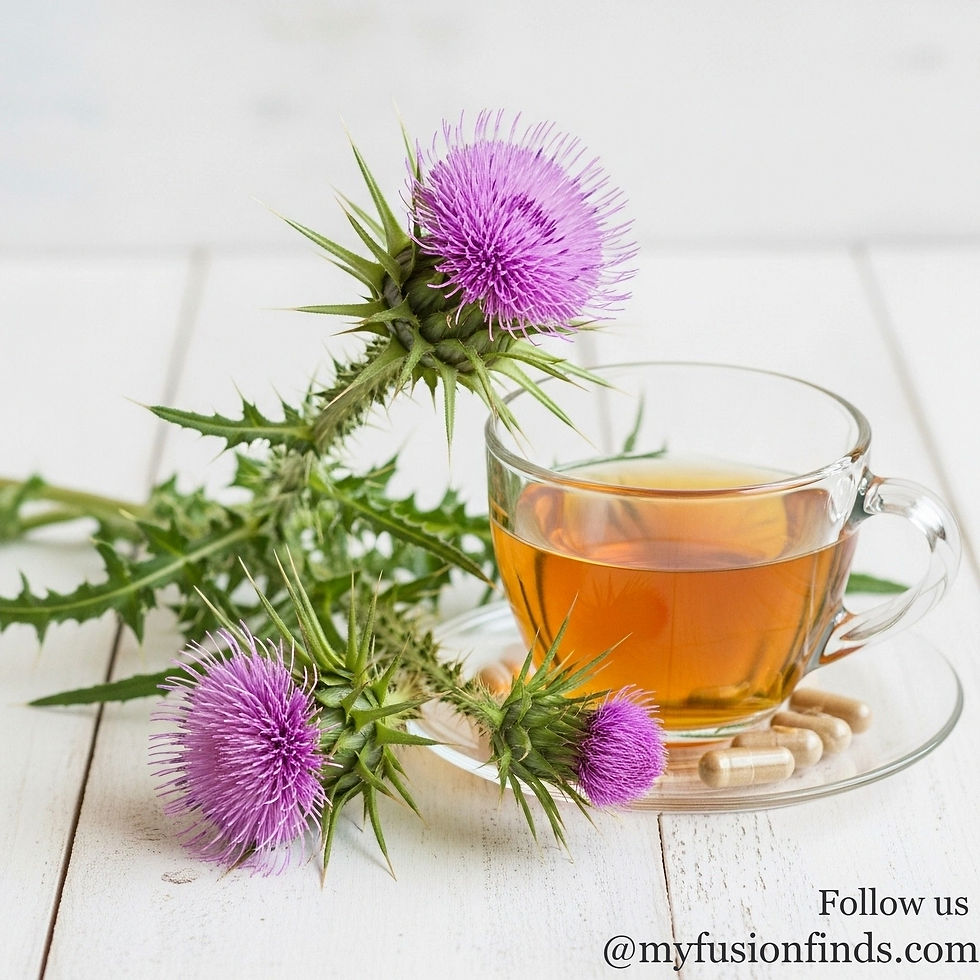
2. Milk Thistle Seed Tea (Liver Regenerator)
Benefits: Protects liver cells, supports regeneration, anti-inflammatory.
Ingredients (1 serving):
1 tsp lightly crushed milk thistle seeds
1½ cups hot water (off boil)
Optional: cinnamon stick for subtle sweetness
How to make:
Gently crush seeds with mortar & pestle.
Place seeds in teapot or cup, add hot water.
Cover and steep 15 minutes.
Strain and drink warm.
Burdock root
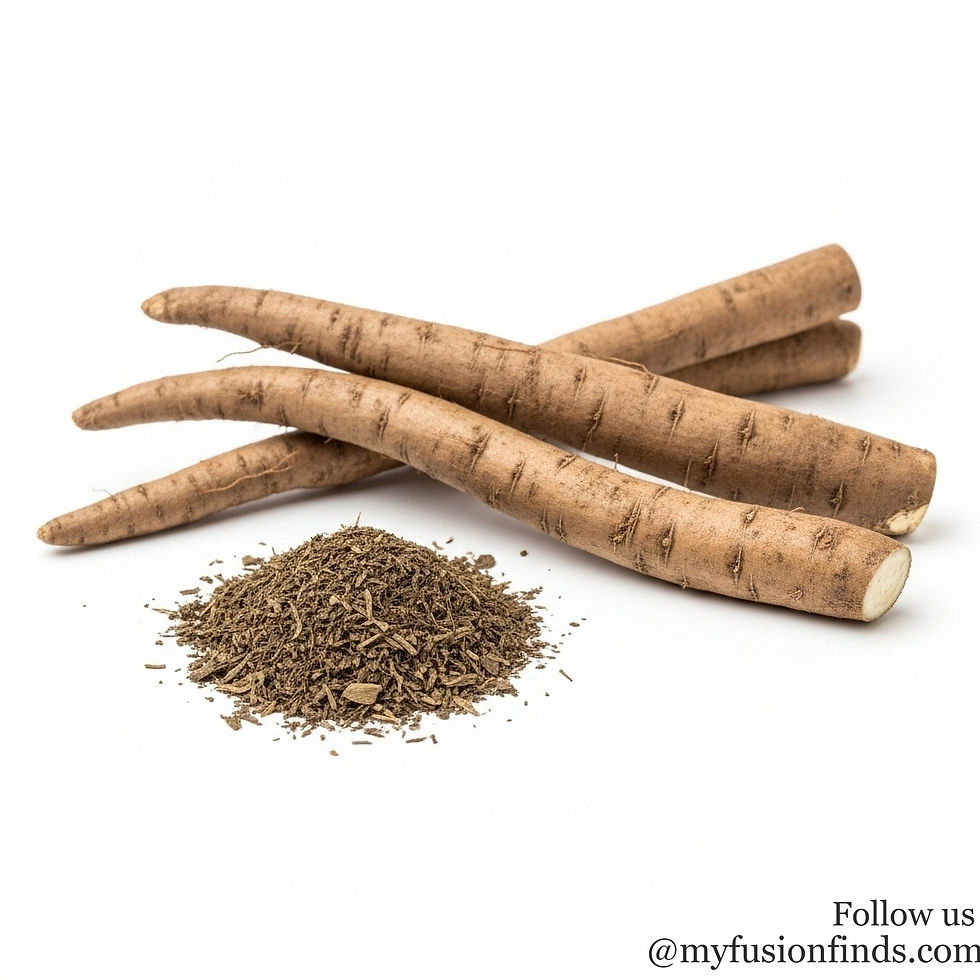
3. Burdock Root Tea (Blood & Kidney Cleanser)
Benefits: Purifies blood, supports kidney filtration, anti-inflammatory.
Ingredients (1 serving):
1 tsp dried burdock root (or 2 tsp fresh sliced)
1½ cups water
Optional: slice of fresh ginger
How to make:
Bring to a boil, add burdock root (and ginger if using).
Simmer gently for 10–12 minutes.
Strain, drink hot or warm.
Neem
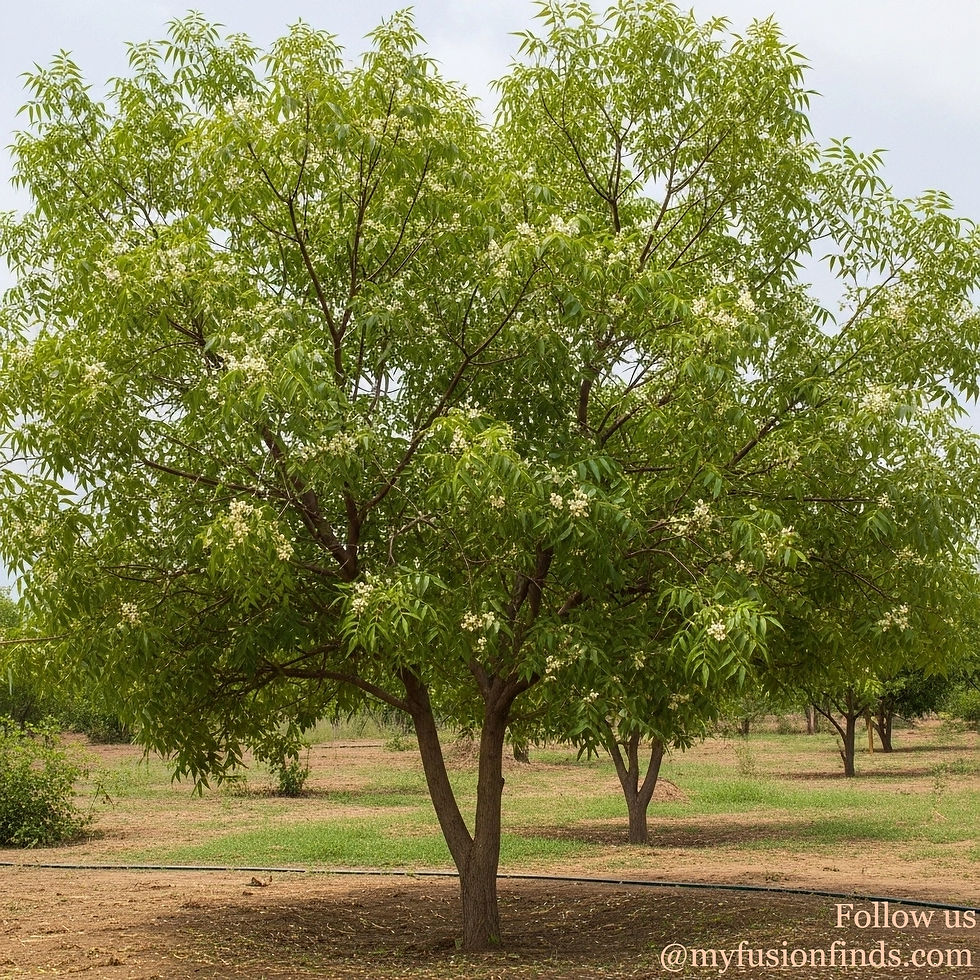
4. Neem Leaf Tea (Anti-inflammatory & Detox)
Benefits: Purifies blood, supports immune system, anti-microbial.
4–5 fresh neem leaves or ½ tsp dried powder neem leaves
1½ cups water
Optional: pinch of lemongrass or mint leaves for minimizing bitterness
Instructions:
Boil water, add neem leaves.
Simmer 5 minutes.
Strain; add mint/lemongrass if desired to minimize bitterness.
Turmeric

5. Turmeric Detox Tea (Anti-inflammatory & Liver Support)
Benefits: A strong anti-inflammatory, supports liver detox, high in antioxidants.
Ingredients (1 serving):
½ tsp turmeric powder or 1 tsp fresh grated turmeric root
Pinch of black pepper (stimulates curcumin absorption)
1½ cups water
Optional: ½ tsp grated ginger, honey, or lemon
Process:
Boil water, and add turmeric (and ginger if using).
Simmer for 5 minutes.
Strain, add black pepper, honey, or lemon before serving.
Herbal Detox Tea Usage Tips
Frequency: 1 cup a day for 5–7 days, rest.
Rotation: Cycle different teas so an herb is not overdosed on.
Medical precaution: Pregnant/nursing women, people with gallstones, liver disease, or on medication first speak with a physician.
2. Liver Detox: Revive Your Body's Master Filter
The Liver Function:
Your liver detoxifies dangerous chemicals, metabolizes drugs, processes nutrients, and filters your blood.
Top Liver Detox Foods:
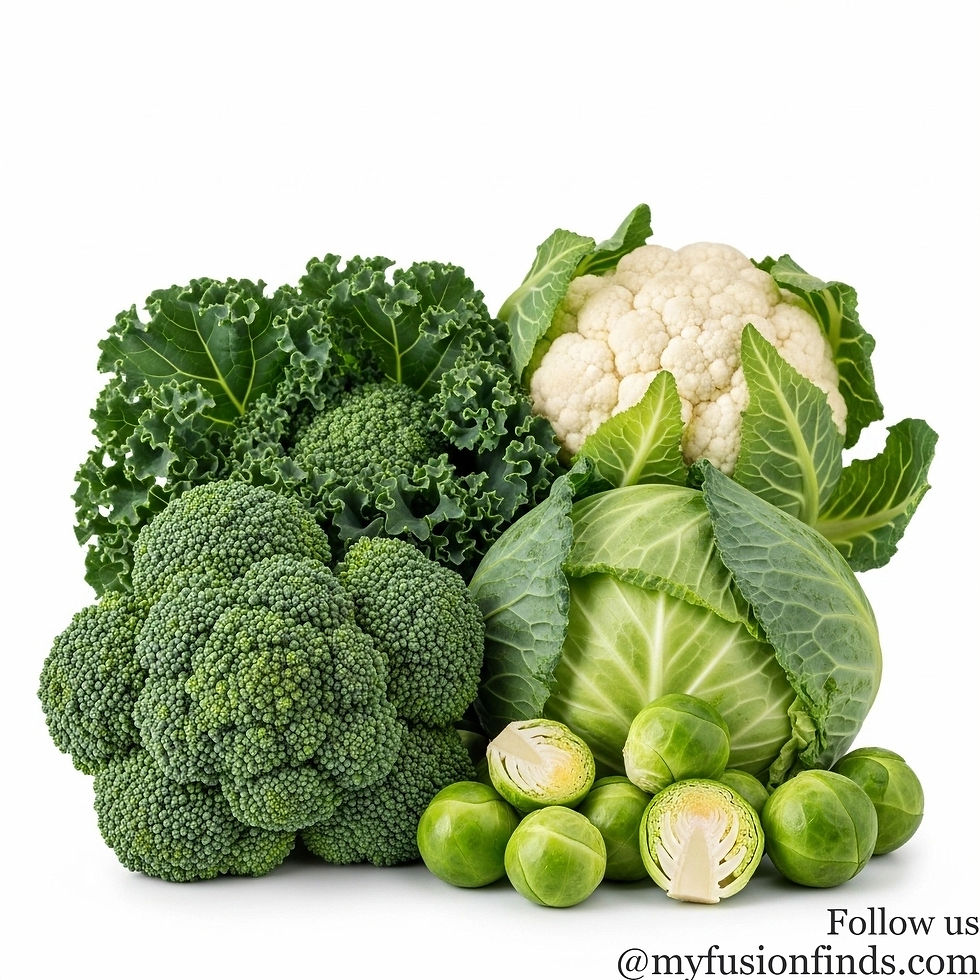
Cruciferous vegetables: Broccoli, kale, cauliflower
Leafy greens: Arugula, spinach, mustard greens
Citrus fruits: Grapefruit, orange, lemon
Beets & carrots – inflammation reduction & bile flow assist
Green tea – catechins, powerful antioxidant
Liver Supporting Herbs:
Milk Thistle: Liver cell renewal
Dandelion Root: Boosts bile production
Turmeric: Anti-inflammatory & antioxidant
Avoid:
Too much alcohol
Fried, high-fat foods
Processed meat and refined sugar
3. Kidney Detox: Cleanse Your Natural Filters
The Kidney's Function:
They filter blood, regulate minerals, control blood pressure, and get rid of waste in the form of urine.
Best Kidney-Cleansing Drinks:
Warm lemon water (morning)

Cranberry juice (unsweetened) – fights bacteria & UTIs
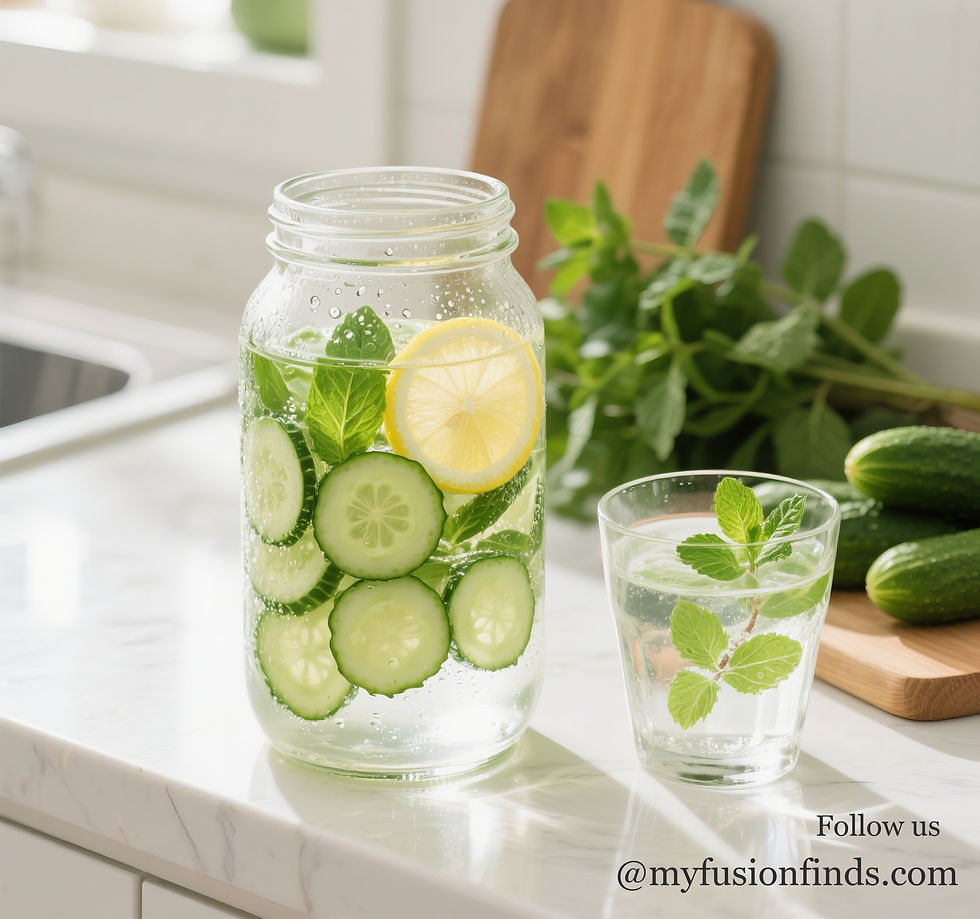
Cucumber & mint water
Barley water – Ayurvedic kidney support since ages
Parsley tea – natural diuretic
Foods That Are Beneficial for Kidneys:
Apples, blueberries, cabbage, garlic, cauliflower
Magnesium and potassium from foods in sufficient quantities (banana, avocado, spinach)
Herbs for Kidneys:
Punarnava (Boerhavia diffusa) – Ayurvedic kidney tonic
Nettle leaf – eliminates toxins
Coriander seeds – used in water for gentle detox
Avoid:
Excessive usage of NSAIDs (pain relievers like ibuprofen)
Foods containing high sodium
Excessive protein (strains kidneys)
Signs You May Need a Detox
Chronic fatigue or brain fog
Digestive issues (bloating, constipation)
Poor skin condition (acne, rashes)
Bad body odor or breath
Unexplained weight gain or inflammation
Conclusion: Gentle & Consistent Detox is Key
Your body is designed to detox on its own—but supporting it with clean nutrition, herbs, hydration, and rest can vastly improve its efficiency. No need for extreme cleanses; instead, make daily detox a lifestyle.
7-Day Gentle Detox Meal Plan
Focus: Liver, kidney, and whole-body detox using whole foods, hydration, herbs, and fiber.
Daily Morning Routine
Warm Lemon Water (1 cup with ½ lemon) – stimulates digestion and liver function
Optional: 1 tsp apple cider vinegar in warm water (before breakfast)

Meal Structure (Daily)
Meal- What to Include
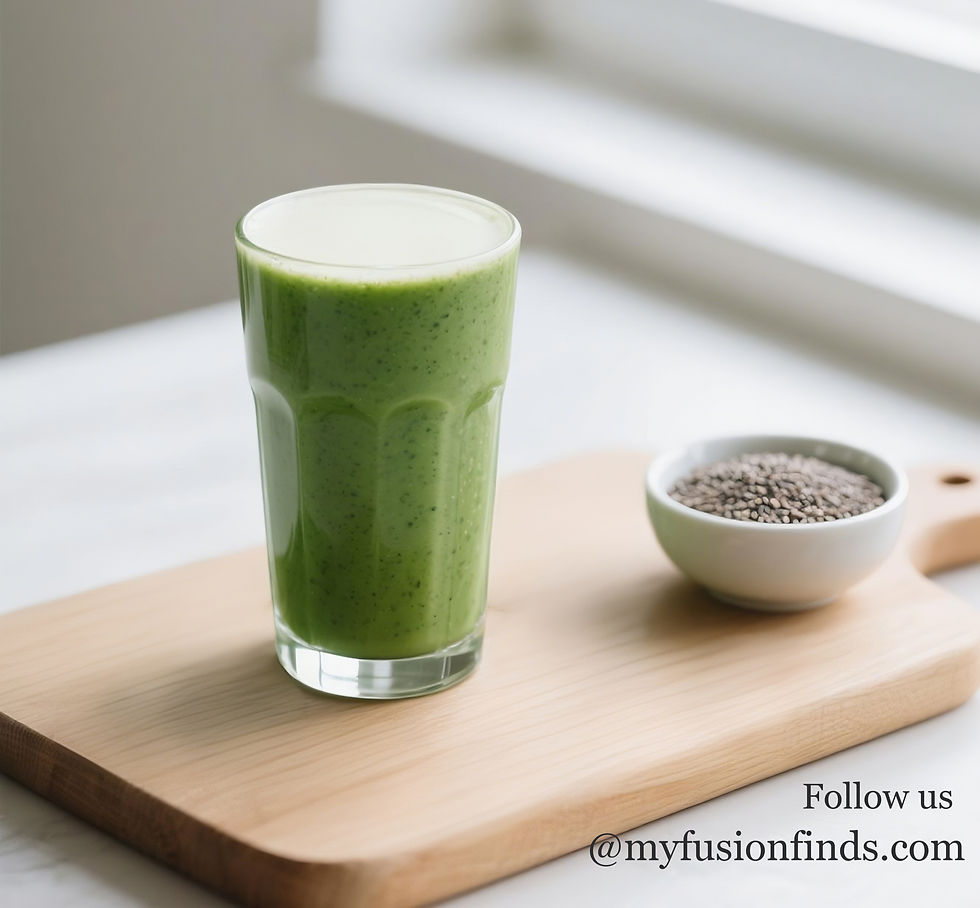
Breakfast- Smoothie with greens, berries, chia/flax seeds, plant milk or detox tea
Lunch- Steamed vegetables + quinoa/brown rice + turmeric lentils or mung dal

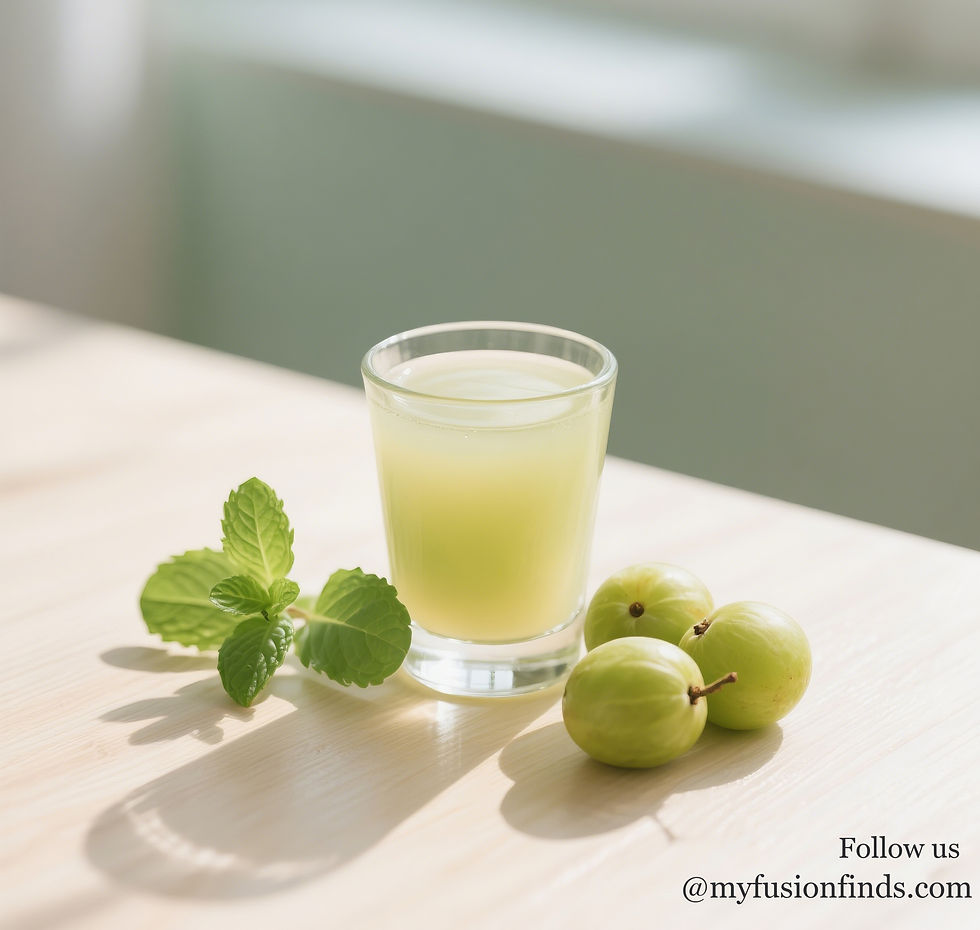
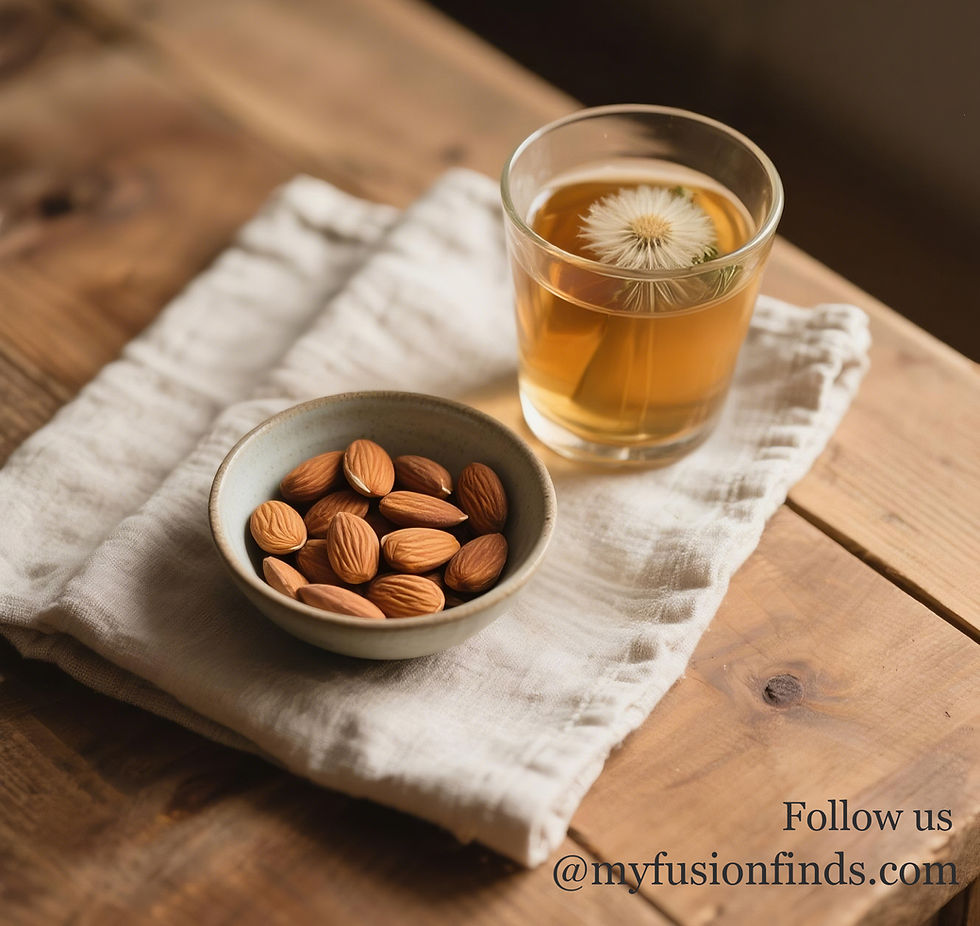
Snack Amla juice / soaked almonds / herbal tea (dandelion, tulsi, ginger)
Soaked Almonds / Herbal Tea (Dandelion, Tulsi, Ginger)
Dinner Vegetable soup or khichdi (with moong dal, cumin, ginger)
Vegetable soup
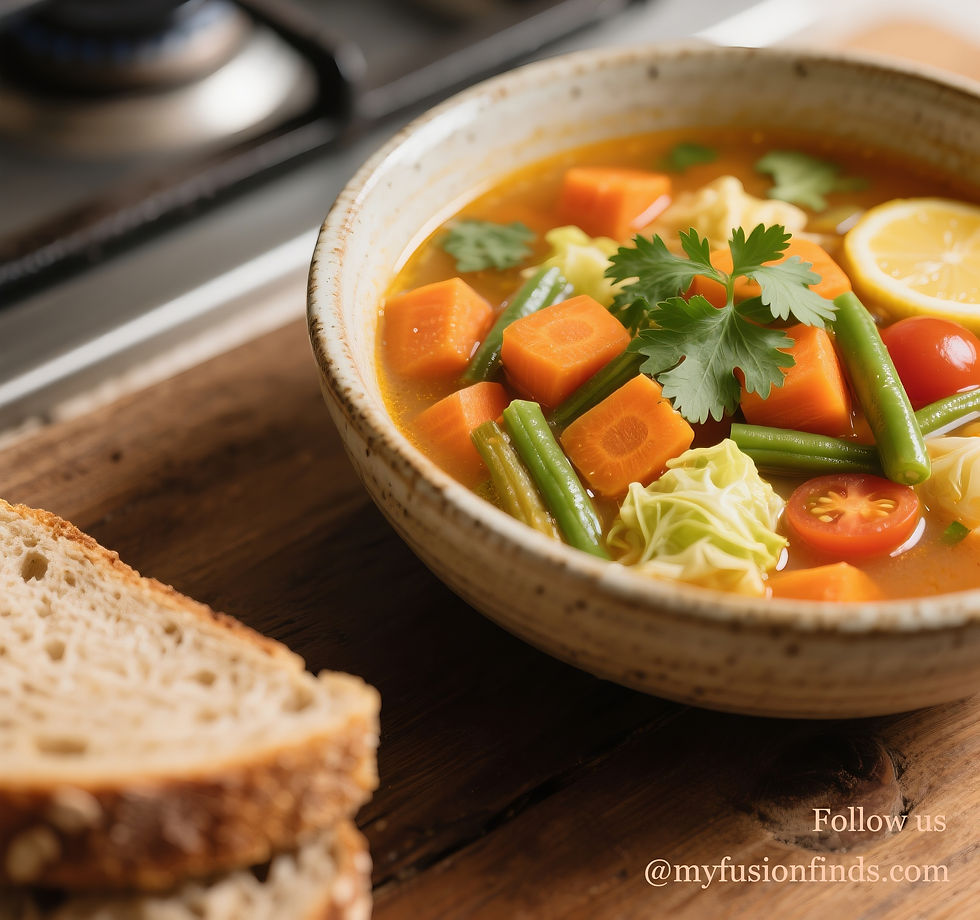
Vegetable Soup Recipe
(Serves 2-3 individuals | Light, Nutritious & Easy to Digest)
Ingredients:
1 tablespoon olive oil or ghee
1 small onion, finely chopped
2 garlic cloves, minced
1 medium carrot, diced
1 small capsicum (bell pepper), diced
½ cup cabbage, shredded
½ cup green beans, chopped
½ cup bottle gourd (lauki), diced (optional but excellent for detox)
1 small tomato, chopped
4-5 cups water or vegetable stock
Salt to taste
½ teaspoon black pepper (freshly ground)
½ teaspoon cumin powder (optional)
½ teaspoon turmeric powder (optional, for anti-inflammatory value)
Fresh coriander leaves for garnish
A squeeze of lemon (optional, for freshness)
Instructions:
1. Prepare Vegetables:
Clean and chop all the vegetables into small, uniform pieces for even cooking.
2. Sauté:
Heat olive oil or ghee in a deep pan or pot.
Add onions and garlic, sauté till soft and aromatic.
3. Cook:
Put all chopped vegetables (excluding coriander and lemon) in the pot.
Sauté for 2-3 minutes to lightly oil and spice the vegetables.
4. Season:
Include salt, black pepper, cumin powder, and turmeric powder if one is available.
Add water or vegetable stock and boil.
5. Simmer:
Lower heat once boiled, cover, and cook 15-20 minutes or until the vegetables get tender.
6. Finish:
Season to taste.
Garnish with chopped coriander leaves fresh.
Optional: Squeeze in freshly squeezed lemon juice just before serving to add a zesty flavor.
Serving Suggestions:
Serve piping hot as a snack or as a starter.
Serve with whole wheat bread or brown rice in a bowl if you want to make it more filling.
Suggestions:
You can blend the soup partially to thicken it or leave it chunky.
Add seasonal vegetables like zucchini, spinach, or sweet corn for a variety.
Include boiled moong dal, tofu cubes, or boiled chickpeas for extra protein.
khichdi
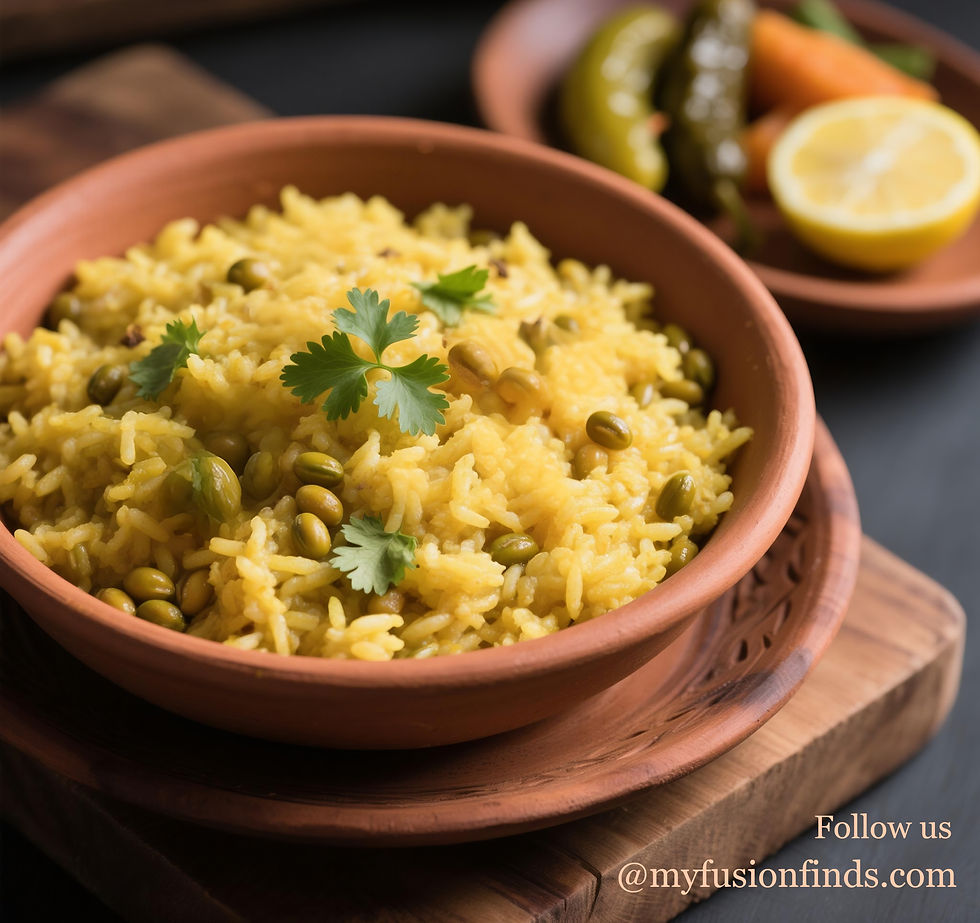
Moong Dal Khichdi Recipe
(Serves 2-3 people)
Ingredients:
½ cup split yellow moong dal (lentils)
½ cup rice (white or brown)
1 tablespoon ghee or oil
½ teaspoon cumin seeds
1 small onion (optional, finely chopped)
1 small tomato (optional, chopped)
1-inch piece ginger (grated)
1 green chili (optional, slit)
¼ teaspoon turmeric powder
Salt to taste
3-4 cups water (adjust according to desired consistency)
Fresh coriander leaves for garnish
Optional Vegetables:
½ cup diced carrots
½ cup green peas
½ cup chopped bottle gourd or spinach
Instructions:
1. Preparation:
Wash the moong dal and rice together thoroughly 2-3 times till water is clear.
Soak them in water for 15-20 minutes so that they get cooked faster.
2. Tempering:
Heat ghee or oil in a pressure cooker or heavy bottomed pan.
Add cumin seeds and let them splutter.
Optional: Add onions and sauté till they are tender.
Add grated ginger, green chili, and sauté for few seconds.
3. Cooking:
Add turmeric, soaked dal, rice, and salt. Mix well.
Add chopped vegetables if using.
Add 3-4 cups water (to make a porridge consistency, use more water).
Stir well.
4. Pressure Cooking:
Pressure cook for 3-4 medium heat whistles.
If making in a vessel, cover and let cook till dal and rice are cooked, stirring at intervals and adding water if needed.
5. Finishing Touch:
Once pressure release, open cooker, stir gently.
Adjust salt and water to get the desired consistency (thicker or soupy).
Garnish with coriander leaves.
6. Serving Suggestions:
Serve hot and topped with a spoon of ghee.
Can be had along with curd, pickle, roasted papad, or a salad.
Sample Detox Day (Day 1)
Breakfast: Spinach-berry smoothie + flaxseeds
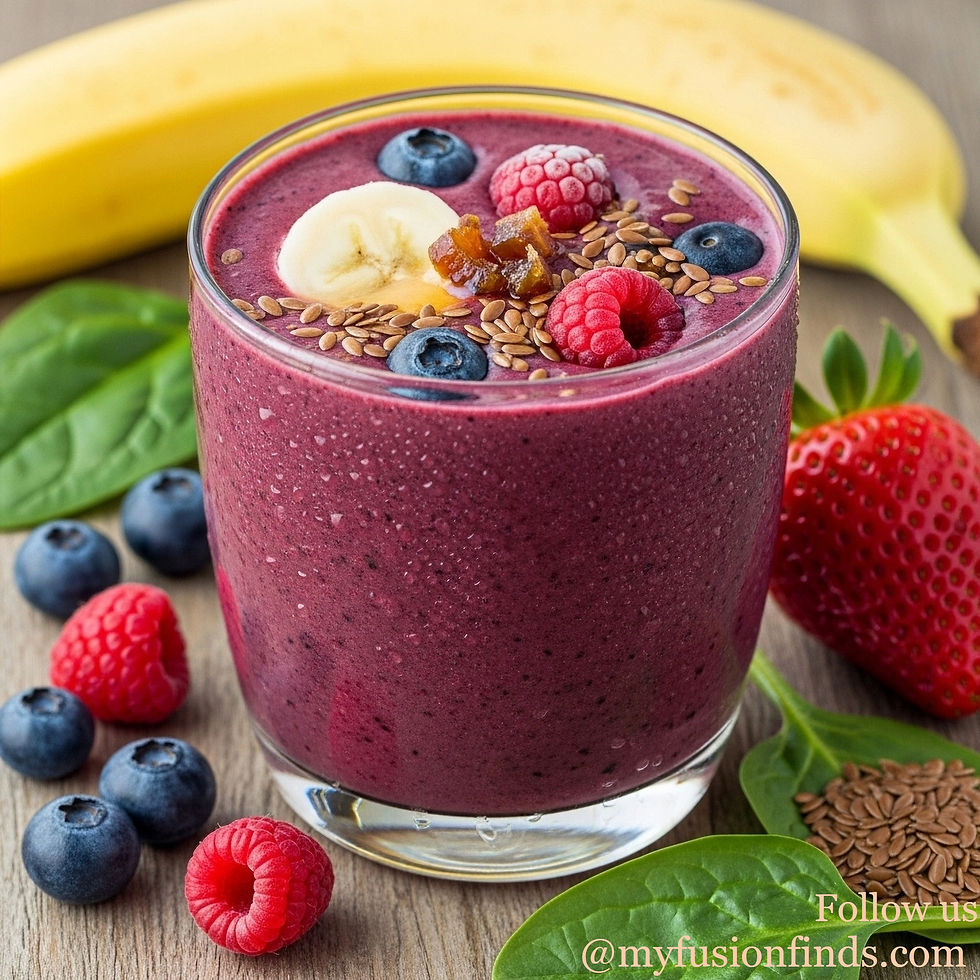
Servings: 2
Prep Time: 5 mins
Ingredients:
1½ cups fresh spinach leaves (washed)
1 cup mixed berries (blueberries, strawberries, raspberries – fresh or frozen)
1 medium banana (preferably frozen for creaminess)
1 tbsp ground flaxseeds
1½ cups unsweetened almond milk (or oat milk)
2–3 pitted dates or 1 tsp honey (optional, for sweetness)
Ice cubes (optional)
Method:
Add spinach, berries, banana, flaxseeds, and almond milk to a blender.
Blend until completely smooth and creamy.
Add honey or dates to taste, and blend if needed.
Chill and serve in tall glasses.
Lunch: Steamed broccoli, carrot, beet + quinoa + turmeric dal
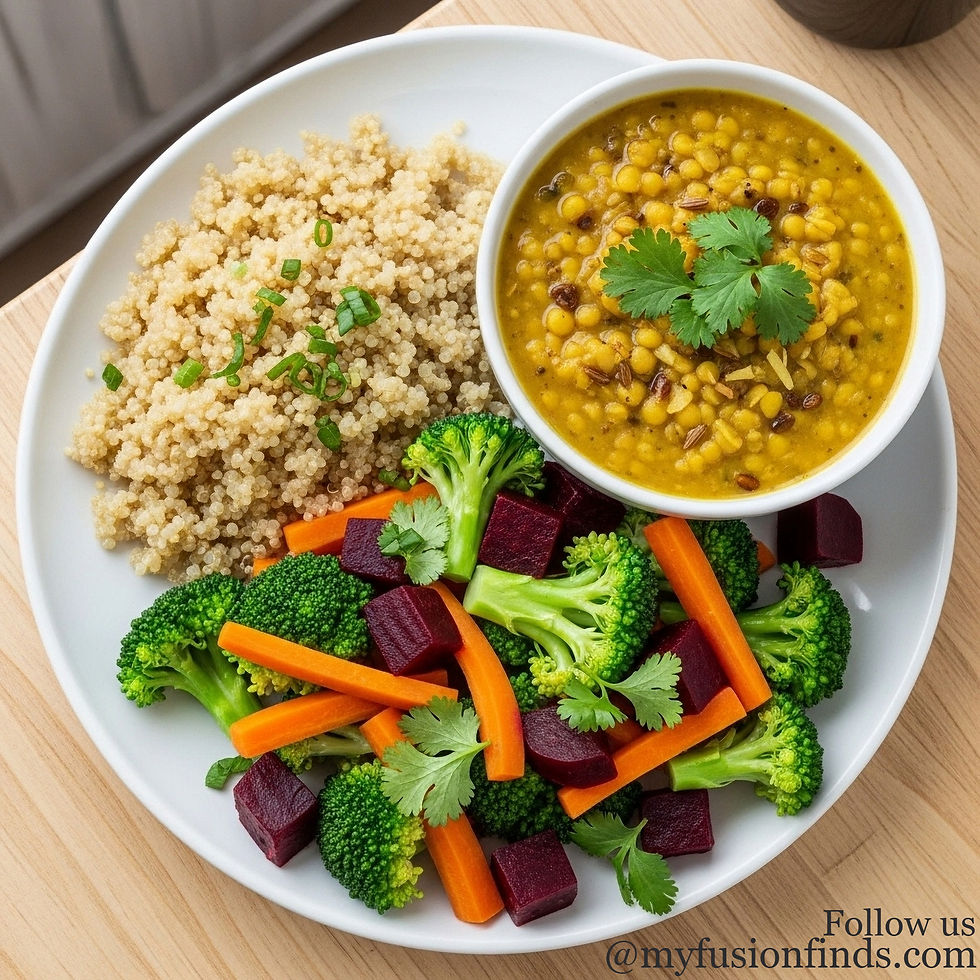
Servings: 2
Prep Time: 10 mins | Cook Time: 25 mins
Ingredients:
Steamed Veggies:
1 cup broccoli florets
1 cup carrot slices
1 cup beet cubes
Quinoa:
½ cup quinoa
1 cup water
Pinch of salt
Turmeric Dal:
½ cup yellow moong dal
2 cups water
½ tsp turmeric powder
1 tsp ghee or coconut oil
1 tsp cumin seeds
1 inch ginger, grated
Salt to taste
Fresh coriander leaves for garnish
Method
Steam Vegetables: Steam beet, carrot, and broccoli in a steamer basket over boiling water. Cover and steam 7–8 minutes until tender but still bright.
Cook Quinoa: Rinse quinoa thoroughly. Boil with water and salt until the grains open up and become fluffy (12–15 mins).
Prepare Dal: Wash moong dal and cook with water, turmeric, and salt until soft (10–12 mins in pressure cooker or 20 mins in saucepan).
Temper Dal: Heat ghee in a pan, cumin seeds and ginger, sauté for 30 seconds, then add to dal. Garnish with coriander.
Serve steamed vegetables with quinoa and turmeric dal.
Snack: Warm coriander seed tea + handful of soaked walnuts
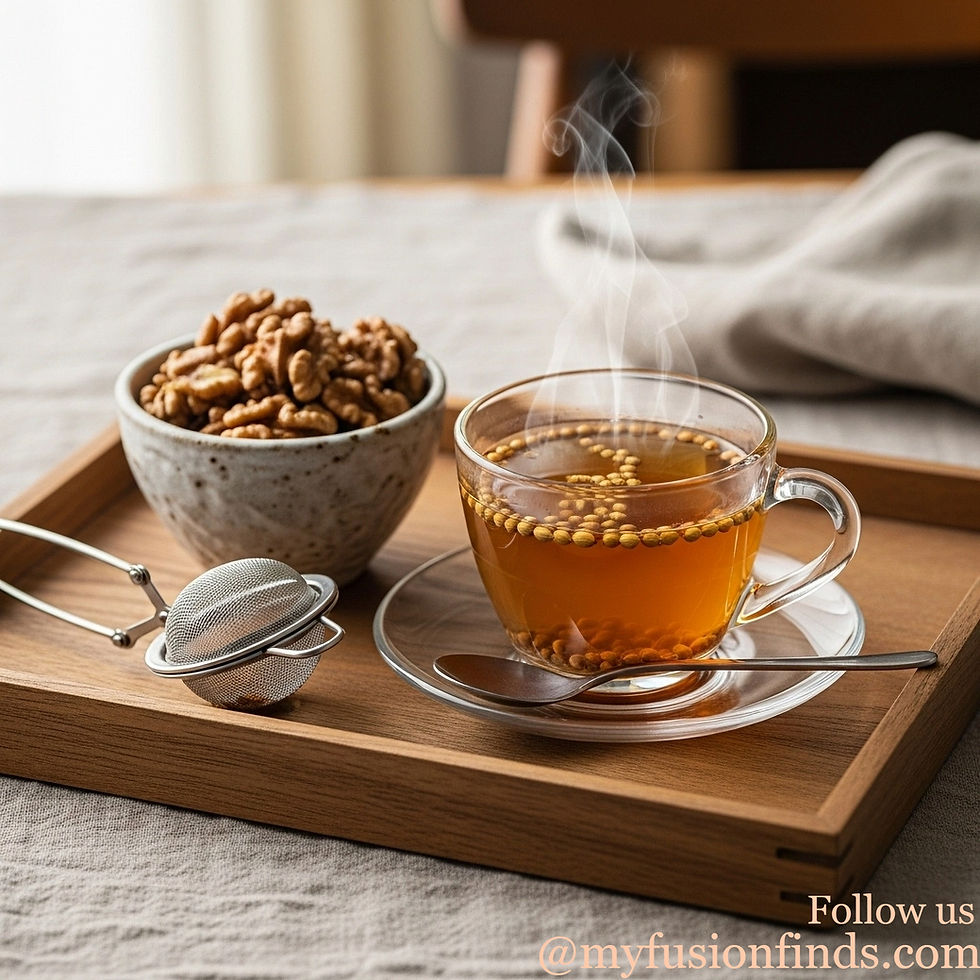
Serving Size: 1
Preparation Time: 5 minutes (plus overnight soaking of walnuts)
Ingredients:
1 tsp coriander seeds
1½ cups water
4–5 walnut halves, soaked overnight
Procedure:
Boil water, add in coriander seeds.
Simmer 5–7 minutes, pour into cup and strain.
Serve hot with soaked walnuts served on the side.
Dinner: Bottle gourd soup with herbs + small bowl of moong khichdi
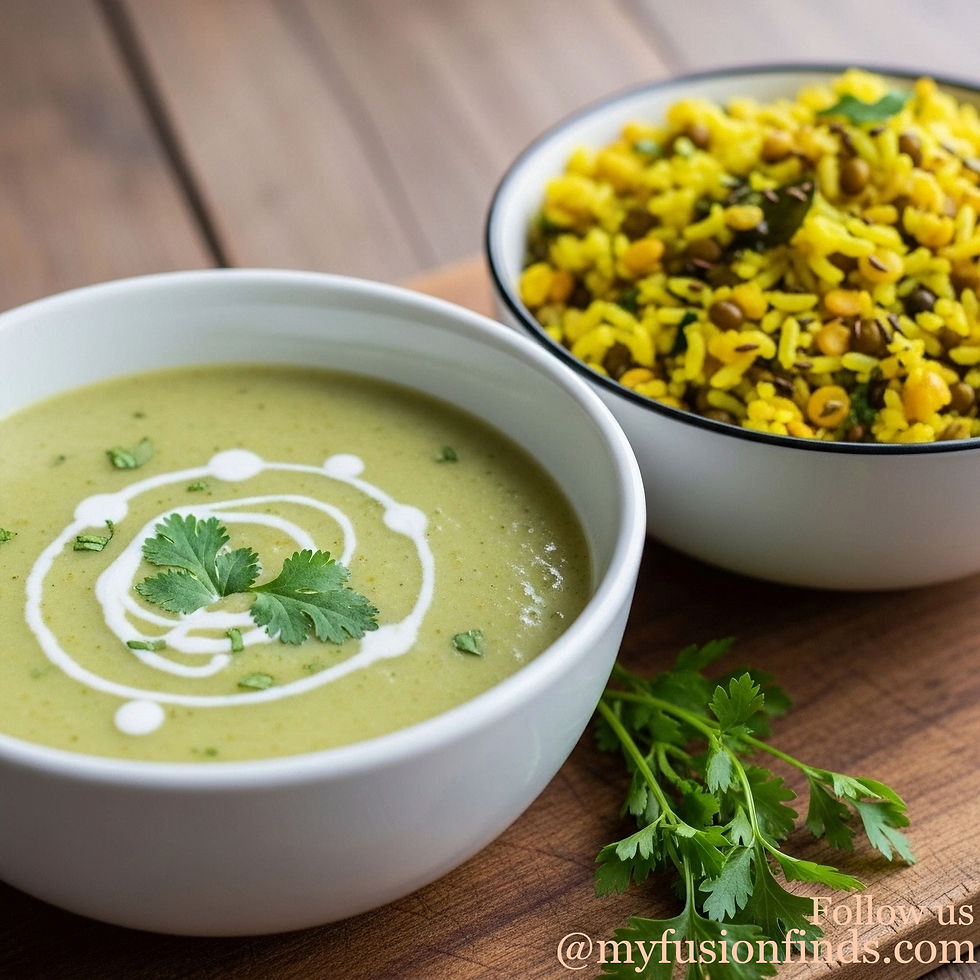
You can rotate veggies (zucchini, kale, beets, etc.), whole grains
(brown rice, millet), and proteins (lentils, tofu) throughout the week.
Top 3 Detox Drink Recipes
1. Liver Detox Tea

Ingredients:
1 tsp dried milk thistle or dandelion root
½ tsp turmeric powder
1 small slice ginger
1 cup hot water
Steep for 10 mins. Drink once a day.
2. Kidney-Cleansing Cucumber-Mint Water
Ingredients:
1 cucumber (sliced)
5–6 fresh mint leaves
1 liter water
Optional: ½ lemon sliced
Let infuse overnight and consume during the day.
3. Coriander-Seed Kidney Detox Water (Ayurvedic)

Ingredients:
1 tbsp coriander seeds
2 cups water
Boil for 5–7 minutes, strain and consume warm. Favors kidney flushing and reduces inflammation.
Tips for Success
Eliminate caffeine, sugar, refined carbs, dairy, and fried foods this detox week.
Consume 2.5–3 liters of water a day (herbal infusions counted).
Gentle stretching or walking favors circulation and lymphatic drainage.
Sleep for 7–8 hours to allow detox pathways to function effectively.





Comments