


The Healing Wonders of Bai Zhu Atractylodes Macrocephala in Traditional Medicine
- SABA

- Mar 27
- 21 min read
Introduction

Bai Zhu (白术), which is the dried rhizome of the plant Atractylodes macrocephala, holds a prominent position as a foundational herb in Traditional Chinese Medicine (TCM). This herb is revered not only for its historical significance but also for its extensive therapeutic applications. It is recognized as one of the most essential agents for strengthening the Spleen, tonifying Qi, and regulating fluid metabolism. Bai Zhu is frequently prescribed for a variety of health conditions that are associated with Spleen Qi deficiency, the accumulation of Dampness, and various digestive disorders. Its role in TCM is so critical that it has become indispensable in both classical formulations and modern herbal practices, where it is often combined with other herbs to enhance its efficacy.
Within the rich theoretical framework of TCM, the Spleen is viewed as the “root of postnatal Qi.” This concept underscores the Spleen's vital function in the transformation and transportation of food and fluids into Qi and Blood, which are essential for sustaining life and health. When the Spleen's function is compromised, a cascade of symptoms may manifest, including persistent fatigue, a poor appetite, loose stools, bloating, edema, and a pervasive sense of heaviness throughout the body. These symptoms indicate an imbalance that Bai Zhu directly addresses by reinforcing Spleen Qi while simultaneously acting to dry up pathological Dampness that can hinder the proper functioning of the digestive system. By restoring balance to the Spleen, Bai Zhu helps to alleviate these uncomfortable symptoms and promote overall well-being.
Beyond its classical applications, Bai Zhu has garnered significant attention in modern scientific research for its diverse range of therapeutic properties, including immunomodulatory, anti-inflammatory, antioxidant, hepatoprotective, and anticancer properties. Studies have demonstrated that Bai Zhu can modulate the immune response, helping the body to better defend itself against pathogens and diseases. Its anti-inflammatory effects are particularly noteworthy, as they can assist in reducing inflammation in various conditions, thereby promoting healing and recovery. The antioxidant properties of Bai Zhu contribute to its ability to combat oxidative stress, which is linked to numerous chronic diseases. Furthermore, research into its hepatoprotective effects suggests that Bai Zhu may play a role in safeguarding liver health, making it a valuable herb for those concerned with liver function and detoxification. The potential anticancer properties of Bai Zhu are also being explored, indicating its relevance in the context of integrative oncology.
This dual relevance of Bai Zhu—rooted in ancient theory yet bolstered by contemporary scientific validation—positions it as a key herb in the field of integrative medicine. Practitioners often incorporate Bai Zhu into treatment plans that address both traditional TCM principles and modern health concerns, highlighting its versatility and effectiveness in promoting health and wellness across diverse patient populations. As research continues to unfold, Bai Zhu's role in both preventive and therapeutic contexts is likely to expand, further solidifying its status as a cornerstone herb in the practice of herbal medicine.
1 . Botanical Description and Identification

Chinese name: Bai Zhu (白术)
Latin name: Atractylodes macrocephala Koidz.
Family: Asteraceae (Compositae)
Medicinal part: Rhizome
Atractylodes macrocephala is a perennial herb that is indigenous to the rich and diverse landscapes of China, with a significant concentration of cultivation occurring in the provinces of Zhejiang, Anhui, Hunan, and Jiangsu. These regions provide the ideal climate and soil conditions that favor the growth of this valuable medicinal plant. The herb typically reaches a height of approximately 30–60 cm, showcasing its robust stature. The leaves are notably large and ovate, presenting a vibrant green color that captures the eye, while the plant produces striking white to pale purple composite flowers that bloom during the summer months, adding to its visual appeal.
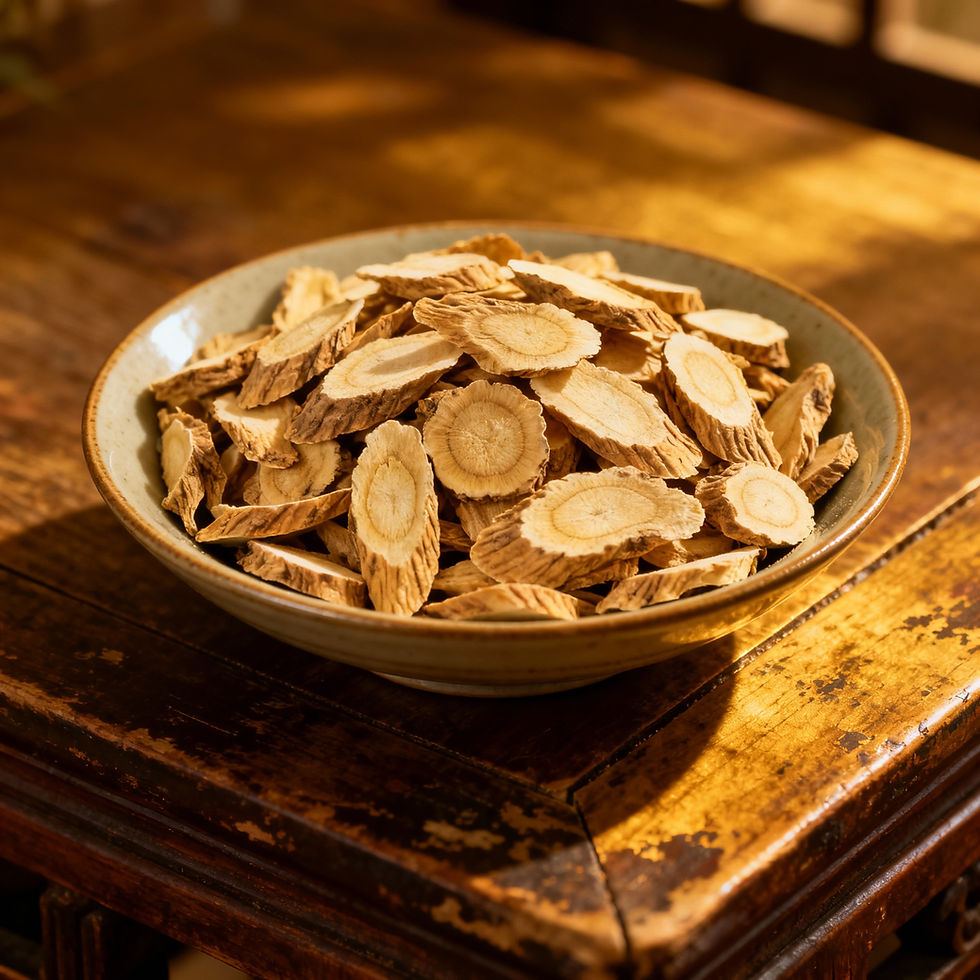
The medicinal rhizome of Atractylodes macrocephala, which is the part of the plant utilized for therapeutic purposes, is characterized by its thick, nodular structure. Internally, the rhizome displays a yellowish-white color, which is indicative of its maturity and quality. One of the most distinctive features of this rhizome is its aromatic odor, which is often described as fragrant and earthy, and it possesses a slightly bitter-sweet taste that is recognized in traditional herbal medicine. This unique flavor profile contributes to its use in various formulations.
The harvesting of the rhizome typically occurs in late autumn or winter, after the plant has been cultivated for a period of 2 to 3 years. This timing is crucial, as it allows the rhizome to accumulate the necessary active compounds that enhance its medicinal properties. Once harvested, the rhizome undergoes a meticulous cleaning process to remove any soil and impurities. After cleaning, it is sliced into smaller pieces and dried to preserve its therapeutic qualities. Additionally, various processing methods, such as stir-frying, are employed to modify and enhance its therapeutic actions, allowing practitioners to tailor its use according to specific health needs. These processing techniques can alter the bioavailability of certain compounds within the rhizome, thereby influencing its efficacy in traditional medicine.
2 .Historical Background and Classical Texts
Bai Zhu, a revered herb in traditional Chinese medicine, has been documented in Chinese medical literature for over 2,000 years, reflecting its longstanding significance and application in herbal therapies. Its earliest mention can be traced back to the Shennong Bencao Jing (Divine Farmer’s Classic of Materia Medica), a foundational text that categorizes various medicinal substances. In this ancient manuscript, Bai Zhu is classified as a superior-grade herb, a designation that underscores its high efficacy and low toxicity, making it suitable for long-term use without the risk of adverse effects. This classification not only highlights the herb’s therapeutic potential but also its safety profile, which has been a crucial factor in its enduring popularity among practitioners of traditional Chinese medicine.
Following its initial documentation, Bai Zhu's therapeutic properties and applications were further elaborated upon in several subsequent classical texts, which are essential to understanding its comprehensive role in traditional healing practices. These texts include:
Jin Gui Yao Lue (Essentials from the Golden Cabinet),
Bencao Gangmu (Compendium of Materia Medica),
Yi Zong Jin Jian (Golden Mirror of Medicine).
In these important works, Bai Zhu is described not only for its ability to strengthen the Spleen but also for its multifaceted roles in drying Dampness, stopping excessive sweating, and providing support during pregnancy by calming the fetus. The Spleen, in traditional Chinese medicine, is considered a vital organ responsible for digestion and the transformation of nutrients, and Bai Zhu is recognized as a powerful ally in enhancing its function. By improving Spleen health, Bai Zhu helps to facilitate better digestion and nutrient absorption, which are critical for overall vitality and energy levels.
Moreover, Bai Zhu's capability to dry Dampness is particularly significant in addressing conditions characterized by excess moisture in the body, which can lead to symptoms such as fatigue, digestive disturbances, and a feeling of heaviness. By eliminating this Dampness, Bai Zhu not only alleviates these symptoms but also promotes a more balanced internal environment conducive to health and well-being.
Historically, Bai Zhu has been considered an essential herb for maintaining digestive health and preventing chronic weakness, especially in individuals with a poor constitution or those who are prone to digestive issues. Its use has been particularly noted in cases where patients exhibit signs of Spleen Qi deficiency, which may manifest as fatigue, lack of appetite, and susceptibility to illness. By incorporating Bai Zhu into their treatment regimens, practitioners have long sought to bolster the body’s resilience and improve overall health outcomes.
In summary, the extensive historical documentation and the multifaceted applications of Bai Zhu in traditional Chinese medicine underscore its importance as a therapeutic agent. Its classification as a superior-grade herb and its well-documented benefits highlight its role in promoting digestive health, enhancing Spleen function, and supporting overall vitality, making it a cornerstone in the practice of herbal medicine for centuries.
3. Properties According to TCM Theory
Nature and Flavor
Nature: Warm
Flavor: Bitter, Sweet
The warm nature of Bai Zhu is pivotal in supporting Yang energy, which is essential for maintaining vitality and overall health. In Traditional Chinese Medicine (TCM), Yang is associated with warmth, activity, and the body's ability to generate energy. This warming quality is particularly beneficial for the Spleen Qi, which is responsible for the transformation and transportation of nutrients within the body. A strong Spleen Qi is vital for digestion, as it helps to convert food into energy and distribute it throughout the body. The warm nature also plays a crucial role in dispelling coldness and dampness, which can hinder digestive processes and lead to various health issues.
When it comes to flavor, Bai Zhu exhibits both bitter and sweet characteristics. The bitter flavor is known for its ability to dry Dampness, a condition often associated with sluggishness and heaviness in the body. By eliminating excess dampness, Bai Zhu helps to promote clearer digestion and enhance the overall metabolic function. On the other hand, the sweet flavor is renowned for its tonifying properties, which serve to nourish and harmonize the body's systems. This duality of flavors allows Bai Zhu to balance the digestive process, making it an invaluable herb in TCM for promoting both energy and well-being.
Meridian Entry
Spleen
Stomach
The meridian associations of Bai Zhu with both the Spleen and Stomach further elucidate its profound impact on digestive health. The Spleen meridian is intricately linked to the body's ability to process food and extract essential nutrients, while the Stomach meridian is responsible for the initial stages of digestion. Bai Zhu's entry into these specific meridians signifies its role in enhancing digestive efficiency, promoting proper fluid metabolism, and ensuring optimal energy production.
By supporting the Spleen, Bai Zhu helps to strengthen the digestive system, making it more resilient against external pathogens and internal imbalances. This herb aids in the prevention of conditions such as bloating and fatigue that often arise from a weak Spleen Qi. Additionally, its influence on the Stomach meridian helps to regulate appetite and improve the overall digestive experience, ensuring that the body can effectively utilize the nutrients from food. The synergistic effects of Bai Zhu on these meridians underscore its importance as a key herb in the realm of TCM, particularly for those seeking to enhance their digestive health and overall vitality.
4.Core Functions and Therapeutic Benefits
41 Strengthens Spleen Qi and Improves Digestion
Bai Zhu, known scientifically as Atractylodes macrocephala, is one of the most vital herbs in Traditional Chinese Medicine (TCM) for tonifying Spleen Qi. Its primary role involves enhancing the Spleen's intrinsic ability to transform food and fluids into essential Qi and Blood, which are crucial for maintaining overall vitality and health. The Spleen is considered the center of digestion in TCM, and when its function is impaired, it can lead to various health issues.
Clinical manifestations addressed include:
Chronic fatigue, which often leaves individuals feeling drained and lacking energy.
Poor appetite, where individuals may struggle to consume adequate nutrition, further exacerbates their health issues.
Abdominal distension is characterized by a feeling of fullness or swelling in the abdomen, often accompanied by discomfort.
Weak limbs, indicating a lack of strength and vitality, possibly due to insufficient Qi and Blood supply.
Pale complexion, which can be a sign of underlying deficiencies in Qi and Blood, reflecting overall health status.
Modern research supports this traditional function by demonstrating that Bai Zhu stimulates gastric secretions, regulates intestinal motility, and improves nutrient absorption. These mechanisms collectively support energy metabolism and enhance digestive efficiency, which is essential for sustaining the body's overall well-being.
4.2 Dries Dampness and Regulates Fluid Metabolism
A defining characteristic of Bai Zhu is its remarkable ability to dry internal Dampness while simultaneously strengthening the Spleen. This dual action effectively addresses both the root causes and the manifestations of various diseases related to fluid imbalance. In TCM, Dampness is often viewed as a pathological condition that can hinder the body's normal functions.
Indications include:
Loose stools or diarrhea, which can lead to dehydration and nutrient deficiencies.
Bloating and heaviness, often felt as discomfort in the digestive region, indicate poor digestive function.
Edema and water retention, which can manifest as swelling in various parts of the body, especially in the lower extremities.
Sluggishness and brain fog, where individuals may experience a lack of mental clarity and energy, affect their daily activities.
By improving the Spleen’s transportive function, Bai Zhu plays a crucial role in preventing the accumulation of pathological fluids and promoting balanced water metabolism. This balance is essential for maintaining optimal health and preventing the onset of chronic conditions.
4.3 Treats Diarrhea Due to Spleen Deficiency
Bai Zhu is recognized as a primary herb for addressing chronic diarrhea caused by Spleen Qi deficiency. In this condition, the intestines struggle to properly absorb fluids, leading to frequent and unformed stools. This can significantly impact an individual's quality of life and nutritional status.
It is especially effective when diarrhea is:
Chronic, lasting for an extended period, often leading to fatigue and muscle weakness.
Worse after eating, indicating a direct correlation between food intake and digestive distress.
Accompanied by fatigue and weakness, which can further diminish the person's energy levels and overall health.
In such cases, Bai Zhu works not only to alleviate the symptoms but also to strengthen intestinal tone and restore normal bowel function. This restorative effect is crucial as it addresses the underlying issue rather than merely suppressing symptoms, promoting long-term health and wellness.
4.4 Stops Spontaneous Sweating and Stabilizes the Exterior
Qi deficiency often leads to spontaneous sweating, a condition where the body's defensive Qi, or Wei Qi, fails to secure the pores effectively. This can result in excessive perspiration, which further depletes Qi and causes discomfort. Bai Zhu plays a significant role in strengthening Qi and stabilizing the exterior, thereby reducing excessive sweating and preventing further Qi depletion.
4.5 Calms the Fetus During Pregnancy
In the realm of TCM gynecology, Bai Zhu is traditionally employed to stabilize pregnancy when fetal restlessness is attributed to Spleen Qi deficiency. This application highlights the herb's importance not just for general health but specifically for women's health during pregnancy.
Symptoms include:
Vaginal spotting, which can be a concerning sign during pregnancy, requires careful management.
Fatigue, which is common during pregnancy, can be exacerbated by Spleen Qi deficiency.
Weak digestion during pregnancy can lead to nutritional challenges that can affect both the mother and the developing fetus.
When prescribed appropriately and under professional supervision, Bai Zhu nourishes Qi and supports uterine stability, contributing to a healthier pregnancy experience. Its ability to calm the fetus and promote overall maternal health underscores its significance in TCM and holistic approaches to pregnancy care.
5. Modern Pharmacological Research
5.1 Active Constituents
The primary bioactive compounds in Bai Zhu, a traditional herbal remedy known for its numerous health benefits, include a variety of active constituents that play crucial roles in its pharmacological properties. These compounds are extensively studied for their therapeutic potential and include:
Atractylenolide I, II, and III: These are three distinct forms of atractylenolide, which are sesquiterpene lactones. Atractylenolide I has been shown to possess anti-inflammatory properties, while Atractylenolide II is noted for its potential to enhance cognitive function and mitigate oxidative stress. Atractylenolide III, on the other hand, has demonstrated effects on gastrointestinal health, aiding in digestion and reducing bloating.
Polysaccharides: The polysaccharides derived from Bai Zhu are complex carbohydrates that have garnered attention for their immunomodulatory effects. These compounds not only serve as a source of energy but also play a significant role in enhancing the immune system's functionality, making them vital in the context of health and disease management.
Sesquiterpenoids: This class of compounds is known for its diverse biological activities, including anti-inflammatory, antimicrobial, and antioxidant effects. The sesquiterpenoids in Bai Zhu contribute to its efficacy in traditional medicine, particularly in treating conditions related to inflammation and infection.
Volatile oils: The volatile oils extracted from Bai Zhu are responsible for its characteristic aroma and are thought to possess therapeutic properties. These oils may have calming effects, aiding in stress reduction and promoting overall well-being, which aligns with the traditional uses of Bai Zhu in herbal practice.
Collectively, these compounds contribute to Bai Zhu's diverse therapeutic effects, making it a valuable resource in modern pharmacological research, as well as in traditional medicine practices.
5.2 Immunomodulatory Effects
Extensive studies have shown that Bai Zhu polysaccharides play a significant role in modulating the immune system. The following are specific immunomodulatory effects that have been documented in various research settings:
Activate macrophages: Bai Zhu polysaccharides have been found to stimulate macrophages, which are vital components of the immune system. This activation enhances the ability of macrophages to engulf and destroy pathogens, thereby increasing the body's defense mechanisms against infections.
Enhance natural killer (NK) cell activity: Research indicates that Bai Zhu can boost the activity of NK cells, which are crucial for the innate immune response. By enhancing the cytotoxic effects of these cells, Bai Zhu helps the body to better combat tumor cells and virally infected cells, providing a protective effect against various diseases.
Improve immune resilience: The overall impact of Bai Zhu on the immune system extends to improving resilience against stressors that could compromise immune function. This is particularly significant in individuals recovering from illness or those experiencing chronic fatigue, as it supports a more robust and responsive immune system.
These effects support its traditional use for fatigue, recurrent illness, and post-illness recovery, highlighting the importance of Bai Zhu in both historical and contemporary health practices. The ongoing research into these immunomodulatory effects continues to validate and expand upon the traditional applications of Bai Zhu, paving the way for its integration into modern therapeutic protocols.
5.3 Anti-inflammatory and Antioxidant Actions
Recent research has provided compelling evidence that Bai Zhu, a well-known herb in traditional medicine, possesses significant anti-inflammatory and antioxidant properties. These properties are primarily attributed to its ability to reduce the levels of inflammatory cytokines and oxidative stress markers in the body. This reduction not only alleviates symptoms associated with inflammation but also plays a crucial role in the management and prevention of various health conditions. As a result, Bai Zhu is increasingly recognized for its therapeutic potential in several clinical scenarios, including:
Chronic inflammatory conditions: Conditions such as rheumatoid arthritis, lupus, and chronic obstructive pulmonary disease (COPD) are characterized by persistent inflammation. Bai Zhu has been shown to mitigate the inflammatory response, thereby providing relief to patients suffering from these debilitating diseases. Its ability to modulate immune responses can help in reducing pain and improving overall quality of life for individuals with chronic inflammation.
Gastrointestinal disorders: Many gastrointestinal disorders, including inflammatory bowel disease (IBD) and irritable bowel syndrome (IBS), are linked to inflammation and oxidative stress. Bai Zhu's anti-inflammatory effects can help soothe the gastrointestinal tract, reduce symptoms such as bloating and discomfort, and promote a healthier gut environment. Additionally, its antioxidant properties may protect the intestinal lining from oxidative damage, further supporting digestive health.
Metabolic dysfunction: Metabolic disorders, such as obesity and type 2 diabetes, are often associated with chronic low-grade inflammation and oxidative stress. By reducing these factors, Bai Zhu may contribute to improved metabolic health. Studies suggest that its consumption can enhance insulin sensitivity and regulate blood sugar levels, making it a valuable addition to dietary strategies aimed at managing metabolic dysfunctions.
5.4 Anticancer Potential
In addition to its anti-inflammatory and antioxidant actions, Bai Zhu also exhibits promising anticancer potential, primarily attributed to the bioactive compounds known as atractylenolides. Experimental studies have highlighted several mechanisms through which these compounds may exert their anticancer effects, making them a focal point of research in oncology. The key findings from recent investigations suggest that atractylenolides may:
Induce apoptosis in gastric and colorectal cancer cells: Apoptosis, or programmed cell death, is a crucial mechanism that prevents the proliferation of cancer cells. Atractylenolides have been observed to trigger apoptosis specifically in gastric and colorectal cancer cell lines, which are among the most common and deadly forms of cancer. By promoting this natural cell death pathway, these compounds may help in reducing tumor size and preventing metastasis.
Inhibit tumor proliferation: In addition to inducing apoptosis, atractylenolides have shown the ability to inhibit the growth and proliferation of cancer cells. This is achieved through various pathways, including the disruption of cell cycle progression and the inhibition of key signaling pathways that are essential for tumor growth. By halting the proliferation of cancer cells, these compounds can significantly contribute to cancer management strategies.
Enhance sensitivity to chemotherapy (adjunctive use): One of the major challenges in cancer treatment is the development of resistance to chemotherapy drugs. Atractylenolides have been found to enhance the sensitivity of cancer cells to certain chemotherapeutic agents, making them more effective. This adjunctive use of Bai Zhu in combination with conventional chemotherapy could potentially improve treatment outcomes, reduce the required dosages of chemotherapy, and minimize side effects for patients undergoing cancer treatment.
5.5 Gastrointestinal and Microbiota Regulation
Recent research highlights Bai Zhu’s multifaceted role in enhancing gastrointestinal health and regulating gut microbiota. This traditional herbal remedy, known for its various therapeutic properties, has garnered attention for its specific effects on the gut microbiome, which plays a crucial role in overall health and disease prevention.
Modulating gut microbiota: Bai Zhu has been shown to positively influence the composition and diversity of gut microbiota. Studies indicate that it promotes the growth of beneficial bacteria while inhibiting pathogenic strains. This modulation is essential for maintaining a balanced gut environment, which is crucial for effective digestion, nutrient absorption, and immune function. By fostering a healthy microbiota, Bai Zhu may help in preventing gastrointestinal disorders such as irritable bowel syndrome and inflammatory bowel disease.
Protecting intestinal mucosal integrity: The integrity of the intestinal mucosa is vital for preventing the translocation of harmful substances and pathogens into the bloodstream. Bai Zhu contributes to the strengthening of the intestinal barrier by enhancing the production of mucins and tight junction proteins. This protective mechanism not only helps in maintaining the structural integrity of the gut lining but also plays a significant role in reducing the risk of gastrointestinal infections and inflammation.
Reducing colitis severity: In various experimental models, Bai Zhu has been shown to alleviate colitis severity, a condition characterized by inflammation of the colon. By modulating inflammatory cytokines and promoting anti-inflammatory pathways, Bai Zhu can significantly reduce the symptoms of colitis, including abdominal pain, diarrhea, and rectal bleeding. This therapeutic effect makes it a potential candidate for adjunctive treatment strategies in managing inflammatory bowel diseases.
5.6 Hepatoprotective Effects
Bai Zhu demonstrates notable liver-protective actions, primarily through the regulation of the TLR4/NF-κB signaling pathway. This pathway is crucial in mediating the body's inflammatory response and is often activated in liver diseases characterized by inflammation and oxidative stress. By modulating this pathway, Bai Zhu helps to mitigate inflammation in hepatic tissue, thereby reducing the risk of liver damage.
Research indicates that Bai Zhu not only decreases inflammation but also combats oxidative damage, which is a significant contributor to liver cell injury. The antioxidant properties of Bai Zhu are believed to scavenge free radicals, thus protecting hepatocytes from oxidative stress. This dual action of reducing inflammation and oxidative damage positions Bai Zhu as a promising therapeutic agent for conditions such as fatty liver disease, hepatitis, and other hepatic disorders.
Furthermore, Bai Zhu's hepatoprotective effects may extend to improving liver function parameters, enhancing liver regeneration, and promoting overall metabolic health. Its ability to support liver detoxification processes further underscores its importance in traditional medicine and modern therapeutic applications.
6.Clinical Applications and Classical Formulas
6.1 Common Classical Formulas
Si Jun Zi Tang – This classical formula is primarily indicated for individuals suffering from Spleen Qi deficiency, which may manifest as symptoms such as fatigue, poor appetite, and a tendency to develop digestive issues. The formula is composed of four key herbs: Ren Shen (Ginseng), Bai Zhu (Atractylodes), Fu Ling (Poria), and Zhi Gan Cao (Honey-fried Licorice). Together, these herbs work synergistically to strengthen the Spleen's ability to transform and transport nutrients, thereby enhancing overall energy levels and improving digestive function. Clinically, Si Jun Zi Tang is often used in conjunction with dietary recommendations and lifestyle changes to optimize patient outcomes.
Shen Ling Bai Zhu San – This formula is particularly effective for addressing chronic diarrhea associated with Dampness. It combines the principles of strengthening the Spleen while simultaneously resolving Dampness. The formulation includes Shen Ren (Sheng Jiang), Bai Zhu, Fu Ling, and several other supportive herbs that help to stabilize and tonify the digestive system. Patients with symptoms such as loose stools, fatigue, and a feeling of heaviness often find relief with this formula, which not only addresses the immediate symptoms but also aims to restore balance to the Spleen's function over time.
Shi Quan Da Bu Tang – This comprehensive tonic is designed for those experiencing both Qi and Blood deficiency. It is especially beneficial for individuals who exhibit signs of weakness, pallor, and general fatigue. The formula includes a variety of herbs such as Ren Shen, Huang Qi (Astragalus), and Dang Gui (Angelica Sinensis), which are well-known for their nourishing properties. Shi Quan Da Bu Tang is often employed in clinical settings to support recovery in patients who have undergone surgery, experienced significant blood loss, or are dealing with chronic illnesses that deplete their energy and vitality.
6.2 Modern Clinical Uses
Functional dyspepsia – In contemporary practice, classical formulas like Si Jun Zi Tang are frequently utilized to manage functional dyspepsia, a condition characterized by discomfort or pain in the upper abdomen without any identifiable organic cause. By enhancing digestive function and relieving symptoms, these formulas help patients regain their quality of life.
Irritable bowel syndrome (diarrhea type) – Shen Ling Bai Zhu San is often applied in treating the diarrhea-predominant type of irritable bowel syndrome (IBS). The formula's ability to strengthen the Spleen while addressing Dampness can lead to significant improvements in bowel regularity and overall digestive health for those suffering from this common gastrointestinal disorder.
Chronic fatigue – Shi Quan Da Bu Tang has gained recognition for its role in managing chronic fatigue syndrome. By nourishing both Qi and Blood, this formula supports energy levels and helps alleviate the debilitating symptoms associated with fatigue, allowing individuals to engage more fully in daily activities.
Edema – In cases of edema, particularly when related to Spleen deficiency, formulas like Shen Ling Bai Zhu San can be beneficial. They help to promote fluid metabolism and reduce swelling, thus addressing both the symptoms and the underlying causes of edema.
Immune weakness – Classical formulas are increasingly being explored for their potential to bolster the immune system. Shi Quan Da Bu Tang, with its nourishing properties, can be particularly effective for individuals who frequently experience colds or infections due to a weakened immune response. By enhancing the body's resilience, these formulas contribute to a more robust defense against pathogens.
7. Dosage and Preparation
Forms of Administration
Decoction: This traditional method involves boiling the herbal material in water to extract its active constituents. Decoctions are often preferred for their ability to release the full spectrum of beneficial compounds, making them particularly effective for certain herbal remedies.
Powder: Herbal powders are created by grinding dried herbs into a fine consistency. This form allows for easy incorporation into foods or beverages, and it can be consumed directly or mixed with other substances. Powders are often used for their rapid absorption and convenience.
Granules: Granulated herbs are pre-prepared extracts that have been processed into small, soluble granules. They offer the advantages of convenience and precise dosing, making it easier for individuals to consume the required amount without the need for extensive preparation.
Capsules: Herbal capsules are a popular choice for those who prefer a tasteless and easy-to-swallow option. They provide a precise dosage and protect the herbal content from degradation, ensuring that the active ingredients remain effective until they reach the digestive system.
Tinctures: A tincture is a concentrated liquid extract made by soaking herbs in alcohol or vinegar. This method extracts a wide range of phytochemicals and allows for easy administration in small doses. Tinctures are often favored for their long shelf life and potency.
Typical Dosage
6–12 grams daily (decoction): This dosage range is commonly recommended for individuals looking to benefit from the therapeutic properties of the herb when prepared as a decoction. It is important to note that the exact dosage may vary based on individual health conditions, age, and specific health goals, and it is advisable to consult with a qualified healthcare practitioner for personalized recommendations.
Processing
Chao Bai Zhu (stir-fried Bai Zhu) is a specific preparation method that enhances the Spleen-tonifying effects of the herb while simultaneously reducing its potential for excessive dryness. This process involves lightly frying the Bai Zhu in a pan, which alters its properties and makes it more suitable for individuals who may be sensitive to the drying effects of raw herbs. The stir-frying process also enhances the herb's flavor and aroma, making it more palatable.
8. Safety, Contraindications, and Precautions
Bai Zhu, a well-regarded herb in traditional Chinese medicine, is generally considered safe when utilized appropriately and in accordance with professional guidance. However, there are specific circumstances under which caution is advised to prevent adverse effects and ensure the well-being of the individual. It is crucial to understand these contraindications and precautions to maximize the therapeutic benefits of Bai Zhu while minimizing potential risks.
Yin deficiency with Heat signs: Individuals exhibiting symptoms of Yin deficiency, which may include dryness, night sweats, and a red tongue, should approach the use of Bai Zhu with caution. This is particularly important if there are accompanying Heat signs, such as a sensation of warmth, irritability, or a rapid pulse. In such cases, Bai Zhu may exacerbate the condition by further depleting Yin, leading to an imbalance that could result in increased discomfort or health complications.
Pronounced dryness: Bai Zhu possesses a drying nature, making it potentially unsuitable for individuals experiencing pronounced dryness in their bodily systems. Symptoms of pronounced dryness can manifest as dry skin, dry mouth, or constipation. In these situations, the use of Bai Zhu could worsen the dryness and lead to further complications, such as digestive issues or skin problems. It is advisable to consider alternative herbs that nourish and hydrate rather than exacerbate the condition.
Qi stagnation with abdominal distension: Individuals suffering from Qi stagnation, particularly when accompanied by abdominal distension, should exercise caution when using Bai Zhu. This herb is known for its ability to tonify Qi and support digestion; however, if Qi stagnation is present, it may lead to an imbalance that could result in discomfort or exacerbation of symptoms. Therefore, a thorough assessment by a qualified practitioner is essential to determine the appropriate course of action.
Furthermore, it is critical to recognize that long-term use of Bai Zhu should be monitored closely, especially in individuals who exhibit signs of internal Heat. Prolonged consumption without proper oversight can lead to an accumulation of Heat in the body, potentially resulting in adverse health effects. Regular consultations with a healthcare provider can help ensure that the use of Bai Zhu remains beneficial and does not lead to imbalances.
Additionally, the use of Bai Zhu during pregnancy is a matter that requires particular attention and should occur only under qualified practitioner guidance. Although Bai Zhu has been traditionally utilized to calm the fetus and support overall pregnancy health, its effects can vary depending on the individual's unique constitution and health status. Thus, pregnant individuals are strongly advised to seek the counsel of a qualified healthcare professional before incorporating Bai Zhu into their regimen to ensure both maternal and fetal safety.
9. Comparison with Related Herbs
Herb | Primary Action | Key Difference |
Bai Zhu | Tonifies Spleen, dries Damp | Balanced tonic-drying |
Cang Zhu | Strongly dries Damp | More drying, less tonic |
Dang Shen | Tonifies Qi | No Damp-drying action |
Conclusion
Bai Zhu (Atractylodes macrocephala) is widely recognized as one of the most vital herbs within the framework of Traditional Chinese Medicine (TCM). This esteemed herb is particularly effective in addressing the fundamental pathology associated with Spleen Qi deficiency and Dampness accumulation. In TCM, the Spleen is considered crucial for the transformation and transportation of nutrients, and when its Qi is deficient, it can lead to a range of health issues. Bai Zhu is renowned for its remarkable ability to strengthen digestion, enhance the body’s fluid regulation, bolster the immune system, and stabilize various physiological functions. These properties highlight its central role in both preventive and therapeutic care, making it indispensable for maintaining overall health and well-being.
In addition to its traditional applications, Bai Zhu is supported by an expanding body of modern scientific research, which validates and enhances our understanding of its therapeutic potential. Studies have demonstrated that Bai Zhu possesses anti-inflammatory, antioxidant, and immunomodulatory effects, further illustrating its multifaceted benefits. This herb exemplifies the successful integration of classical herbal wisdom with contemporary biomedical understanding, bridging the gap between ancient practices and modern health care approaches. When prescribed according to the principles of proper pattern differentiation in TCM, Bai Zhu can provide profound benefits not only for digestive health but also for overall vitality and systemic balance.
Moreover, Bai Zhu is often utilized in conjunction with other herbs to create synergistic effects, enhancing its therapeutic efficacy. For instance, it is frequently combined with herbs that invigorate the Spleen and eliminate Dampness, such as Poria and Ginger, to create a more comprehensive treatment strategy. This synergistic use allows practitioners to tailor herbal formulas to meet the specific needs of individual patients, addressing unique health concerns while promoting holistic healing.
Furthermore, Bai Zhu's role in modern health practices extends beyond its traditional applications. It is increasingly being recognized for its potential in supporting metabolic health, particularly in relation to weight management and glucose metabolism. As research continues to unfold, the implications of Bai Zhu in the realm of chronic disease prevention and overall health optimization become ever more significant. The herb's ability to harmonize bodily functions and enhance resilience against various stressors underscores its value in both traditional and contemporary health paradigms.


Comments