


Exploring the Unique Flavors of Different Types of Sauces

1. Guacamole (Mexican Avocado Sauce)

Ingredients:
2 ripe avocados
1 small onion (finely chopped)
1 tomato (chopped)
1 lime (juice)
Salt
Fresh cilantro
Instructions:
Begin by selecting ripe avocados, which should yield slightly to gentle pressure when squeezed. Carefully cut each avocado in half lengthwise, being cautious of the large pit in the center. Once halved, gently twist the two halves apart to separate them. Using a spoon, carefully scoop out the pit, ensuring that you do not damage the flesh of the avocado. After removing the pit, take a spoon and scoop the creamy avocado flesh into a mixing bowl, making sure to get every last bit for maximum flavor and texture.
Next, take a fork and begin mashing the avocado. Depending on your preference, you can mash it to a chunky consistency with small pieces remaining for added texture, or you can continue mashing until it reaches a completely smooth and creamy state. This step is crucial as it determines the overall mouthfeel of your guacamole, so take your time to achieve the desired consistency that you enjoy.
Once you have the avocado mashed to your liking, it’s time to enhance the flavor profile by adding fresh ingredients. Finely chop some red onion, juicy ripe tomatoes, and fresh cilantro leaves. The onion adds a nice crunch and sharpness, the tomato brings sweetness and moisture, and the cilantro contributes a burst of freshness. Gently fold these ingredients into the mashed avocado, ensuring that they are evenly distributed throughout the mixture for a harmonious blend of flavors.
Next, pour in freshly squeezed lime juice to add a zesty brightness that balances the richness of the avocado. The acidity of the lime juice not only enhances the flavor but also helps to prevent the avocado from browning too quickly. Following this, sprinkle in a pinch of salt, which is essential for bringing out the natural flavors of the ingredients. Adjust the amount of salt according to your taste preferences, as it can significantly impact the overall flavor of your guacamole.
Finally, mix everything gently with a spatula or spoon, being careful not to over-mix, as you want to maintain some texture in the guacamole. After mixing, take a moment to taste your creation. This is the perfect time to adjust the seasoning; if you feel it needs more lime juice or salt, don’t hesitate to add a little more to achieve the perfect balance of flavors. Once satisfied, your guacamole is ready to be served!
Best with: tacos, grilled chicken, chips, or as a delightful topping for your favorite dishes, adding a creamy texture and vibrant flavor that enhances any meal.
2. Pesto Sauce (Italian Classic)

Ingredients:
1 cup fresh basil
2 tbsp pine nuts (or almonds)
2 garlic cloves
½ cup olive oil
½ cup grated parmesan
Salt
Instructions:
Begin by adding a generous handful of fresh basil leaves to the blender. The vibrant green color and aromatic scent of basil will form the base of your mixture. Next, include a variety of nuts; pine nuts are traditional for pesto, but you can also experiment with walnuts or almonds for a unique flavor twist. Finally, add a couple of cloves of garlic, peeled and roughly chopped, to infuse the mixture with a robust and savory depth.
With all the ingredients in the blender, start the blending process at a low speed. As the basil, nuts, and garlic begin to break down, gradually drizzle in high-quality extra virgin olive oil. This step is crucial, as the slow addition of olive oil will help to emulsify the mixture, creating a creamy and cohesive texture. Continue blending until the ingredients are well combined and the mixture starts to come together.
Once you achieve a good base, it’s time to enhance the flavor profile by adding freshly grated Parmesan cheese. The cheese will not only impart a rich, nutty flavor but also contribute to the pesto's creaminess. Sprinkle in a pinch of salt to taste to help elevate the overall flavor. Feel free to adjust the amount of salt based on your preference or dietary needs.
Blend the mixture again, this time watching closely to determine the desired consistency. You can choose to blend it until completely smooth for a classic pesto texture, or stop blending earlier for a slightly chunky version that adds a bit of texture and bite to your dishes. The choice is yours, and both variations can be delightful depending on how you plan to use the pesto.
Best with: pasta, sandwiches, chicken, or as a flavorful dip for fresh vegetables and crusty bread. This versatile pesto can elevate a simple dish into a gourmet experience, making it a must-have in your culinary repertoire.
3. Garlic Butter Sauce

Ingredients:
100g butter
3 garlic cloves
1 tbsp parsley
Salt
Instructions:
Melt butter on low heat, allowing it to gradually transform from solid to liquid. This gentle heating process is crucial as it ensures that the butter does not brown or burn, which could impart a bitter flavor to the final dish. Use a heavy-bottomed saucepan or skillet for even heat distribution, and keep a close eye on it as it melts, stirring occasionally to promote uniform melting.
Add minced garlic to the melted butter and cook gently, stirring continuously to prevent it from burning. The goal here is to infuse the butter with the aromatic qualities of the garlic without allowing it to turn golden or charred. Garlic can turn bitter if overcooked, so aim for a fragrant and translucent appearance, which typically takes only a minute or two over low heat.
Add a pinch of salt to enhance the flavors and balance the richness of the butter. The salt will also help to draw out the natural sweetness of the garlic. Freshly chopped parsley can be added at this stage, providing a vibrant green color and a fresh, herbaceous note that complements the richness of the butter and the pungency of the garlic. This combination not only adds flavor but also a touch of visual appeal to your dish.
Stir the mixture well to ensure that the garlic, salt, and parsley are evenly distributed throughout the butter. Once everything is well combined, serve the warm garlic butter immediately. It can be drizzled over your choice of protein or used as a dipping sauce. The warmth of the butter will help to release the flavors, making it a delightful addition to any meal.
Best with: steak, chicken, seafood. This garlic butter sauce enhances the natural flavors of grilled or pan-seared meats, making it an excellent companion for a juicy steak, tender chicken, or succulent seafood. The rich, buttery texture combined with the aromatic garlic and fresh parsley elevates any dish, making it a favorite for both casual dinners and special occasions.
4. Lemon Butter Sauce (Restaurant Style)

Ingredients:
50g butter
1 garlic clove
2 tbsp lemon juice
Salt & pepper
Instructions:
Begin by melting a generous amount of butter in a medium-sized pan over low to medium heat, allowing it to slowly liquefy without burning. The butter should become a rich, golden color, which will enhance the flavor profile of the dish.
Once the butter has fully melted, add freshly minced garlic to the pan. Stir the garlic gently, allowing it to sauté for a brief period, typically around 30 seconds to a minute. This step is crucial as it helps to release the aromatic oils from the garlic, infusing the butter with a delightful garlicky essence. Be careful not to let the garlic brown too much, as this can lead to a bitter taste.
Next, introduce freshly squeezed lemon juice into the pan. The acidity of the lemon juice will provide a bright contrast to the richness of the melted butter, creating a balanced flavor. Use a whisk or a spoon to mix the ingredients thoroughly, ensuring that the lemon juice is evenly distributed throughout the butter and garlic mixture. This combination will create a vibrant sauce that is both refreshing and savory.
Finally, season the mixture according to your taste preferences. Common seasonings may include salt, freshly cracked black pepper, and perhaps a pinch of red pepper flakes for a bit of heat. After seasoning, allow the sauce to simmer lightly for a few minutes. This gentle simmering will help the flavors meld together beautifully, resulting in a harmonious sauce that enhances the overall dish.
Best with: fish, chicken, pasta, or drizzled over steamed vegetables for an added touch of flavor and richness. This versatile sauce can elevate a simple meal into a gourmet experience, making it a must-try for any home cook
to impress.
5. Buffalo Sauce (American Spicy Style)

Ingredients:
½ cup hot sauce
¼ cup butter
1 tsp garlic powder
1 tsp vinegar
Instructions:
Begin by placing a medium-sized pan over low to medium heat. Once the pan is warm, add a generous amount of unsalted butter, allowing it to melt slowly. It is important to keep an eye on the butter to prevent it from browning too much, as we want it to remain a rich, creamy texture that will serve as the base for our sauce.
Once the butter has completely melted and is bubbling gently, it’s time to introduce the hot sauce. Choose your preferred variety, whether it be a classic cayenne-based sauce or a more robust, flavorful option. Pour the hot sauce into the melted butter and stir vigorously with a whisk or wooden spoon to ensure that the two ingredients are thoroughly combined. The goal is to create a smooth emulsion that balances the richness of the butter with the spiciness of the sauce.
Next, sprinkle in a measured amount of garlic powder, which will infuse the sauce with a savory depth. Garlic powder is a convenient option, but feel free to use fresh minced garlic if you prefer a more intense flavor. Afterward, add a splash of vinegar—white vinegar or apple cider vinegar works well—to introduce an acidic note that will brighten the overall flavor profile. Stir the mixture again to ensure that all ingredients are well incorporated, creating a cohesive and flavorful sauce.
Allow the sauce to simmer gently for about 2 to 3 minutes. This simmering process is crucial as it helps to meld the flavors together, allowing the heat from the hot sauce to permeate the butter and the garlic powder to soften, enhancing its aroma. Keep the heat low to avoid boiling, as this can alter the texture of the sauce. Stir occasionally to prevent any sticking or burning at the bottom of the pan, ensuring a smooth and velvety consistency.
Best with: wings, fried chicken, or as a zesty drizzle over roasted vegetables for an extra kick of flavor.
6. Teriyaki Sauce (Japanese Style)

Ingredients:
½ cup soy sauce
¼ cup sugar or honey
2 tbsp mirin (or vinegar)
1 tsp ginger
1 garlic clove
Instructions:
Begin by gathering all necessary ingredients and adding them to a suitable pan. Ensure that you have measured your ingredients accurately to achieve the desired flavor profile. This may include a variety of seasonings, liquids, and any other components that will contribute to the overall taste of the dish. The choice of the pan is also crucial; a heavy-bottomed pan is recommended to distribute heat evenly and prevent sticking.
Once all ingredients are in the pan, place it over medium heat and bring the mixture to a gentle boil. This step is important as it allows the flavors to meld together effectively. Keep an eye on the mixture to ensure it does not boil too vigorously, as this can lead to uneven cooking or burning. Stir occasionally to help integrate the ingredients and avoid any sticking to the bottom of the pan.
After reaching a gentle boil, reduce the heat to low and allow the mixture to simmer. During this simmering process, the liquid will gradually evaporate, and the sauce will begin to thicken. It is essential to monitor the simmer closely, stirring occasionally to prevent any ingredients from settling at the bottom and scorching. This step can take some time, but patience is key, as it allows the flavors to deepen and intensify, resulting in a more robust sauce. Simmer until the sauce reaches a slightly thickened consistency, which should coat the back of a spoon.
Once the desired thickness is achieved, remove the pan from the heat and allow the mixture to cool before using it in your dishes. Cooling is an important step, as the sauce will thicken even more as it cools down. This can be particularly beneficial if you plan to use it as a glaze or a marinade, as a thicker consistency will adhere better to your proteins or vegetables. Make sure to store any leftover sauce in an airtight container in the refrigerator to preserve its freshness.
Best with: chicken, stir-fry, rice, and a variety of vegetables for a well-rounded meal. This sauce can elevate the flavors of your dishes, making them more enjoyable and satisfying.
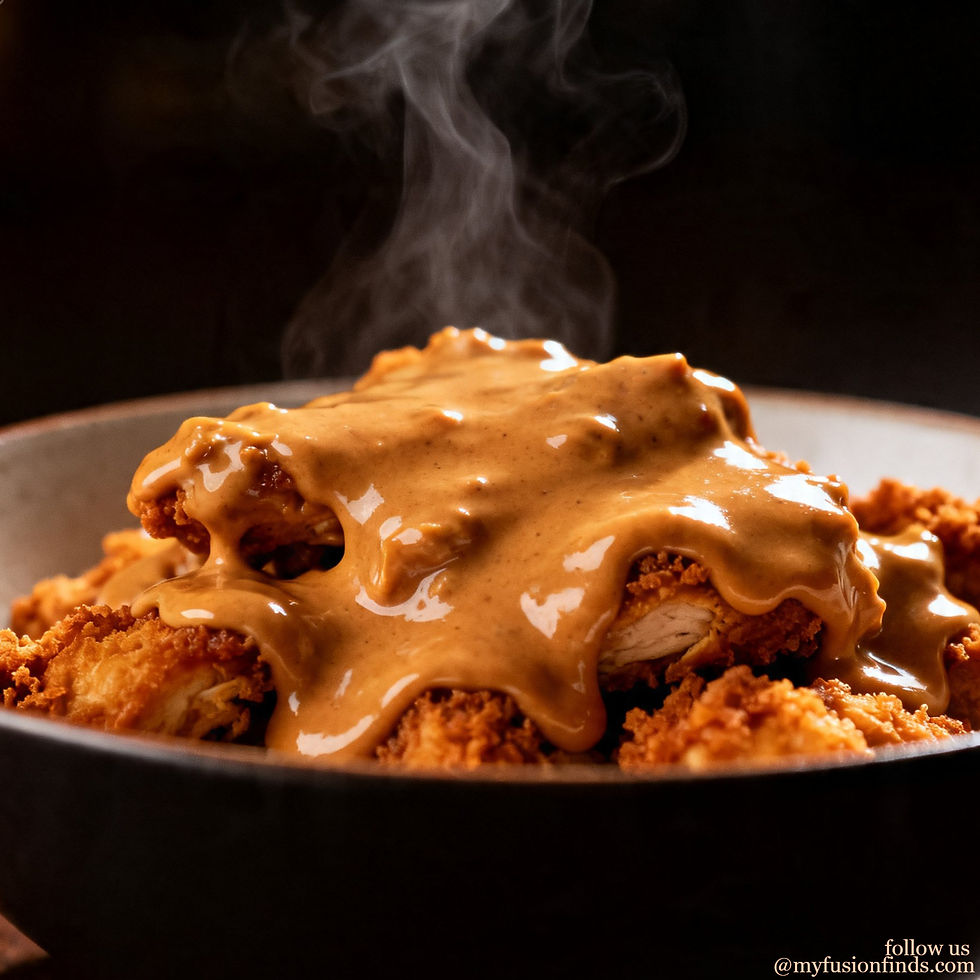
7. Peanut Sauce (Thai Style)
Ingredients:
½ cup peanut butter
1 tbsp soy sauce
1 tbsp lime juice
1 tsp honey
½ cup warm water
Instructions:
Begin by taking a generous scoop of creamy or crunchy peanut butter and placing it into a medium-sized mixing bowl. The choice between creamy and crunchy peanut butter will depend on your personal preference and the texture you desire for your sauce. Creamy peanut butter will yield a smoother consistency, while crunchy peanut butter will add a delightful texture to the mix.
Next, carefully measure and mix in equal parts of soy sauce, freshly squeezed lime juice, and honey. The soy sauce will introduce a savory umami flavor, while the lime juice adds a zesty brightness that balances the richness of the peanut butter. The honey serves as a natural sweetener, enhancing the overall flavor profile of the sauce. Stir these ingredients together thoroughly to ensure they are well incorporated, creating a harmonious blend of tastes.
As you continue to stir the mixture, gradually add warm water in small increments. This step is crucial, as the warm water will help to thin out the sauce, making it easier to achieve your desired consistency. It's important to add the water slowly, as this allows you to control the thickness of the sauce. Keep stirring continuously to ensure that the water is evenly distributed throughout the mixture, preventing any lumps from forming.
Continue mixing until the sauce achieves a smooth and creamy texture. The goal is to create a velvety sauce that can easily coat your chosen dishes without being overly thick or runny. Once you reach the desired consistency, taste the sauce and adjust the flavors if necessary. You might want to add a little more lime juice for acidity, a dash more soy sauce for saltiness, or additional honey for sweetness, depending on your personal taste preferences.
Best with: chicken skewers, noodles. This peanut sauce pairs exceptionally well with grilled chicken skewers, providing a rich and flavorful dip that enhances the savory notes of the meat. Additionally, it can be drizzled over warm noodles, creating a deliciously satisfying meal that is both quick to prepare and packed with flavor.
8. Mushroom Cream Sauce

Ingredients:
1 cup mushrooms (sliced)
1 tbsp butter
1 garlic clove
½ cup cream
Salt & pepper
Instructions:
Begin by melting a generous amount of butter in a large skillet over medium heat. Allow the butter to fully melt and begin to bubble slightly, which indicates that it is hot enough. Once the butter is melted, add a selection of fresh mushrooms, such as cremini, shiitake, or button mushrooms, ensuring they are cleaned and sliced evenly. Sauté the mushrooms for several minutes, stirring occasionally, until they become golden brown and their moisture has evaporated. This process enhances their flavor and gives them a lovely, caramelized texture that will add depth to your dish.
Next, introduce minced garlic to the skillet with the sautéed mushrooms. Cooking the garlic briefly, for about 30 seconds to a minute, allows it to release its aromatic oils and infuse the dish with a rich, savory flavor. Be careful not to overcook the garlic, as it can easily burn and become bitter, ruining the overall taste of the sauce.
Once the garlic is fragrant and lightly golden, pour in a generous splash of heavy cream, stirring continuously to combine all the ingredients smoothly. The cream will begin to meld with the butter and the juices from the mushrooms, creating a luscious, velvety sauce. Allow the mixture to come to a gentle simmer, which will help to blend the flavors and create a harmonious sauce. Stir occasionally to ensure that the cream does not stick to the bottom of the skillet.
Let the sauce simmer for several minutes, allowing it to thicken to your desired consistency. As it simmers, the flavors will deepen, and the cream will reduce, resulting in a rich and creamy sauce that clings beautifully to your chosen protein or pasta. If you prefer a thicker sauce, you can cook it a bit longer, or if it becomes too thick, a splash of chicken or vegetable broth can be added to adjust the consistency.
Finally, season the sauce to taste with salt and freshly cracked black pepper. For an additional layer of flavor, consider adding a pinch of freshly chopped herbs, such as parsley or thyme, to brighten the dish. Once seasoned to your liking, remove the skillet from the heat and serve the sauce immediately over your choice of protein, such as grilled chicken or steak, or toss it with your favorite pasta for a delightful meal.
Best with: chicken, steak, pasta
Chef Tips to Level Up Any Sauce
Balance flavors: salt + acid (lemon/vinegar) + fat
Don’t rush the heat, especially for butter/cream sauces
Texture matters: adjust thickness with water, cream, or reduction
Fresh herbs last: add at the end for the best flavor


Comments