


Exploring the Flavorful World of Different Types of Sauces

1. Garlic Sauce (Toum – Middle Eastern)

Ingredients:
1 cup garlic cloves
1 tsp salt
3 cups neutral oil
¼ cup lemon juice
2–4 tbsp cold water
Instructions:
Begin by taking a few cloves of fresh garlic and peeling them carefully to remove the skin. Place the peeled garlic cloves into a mortar and pestle or a food processor. Add a generous pinch of salt to the garlic. The salt not only enhances the flavor but also helps to break down the garlic as you blend it. Continue to blend the mixture until it transforms into a smooth, cohesive paste, ensuring that there are no large chunks remaining. This step is crucial as it forms the flavorful base of your dish.
Once you have achieved a smooth garlic and salt paste, it is time to incorporate the oil. Begin to slowly drizzle in your choice of oil, such as olive oil or a neutral oil, while continuing to blend the mixture. This gradual addition of oil is very important, as it allows the garlic paste to emulsify properly, creating a creamy and rich texture. Be patient during this step, as rushing it can lead to a separation of the ingredients, resulting in a less desirable consistency.
After the oil has been fully incorporated, it’s time to add the lemon juice. Start by adding a small amount of lemon juice, then continue blending. The acidity from the lemon juice will not only brighten the flavor of the mixture but also help balance the richness of the oil. As you blend, alternate between adding more lemon juice and additional oil. This alternating method ensures that the mixture remains well-emulsified and prevents it from becoming too thick or unmanageable.
If, at any point, you find that the mixture has become too thick for your liking, don’t hesitate to add a splash of cold water. This addition will help to loosen the consistency, making it easier to blend and ensuring that the final product is smooth and fluffy. Be cautious with the amount of water you add; a little goes a long way, so start with just a teaspoon or two and blend until you reach your desired consistency.
Continue blending the mixture until it reaches a light, fluffy, and white appearance. This step is vital as it indicates that the garlic, oil, and lemon juice have been fully integrated into a creamy emulsion. The final texture should be airy and smooth, making it perfect for dipping or spreading. Take a moment to taste the mixture and adjust the seasoning if necessary, adding more salt or lemon juice according to your preference.
Once you are satisfied with the flavor and texture, transfer the mixture to a serving bowl or container. It’s highly recommended to chill the mixture in the refrigerator for at least 30 minutes before serving. Chilling allows the flavors to meld together more thoroughly and enhances the overall taste. This step is essential, especially if you are serving it as a dip alongside warm dishes, as the cool temperature provides a delightful contrast.
Best with: shawarma, grilled chicken, fries. This creamy garlic sauce pairs exceptionally well with a variety of dishes, enhancing their flavors and providing a deliciously tangy complement that will elevate your meal to new heights.
2. Classic Tomato Pasta Sauce

Ingredients:
2 cups tomato puree
1 onion (chopped)
2 garlic cloves
2 tbsp olive oil
Salt, pepper
1 tsp sugar
Basil or oregano
Instructions:
Begin by heating a generous amount of oil in a large skillet or saucepan over medium heat. The oil should shimmer slightly, indicating that it is hot enough for sautéing. Once the oil is adequately heated, add finely chopped onion to the pan. Sauté the onion for several minutes, stirring occasionally, until it becomes soft and translucent. This process not only enhances the flavor of the onion but also lays the foundation for a rich and aromatic sauce.
Next, introduce minced garlic to the pan. Cook the garlic briefly, just long enough for it to release its fragrant aroma, which typically takes about 30 seconds to one minute. Be careful not to let the garlic brown, as burnt garlic can impart a bitter taste to your sauce. Stir continuously during this step to ensure even cooking and to prevent any sticking to the bottom of the pan.
Once the garlic is aromatic, pour in a can or jar of high-quality tomato puree. The puree should be smooth and vibrant in color, as this will form the base of your sauce. Stir the mixture well to combine the sautéed onions and garlic with the tomato puree, ensuring that the flavors meld together seamlessly.
At this point, it's time to enhance the flavor profile of your sauce. Add a pinch of salt and freshly cracked black pepper to taste, along with a sprinkle of sugar to balance the acidity of the tomatoes. Depending on your preference, you can also incorporate a variety of dried or fresh herbs such as basil, oregano, or thyme. These herbs will add depth and complexity to the sauce, making it more aromatic and flavorful.
Allow the sauce to simmer gently on low heat for approximately 15–20 minutes. During this time, the sauce will thicken as the flavors concentrate and develop. Stir occasionally to prevent sticking and to ensure even cooking. You may notice the sauce bubbling lightly, which indicates that it is cooking properly. The longer you let it simmer, the richer the flavor will become, so feel free to extend this cooking time if you desire an even deeper taste.
After the simmering time is complete, it's essential to taste the sauce. This is your opportunity to adjust the seasoning to your liking. If you feel it needs more salt, pepper, or sweetness, add a little more and stir well. You can also add a splash of vinegar or a pinch of red pepper flakes if you prefer a bit of acidity or heat, respectively. The goal is to create a well-balanced sauce that complements your dish perfectly.
Best with: pasta, pizza, or as a base for various Italian dishes like lasagna or stuffed peppers. This versatile sauce can elevate any meal and is perfect for both quick weeknight dinners and more elaborate gatherings.
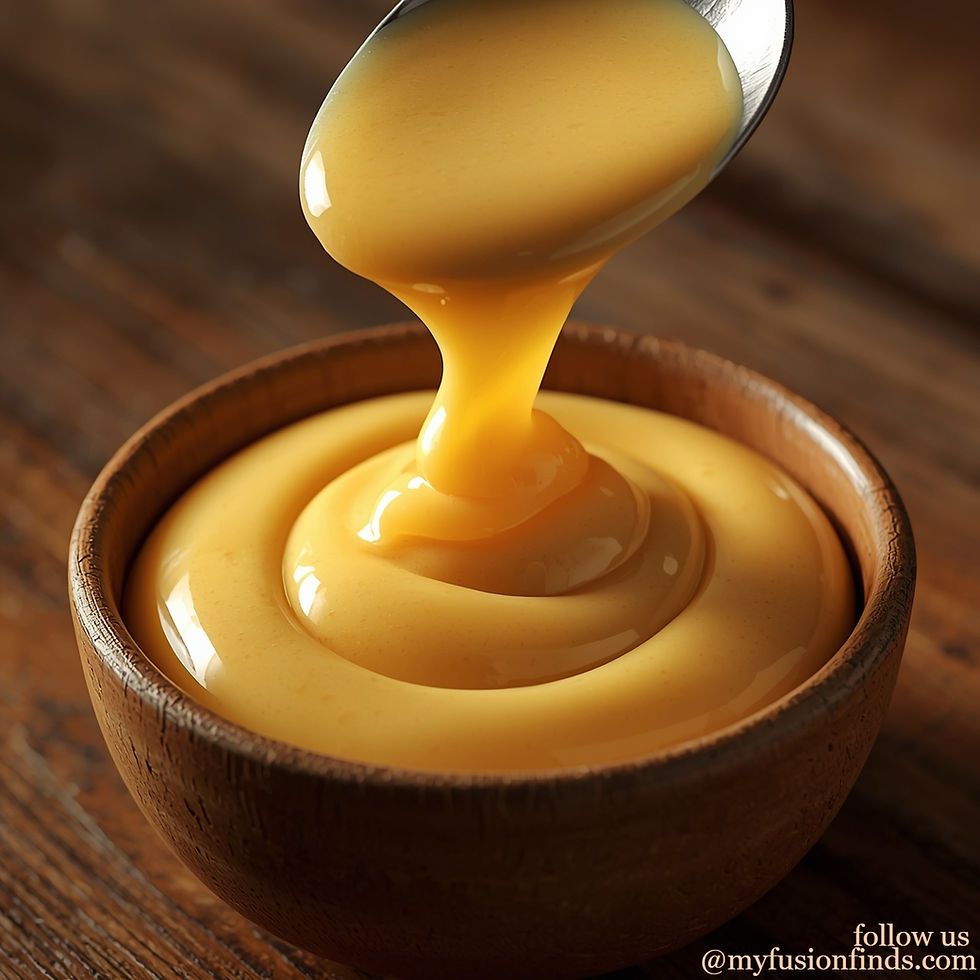
3. Cheese Sauce (Creamy & Smooth)
Ingredients:
2 tbsp butter
2 tbsp flour
2 cups milk
1 cup grated cheese
Salt & pepper
Instructions:
Begin by placing a medium-sized pan over low to medium heat. Add a generous amount of butter, typically around 2 to 4 tablespoons, depending on the quantity you wish to prepare. Allow the butter to melt slowly, ensuring it does not brown, as this will enhance the flavor of your sauce while maintaining a smooth texture.
Once the butter has completely melted and is bubbling gently, sprinkle in an equal amount of all-purpose flour. This combination of fat and flour is known as a roux. Stir the mixture continuously with a wooden spoon or a whisk for about 1 to 2 minutes. This cooking process helps to eliminate the raw taste of the flour and creates a smooth paste. It is essential to keep stirring to prevent the roux from sticking to the pan or burning, which could affect the final flavor of your dish.
With the roux prepared, it’s time to incorporate the milk. Gradually pour in about 2 cups of milk while continuously whisking the mixture. This gradual addition will help to prevent any lumps from forming, ensuring a silky smooth sauce. Continue to whisk vigorously until the milk is fully incorporated and the mixture is uniform. The heat should be kept at a medium level to allow the sauce to come together without boiling.
As you cook the mixture, you will notice it begins to thicken. Keep stirring and allow it to simmer gently for several minutes. This process is crucial as it not only thickens the sauce but also develops the flavors. You can adjust the thickness to your preference by cooking it longer for a thicker consistency or removing it from the heat sooner for a creamier sauce.
Once you achieve your desired thickness, it’s time to add cheese. Choose a cheese that melts well, such as cheddar, mozzarella, or a blend of your favorites. Stir in about 1 to 2 cups of shredded cheese, continuing to mix until the cheese is completely melted and incorporated into the sauce. The result should be a creamy, cheesy mixture that is rich and flavorful.
Finally, season your cheese sauce to taste. A pinch of salt, a dash of pepper, and perhaps a sprinkle of garlic powder or paprika can elevate the flavor profile significantly. Once seasoned, give it a final stir and remove the pan from the heat. Your cheese sauce is now ready to be served, warm and inviting.
Best with: fries, pasta, burgers, nachos, or as a delightful topping for baked potatoes.
4. Spicy Mayo (Fast Food Style)

Ingredients:
½ cup mayonnaise
1 tbsp hot sauce
1 tsp lemon juice
½ tsp paprika
Instructions:
Begin by gathering all of the necessary ingredients for your recipe and placing them into a large mixing bowl. Ensure that you have everything prepared, including measuring out spices, chopped vegetables, or any other components that will contribute to the overall flavor profile of the dish. This preparation step is crucial as it allows for a more efficient mixing process and ensures that all ingredients are incorporated evenly.
Once all ingredients are in the bowl, take a sturdy mixing tool, such as a whisk or a wooden spoon, and start to combine the ingredients thoroughly. Mix them until the texture is smooth and uniform, ensuring that there are no lumps or dry spots remaining. This step may take a few minutes, and you can use a spatula to scrape down the sides of the bowl, making sure every bit of ingredient is well-blended. The goal is to achieve a consistency that is creamy and cohesive, which will enhance the overall taste and mouthfeel of your final dish.
After mixing, it is essential to taste the mixture to assess the flavor, particularly the spice level. This is your opportunity to customize the dish to your personal preference. If you find that it lacks heat, consider adding a pinch more of your chosen spices, such as cayenne pepper, chili powder, or any hot sauce that complements the other flavors. Conversely, if it is too spicy for your liking, you can balance it out by adding a bit more of the base ingredients, such as yogurt, sour cream, or mayonnaise, depending on what you are making. Remember, tasting and adjusting is a critical part of the cooking process that allows you to create a dish that perfectly suits your palate.
Best served with: juicy burgers, flavorful wraps, crispy fried chicken, or as a delightful dip for fresh vegetables and chips. This versatile mixture can elevate any meal, providing a delicious complement to a variety of dishes.
5. Honey Mustard Sauce

Ingredients:
2 tbsp mustard
2 tbsp honey
1 tbsp mayo
1 tsp lemon juice
Instructions:
Begin by taking a small mixing bowl and adding a generous amount of mustard. You can choose between yellow mustard for a milder flavor or Dijon mustard for a more robust and tangy profile. Next, incorporate an equal amount of honey into the bowl. The honey will not only sweeten the mixture but will also provide a delightful contrast to the sharpness of the mustard, creating a perfect balance of flavors. Use a spoon to thoroughly mix the two ingredients together until they are well combined, ensuring that the honey is evenly distributed throughout the mustard.
Once the mustard and honey are blended, it's time to elevate the sauce by adding mayonnaise. The mayonnaise will contribute a rich creaminess that enhances the overall texture of the mixture. Depending on your preference, you can use regular mayonnaise or opt for a lighter version. Additionally, squeeze in some fresh lemon juice. The acidity from the lemon juice will brighten the flavors and add a refreshing zing to the sauce. Be sure to adjust the amount of lemon juice according to your taste—start with a teaspoon and add more if you desire a stronger citrus flavor.
With all the ingredients now in the bowl, take a whisk or a fork and stir the mixture vigorously. Continue to mix until the sauce reaches a smooth and creamy consistency, with no lumps remaining. This step is crucial, as a well-blended sauce will ensure that each bite of your dish is flavorful and enjoyable. Take a moment to taste the sauce and adjust the seasoning if necessary, adding a pinch of salt or pepper if you feel it could use a little extra flavor.
After achieving the desired consistency and flavor, cover the bowl with plastic wrap or transfer the sauce to an airtight container. Place it in the refrigerator to chill for at least 30 minutes. Chilling the sauce allows the flavors to meld together, resulting in a more harmonious taste experience when served. This step is particularly important if you plan to serve the sauce as a dip, as the cool temperature will enhance its appeal and make it more refreshing.
Best with: chicken tenders, salads, grilled vegetables, or as a sandwich spread for a delightful twist.
6. Tzatziki (Greek Yogurt Sauce)

Ingredients:
1 cup Greek yogurt
½ cucumber (grated, squeezed dry)
2 garlic cloves
1 tbsp olive oil
1 tbsp lemon juice
Salt
Instructions:
Squeeze water out of grated cucumber. This step is crucial because cucumbers have a high water content, which can dilute the flavors of your dish if not removed. To do this effectively, place the grated cucumber in a clean kitchen towel or cheesecloth. Gather the edges of the towel and twist it to form a pouch, then apply pressure to extract as much liquid as possible. The result should be a drier cucumber that will contribute a more concentrated flavor to your dish.
Mix yogurt, garlic, and cucumber. In a mixing bowl, take a generous portion of plain yogurt, preferably Greek yogurt for its thickness and creaminess, and add the squeezed cucumber. Next, finely mince or crush a few cloves of garlic, depending on your taste preference, and incorporate them into the mixture. This combination not only enhances the texture but also creates a refreshing base that is both creamy and tangy, with the garlic adding a robust flavor that complements the coolness of the cucumber and the richness of the yogurt.
Add olive oil, lemon, and salt. Drizzle in a good-quality extra virgin olive oil to enrich the mixture with a fruity flavor and smooth texture. Then, squeeze fresh lemon juice into the bowl to introduce a zesty brightness that balances the creaminess of the yogurt. Finally, season with a pinch of salt to enhance all the flavors. The salt will bring out the natural tastes of the ingredients, creating a harmonious blend that is essential for a well-rounded dish.
Stir well and chill. Using a spatula or a whisk, gently combine all the ingredients until they are thoroughly mixed, ensuring that the garlic, cucumber, and yogurt are evenly distributed throughout the mixture. Once combined, cover the bowl with plastic wrap or transfer the mixture into an airtight container and place it in the refrigerator. Chilling the dish for at least 30 minutes allows the flavors to meld together, resulting in a more cohesive and delicious outcome that is perfect for serving.
Best with: grilled meat, wraps, shawarma. This refreshing sauce or dip pairs exceptionally well with a variety of dishes. The coolness of the tzatziki-like preparation complements the smoky flavors of grilled meats, adds a delightful contrast to the spices in wraps, and enhances the savory elements of shawarma, making it a versatile accompaniment that elevates any meal.
7. Simple Curry Sauce

Ingredients:
1 onion
2 garlic cloves
1 tbsp oil
2 tbsp curry powder
1 cup coconut milk
Salt
Instructions:
Begin by heating a generous amount of oil in a large skillet or saucepan over medium heat. Once the oil is shimmering and hot, add finely chopped onions to the pan. Sauté the onions, stirring occasionally, until they turn a beautiful golden brown color, which usually takes about 5 to 7 minutes. This process not only enhances the flavor of the onions but also lays a solid foundation for the dish.
Next, introduce minced garlic into the pan along with a tablespoon or two of curry powder, depending on your taste preference. The garlic should be added after the onions have reached that perfect golden hue, as it requires less time to cook. Stir the mixture well to combine the ingredients, allowing the garlic to release its aromatic essence and the curry powder to bloom, which will elevate the overall flavor profile of the dish.
Cook the spices for an additional 1 to 2 minutes, stirring frequently to prevent them from burning. This step is crucial, as it allows the spices to toast slightly, which intensifies their flavors and creates a fragrant base for the dish. The combination of sautéed onions, garlic, and curry powder will fill your kitchen with a delightful aroma, signaling that you're on the right track.
Once the spices have cooked to perfection, carefully pour in a can of rich coconut milk. Use a wooden spoon or spatula to stir the mixture thoroughly, ensuring that the spices are evenly distributed throughout the coconut milk. The creamy texture of the coconut milk will blend beautifully with the sautéed ingredients, creating a luscious sauce that is both comforting and exotic.
Reduce the heat to low and allow the mixture to simmer gently for about 10 to 15 minutes. This simmering process is essential, as it allows the flavors to meld together harmoniously. As the sauce thickens, you may notice the rich, creamy consistency developing, which is perfect for coating your chosen proteins or vegetables.
After the simmering period, taste the sauce and adjust the seasoning as needed by adding salt to enhance the overall flavor. If the sauce appears too thick for your liking, you can easily adjust the consistency by adding a splash of water or additional coconut milk, stirring well to incorporate. This step ensures that the sauce is just right for your dish, whether you prefer it thick and hearty or lighter and more fluid.
Best with: chicken, rice, or steamed vegetables for a complete meal experience.
Pro Tips for Perfect Sauces
Always taste and adjust (salt, acid, sweetness)
Use low heat for creamy sauces
Add lemon or vinegar to brighten flavors
Let sauces rest → flavors improve



Comments