


Exploring the Diverse World of Indian Chutneys and Their Unique Flavors

World of Indian Chutneys
1. Roasted Eggplant Chutney (Smoky Baingan Chutney)
🧾 Servings
of 2 servings

🛒 Ingredients
1 large eggplant
2 cloves of garlic
1 green chili
1 tbsp mustard oil or olive oil
½ tsp cumin seeds
Salt
Fresh coriander
Step-by-Step Recipe
1. Roast the eggplant
Roast the whole eggplant either over an open flame or in a preheated oven until the skin is thoroughly charred and blistered. If using an oven, set it to a high temperature, around 450°F (232°C), and place the eggplant directly on the oven rack or on a baking sheet for about 30 to 40 minutes, turning occasionally to ensure even cooking. If roasting over an open flame, such as on a gas burner or grill, rotate the eggplant frequently to achieve an even char on all sides.
This roasting process not only cooks the eggplant but also infuses it with a rich, smoky flavor that enhances the overall taste of the dish. The charred skin adds a depth of flavor that is both complex and satisfying, making it a crucial step in preparing dishes like baba ghanoush or smoky eggplant dips.
2. Peel and mash
Once the eggplant has been roasted to perfection and has cooled enough to handle, carefully remove the charred skin. This can be done by simply peeling it away with your fingers or using a knife for any stubborn bits. Be sure to discard the skin, as it is not edible in this preparation.
After the skin has been removed, place the eggplant's soft, tender flesh in a mixing bowl. Use a fork or a potato masher to mash the flesh until it reaches a smooth, creamy consistency. The goal is to break down the texture while still leaving a bit of chunkiness for added interest. This mashed eggplant will serve as the base of your dish, providing a luscious, flavorful component.
3. Temper
In a separate pan, heat a generous amount of oil over medium heat. Once the oil is hot, add a teaspoon of cumin seeds and allow them to sizzle and pop for a few seconds. This process, known as tempering, releases the essential oils from the cumin, enhancing its flavor and aroma.
Next, add minced garlic and finely chopped chili to the hot oil. Sauté these ingredients for a few minutes until the garlic turns golden brown and fragrant, and the chili begins to release its heat into the oil. Be careful not to burn the garlic, as this can impart a bitter taste to the dish. The combination of spices will create a fragrant base that adds depth to the eggplant mixture.
4. Mix
Once the tempering is complete, carefully combine the spiced oil mixture with the mashed eggplant in the mixing bowl. Stir the ingredients together thoroughly, ensuring that the flavors are well integrated. The warmth of the oil will help further soften the eggplant and enhance the dish's overall texture.
To finish, season the mixture with salt to taste and add a handful of freshly chopped coriander leaves. The coriander not only adds a burst of color but also a fresh, herbal note that balances the smoky richness of the eggplant. Mix everything until the coriander is evenly distributed, and adjust the seasoning if necessary. This harmonious blend of flavors will create a delicious and satisfying dish that can be served as a dip, spread, or side.
2. Apple Chutney (Sweet & Spiced)
🧾 Servings
of 3 servings

🛒 Ingredients
2 apples (peeled, chopped)
2 tbsp sugar or jaggery
½ tsp cinnamon
½ tsp ginger
1 tbsp vinegar
Salt
Step-by-Step Recipe
1. Cook apples
Begin by selecting fresh, ripe apples that are suitable for cooking, such as Granny Smith, Honeycrisp, or Braeburn. Once you have your apples, wash them thoroughly under cool running water to remove any dirt or residues from the skin. After washing, peel the apples if you prefer a smoother texture in your final dish. Core the apples and cut them into even slices or chunks to ensure they cook uniformly.
In a medium-sized pan, add the prepared apple pieces along with a small amount of water—just enough to cover the bottom of the pan. This water will help to create steam, preventing the apples from sticking to the bottom and burning while they cook. Place the pan over medium heat and allow the apples to start cooking, stirring occasionally to ensure they are evenly heated and coated with the water.
2. Add spices
Once the apples have begun to soften, it is time to enhance their natural sweetness and flavor by adding spices. Start by sprinkling in a desired amount of granulated sugar, which will help to caramelize the apples as they cook. Next, add ground cinnamon, which will impart a warm, aromatic quality to the dish. For an extra layer of flavor, include a pinch of ground ginger, which adds a slight zing and complements the sweetness of the apples beautifully. Finally, don’t forget to add a small pinch of salt; this will balance the sweetness and enhance the overall flavor profile of the dish.
3. Simmer
After incorporating the spices, reduce the heat to low and allow the mixture to simmer gently. This slow cooking process is crucial as it allows the apples to break down gradually, becoming soft and tender while absorbing the flavors of the spices. Stir the mixture occasionally to prevent it from sticking to the pan and to ensure even cooking. Continue simmering until the apples have softened significantly and the mixture has thickened to your desired consistency, which usually takes about 15 to 20 minutes. You want the apples to be soft enough to mash easily with a fork but still retain some of their shape for texture.
4. Finish
To add a delightful tang that balances the sweetness of the cooked apples, finish the dish by drizzling in a splash of vinegar—apple cider vinegar works particularly well due to its fruity notes. Stir the vinegar into the apple mixture thoroughly, allowing it to combine with the existing flavors. This final touch not only enhances the overall flavor profile but also adds a hint of brightness to the dish, making it more complex and satisfying. Once combined, remove the pan from the heat and let it cool slightly before serving. The cooked apples can be enjoyed warm or chilled, and they make an excellent topping for desserts like ice cream, pancakes, or even as a filling for pastries.
3. Red Chili Coconut Chutney (Spicy South Indian)
🧾 Servings
of 2 servings

🛒 Ingredients
1 cup grated coconut
3 dried red chilies
1 tbsp roasted chana dal
Salt
Water
Step-by-Step Recipe
1. Soak chilies
To begin the process of preparing your dish, take a selection of dried chilies, which can vary in type based on your heat preference and flavor profile desired. Place the chilies in a bowl and cover them with warm water. Allow them to soak for approximately 10 minutes. This soaking process is crucial as it helps to rehydrate the chilies, softening their texture and making them easier to blend into a smooth paste later on. Additionally, soaking can help to mellow out some of the intense heat of the chilies, which is particularly beneficial if you are looking to achieve a balanced flavor in your final dish. After the soaking time is complete, drain the chilies and set them aside, ready for the next step in your culinary preparation.
2. Blend
Once your chilies are adequately soaked and softened, it’s time to move on to blending. Gather all the ingredients you plan to incorporate into your paste, which may include not only the soaked chilies but also other key components such as garlic, ginger, spices, and perhaps a splash of vinegar or oil to enhance the consistency and flavor. Place all these ingredients into a blender or food processor. Blend them until you achieve a smooth and homogeneous paste. The goal here is to ensure that all the flavors meld together beautifully, creating a rich and vibrant mixture that will serve as the foundation for your dish. Depending on your equipment, you may need to stop occasionally to scrape down the sides of the container to ensure everything is evenly blended. The resulting paste should be thick yet spreadable, with a bright color indicative of the chilies used.
3. Optional tempering
For an added layer of flavor, consider incorporating a tempering step, which is an optional but highly recommended technique in many cuisines. To do this, heat a small amount of oil in a pan over medium heat. Once the oil is hot, add a teaspoon of mustard seeds to the pan. As the seeds begin to pop and sizzle, this indicates that they are releasing their essential oils and flavor. Next, add a handful of fresh curry leaves to the oil. The leaves will crackle as they hit the hot oil, releasing their aromatic essence. This tempering not only enhances the flavor profile of your dish but also adds a delightful texture and visual appeal. After a few moments, carefully pour the blended chili paste into the pan, stirring it into the tempered oil mixture. This step infuses the paste with the fragrant notes of mustard and curry leaves, elevating the overall taste and making your dish even more enticing.
4. Lemon Chutney (Tangy & Intense)
🧾 Servings
of 2 servings

🛒 Ingredients
2 lemons (chopped, deseeded)
2 tbsp sugar
½ tsp turmeric
½ tsp chili powder
Salt
Step-by-Step Recipe
1. Prepare lemons
Chop finely, remove seeds
Begin by selecting fresh, ripe lemons that are firm and vibrant in color. Wash the lemons thoroughly under running water to remove any dirt or pesticides. Once cleaned, use a sharp knife to slice the lemons into thin rounds. After slicing, carefully remove any visible seeds to prevent bitterness in your final dish. If desired, you can also zest the lemons before chopping to add an extra layer of citrusy aroma and flavor. The zest contains essential oils that enhance the overall taste profile of your preparation.
2. Mix ingredients
Combine with sugar, spices, and salt
In a large mixing bowl, take the finely chopped lemons and add an appropriate amount of granulated sugar. The sugar will help to balance the tartness of the lemons, creating a harmonious blend of flavors. Next, introduce a selection of spices that complement the citrus, such as cinnamon, ginger, or even a hint of cardamom, depending on your personal taste preferences. Additionally, sprinkle in a pinch of salt to enhance the overall flavor and bring out the natural sweetness of the mixture. Stir all the ingredients together thoroughly, ensuring that the sugar dissolves and the spices are evenly distributed throughout the lemon pieces.
3. Rest
Let's sit for a few hours or overnight
After mixing the ingredients, it is essential to let the mixture rest. Cover the bowl with a clean cloth or plastic wrap and set it aside in a cool place or refrigerate it. Allowing the mixture to sit for a few hours or even overnight is crucial for flavor development. During this resting period, the sugar will draw out the juices from the lemons, creating a syrupy consistency while allowing the flavors to meld together beautifully. This process enhances the depth of the flavors, resulting in a more complex and aromatic final product that will elevate any dish or beverage it accompanies.
Flavors develop deeply
By allowing the mixture to rest, you are giving the ingredients the time they need to interact and infuse their unique characteristics into one another. The result is a vibrant, flavorful concoction that is perfect for use in a variety of recipes, from marinades and dressings to desserts and cocktails.
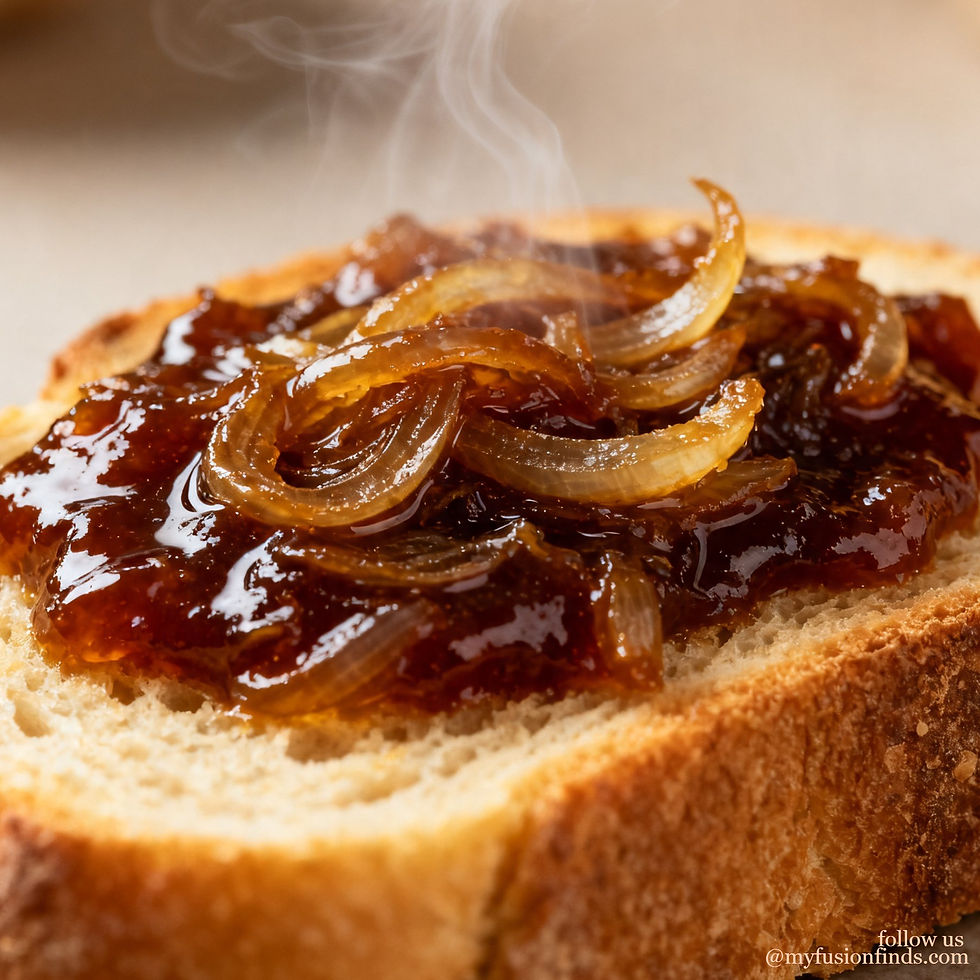
5.Onion Chutney (Savory & Deep Flavor)
🧾 Servings
of 2 servings
🛒 Ingredients
2 onions (sliced)
2 dried red chilies
1 tbsp oil
½ tsp mustard seeds
Salt
Step-by-Step Recipe
1. Cook onions
Begin by heating a generous amount of oil in a large skillet or frying pan over medium heat. The choice of oil can significantly affect the flavor, so consider using something like vegetable oil, olive oil, or even ghee for a richer taste. Once the oil is shimmering, carefully add the chopped onions to the pan.
As the onions hit the hot oil, they will begin to sizzle, releasing their natural sweetness. Stir the onions occasionally to ensure they cook evenly and do not stick to the bottom of the pan. Continue to cook them until they become soft and translucent, which typically takes about 5 to 7 minutes. Then, increase the heat slightly to allow the onions to start caramelizing. This process involves cooking them until they develop a deep golden color and a slightly sweet, rich flavor, which can take an additional 10 to 15 minutes. The key is to keep stirring to prevent burning and to promote even caramelization.
2. Add spices
Once the onions have reached the desired level of softness and caramelization, it's time to elevate the dish with spices. Carefully add freshly chopped green chilies, adjusting the quantity based on your heat preference, along with mustard seeds. The mustard seeds will begin to pop and release their aromatic oils, adding a wonderful depth of flavor to the mixture. Stir these ingredients together, allowing the spices to infuse into the onions for a minute or two. This step not only enhances the flavor profile but also adds a delightful crunch and a burst of heat that complements the sweetness of the onions.
3. Blend
After the onions and spices have melded together beautifully, remove the pan from the heat and allow the mixture to cool slightly. Once cooled, transfer the contents into a blender or food processor. Blend the mixture until it achieves a smooth and creamy consistency, ensuring that all ingredients are well incorporated. Depending on your desired texture, you may choose to add a splash of water or vinegar during blending to achieve the perfect chutney consistency. This smooth chutney can serve as a vibrant condiment, adding flavor and character to a variety of dishes, from grilled meats to roasted vegetables, or even as a spread on sandwiches.
6. Pineapple Chutney (Sweet, Tangy & Tropical)
🧾 Servings
of 3 servings

🛒 Ingredients
1 cup pineapple (chopped)
2 tbsp sugar
½ tsp chili flakes
1 tbsp vinegar
Salt
Step-by-Step Recipe
1. Cook pineapple
Add pineapple to the pan with a little water. Start by selecting ripe, fresh pineapple, as this will enhance the flavor of your dish significantly. Cut the pineapple into small, bite-sized pieces to ensure even cooking and maximum sweetness. In a medium-sized pan, combine the pineapple pieces with just enough water to cover the bottom of the pan. The water will help to prevent the pineapple from sticking and will create a bit of steam, allowing the natural sugars in the fruit to start caramelizing. Heat the pan over medium heat, stirring occasionally to ensure that the pineapple cooks evenly and absorbs the moisture.
2. Add seasoning
Add sugar, chili flakes, and salt. Once the pineapple has softened and released some of its juices, it’s time to enhance the flavor profile. Sprinkle a tablespoon of sugar over the cooked pineapple; this will balance the acidity of the fruit and amplify its sweetness. Next, add a pinch of chili flakes to introduce a subtle heat that complements the sweetness perfectly. Finally, season the mixture with a small amount of salt, which will help to bring out the flavors of both the pineapple and the added spices. Stir the mixture well to ensure that all the ingredients are evenly distributed throughout the pineapple pieces.
3. Simmer
Cook until thick. After adding the seasoning, reduce the heat to low and allow the mixture to simmer gently. This slow cooking process will help the flavors meld together beautifully. Keep an eye on the pineapple as it cooks, stirring occasionally to prevent any sticking or burning. You want to cook it until the mixture thickens, which usually takes about 10 to 15 minutes. The goal is to achieve a syrupy consistency where the juices have reduced and become more concentrated, coating the pineapple pieces and enhancing their natural sweetness.
4. Finish
Add vinegar for tang. Once the pineapple mixture has reached the desired thickness, it’s time to add the finishing touch. Drizzle in a splash of vinegar—apple cider vinegar works particularly well for this recipe—as it will introduce a delightful tanginess that contrasts beautifully with the sweetness of the pineapple. Stir the mixture one last time to incorporate the vinegar thoroughly. Allow it to cook for an additional minute or so to ensure that the vinegar flavor melds with the other ingredients. Once done, remove the pan from heat and let it cool slightly before serving, as this will allow the flavors to settle and intensify even further.
7. Carrot Chutney (Mild & Slightly Sweet)
🧾 Servings
of 2 servings

🛒 Ingredients
2 carrots (grated)
1 green chili
1 tbsp oil
½ tsp mustard seeds
Salt
Step-by-Step Recipe
1. Cook carrots
Begin by selecting fresh, vibrant carrots, ideally organic, as they tend to have a richer flavor and more nutrients. Rinse the carrots thoroughly under cold water to remove any dirt or impurities. Once cleaned, peel the carrots using a vegetable peeler to remove the outer skin, which can be tough and bitter. Cut the carrots into uniform pieces, either in rounds or sticks, to ensure even cooking.
In a large skillet or saucepan, heat a couple of tablespoons of oil over medium heat. Olive oil or butter can enhance the flavor profile, but you can also use vegetable oil for a neutral taste. Once the oil is shimmering, carefully add the prepared carrot pieces to the pan. Sauté the carrots, stirring occasionally, for about 10 to 15 minutes. The goal is to cook them until they become tender and soft, which you can test by piercing them with a fork. If you prefer a slight caramelization for added sweetness, allow them to cook a few minutes longer until they develop a golden-brown hue.
2. Add spices
Once the carrots are cooked to the desired tenderness, it’s time to infuse them with flavor. Begin by adding a pinch of salt, which enhances the natural sweetness of the carrots. Next, introduce chili powder or fresh chopped chili peppers to the mixture. The amount you add can vary based on your personal preference for heat; start with a small amount and gradually increase it to achieve your desired spice level. Stir the spices into the carrots thoroughly, allowing them to coat evenly and meld with the natural juices released from the carrots during cooking. This step not only adds flavor but also elevates the dish, making it more complex and satisfying.
3. Blend
After the carrots have absorbed the spices and are well-combined, it's time to blend the mixture. Transfer the sautéed carrots and spices into a blender or food processor. Depending on your preference, you can blend them into a completely smooth purée or leave some texture for a coarser result. If you prefer a smoother consistency, blend for a longer period, adding a splash of water or vegetable broth as needed to help achieve the desired texture. For a chunkier version, pulse the blender a few times until you reach your preferred consistency. This blending process not only creates a delightful texture but also allows the flavors to meld together beautifully, resulting in a delicious and versatile carrot dish that can be served as a side or used as a base for soups and sauces.



Comments